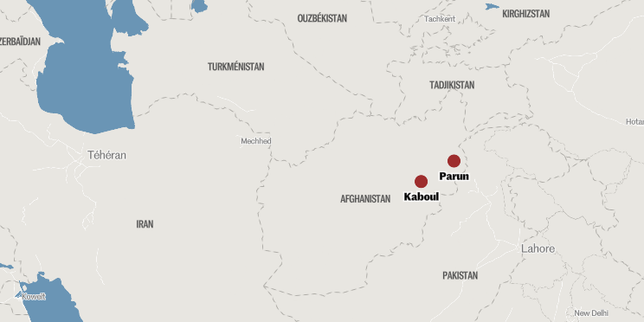
A sudden deluge in eastern Afghanistan has left at least 20 people dead, 80 injured, and more than 100 missing in Nuristan province. Floodwaters rushed through Parun, the provincial capital, wiping out entire market squares, municipal buildings, and steep hillside homes along the riverbank. Local residents are left digging through heavy mud and giant boulders with their bare hands. Even the city's mayor remains missing following the surge.
While heavy summer monsoon rains aren't entirely unusual for northeastern Afghanistan, the destructive power of these torrents keeps escalating. Emergency officials from the National Disaster Management Authority have dispatched search crews, but the mountainous terrain and ruined roads make getting heavy equipment into the valley almost impossible.
What Triggered the Nuristan Flood Disaster
The devastation in Parun wasn't just caused by sudden heavy rainfall. Years of widespread deforestation across Nuristan have stripped away the natural barrier that slows down water runoff. When cloudbursts hit the dry, bare mountain slopes, the earth can't absorb the volume. Water cascades straight into the valley floor, picking up soil, rocks, and debris along the way.
Homes in the region are traditionally built close to the riverbed out of necessity, given the rugged topography. When the river overflowed its banks, it tore through the center of town. Hotels, shops, and basic infrastructure were flattened within minutes. Ashiqullah Safi, who heads a local non-profit in Parun, reported that the flood virtually wiped out the municipality's core business area.
It's a stark reminder of how geography and environmental degradation compound every single storm.
Why Climate Shock Hits Afghanistan Harder Than Most
Afghanistan contributes almost nothing to global carbon emissions, yet it consistently ranks among the top ten most vulnerable countries to climate extremes. The weather patterns here have grown increasingly erratic over the past decade. Long stretches of severe drought bake the topsoil into a hard crust, followed by violent cloudbursts that the hardened earth cannot soak in.
The country faces structural hurdles that make responding to these crises brutal:
- Missing Early Warning Systems: Remote provinces like Nuristan lack modern radar or automated river gauges to alert residents before flash surges hit.
- Critical Infrastructure Deficits: Basic flood defenses, retaining walls, and drainage systems are almost non-existent in high-risk mountain villages.
- Zero Heavy Equipment: Local rescue workers and families are left clearing mud with shovels, wooden planks, and naked hands.
- Sanctions and Aid Cuts: International aid reductions over recent years have starved emergency response agencies of funding, medical supplies, and logistics.
When disaster strikes, local communities are essentially on their own for the first crucial 24 to 48 hours.
What Needs to Change Immediately
Sending short-term relief packages after a flood isn't enough anymore. Rebuilding Parun and preventing similar losses across the eastern provinces requires targeted long-term measures:
- Focus on Reforestation: Local environmental agencies must prioritize tree-planting initiatives across Nuristan's slopes to restore natural water absorption.
- Shift Building Zones: Local authorities need to enforce strict zoning rules to prevent residential and commercial construction directly alongside high-risk river corridors.
- Deploy Basic Warning Tools: Simple community-based alert systems, including emergency sirens and radio broadcasts, can give villagers vital minutes to reach higher ground.
- Unblock Humanitarian Climate Funds: International organizations must find ways to route climate resilience funding directly to local non-governmental groups on the ground, bypassing political roadblocks.
Monitoring official disaster management reports from local agencies like the Afghanistan National Disaster Management Authority (ANDMA) and verified humanitarian updates from international groups like the Red Cross provides real-time information on relief efforts and immediate supply needs in affected provinces.