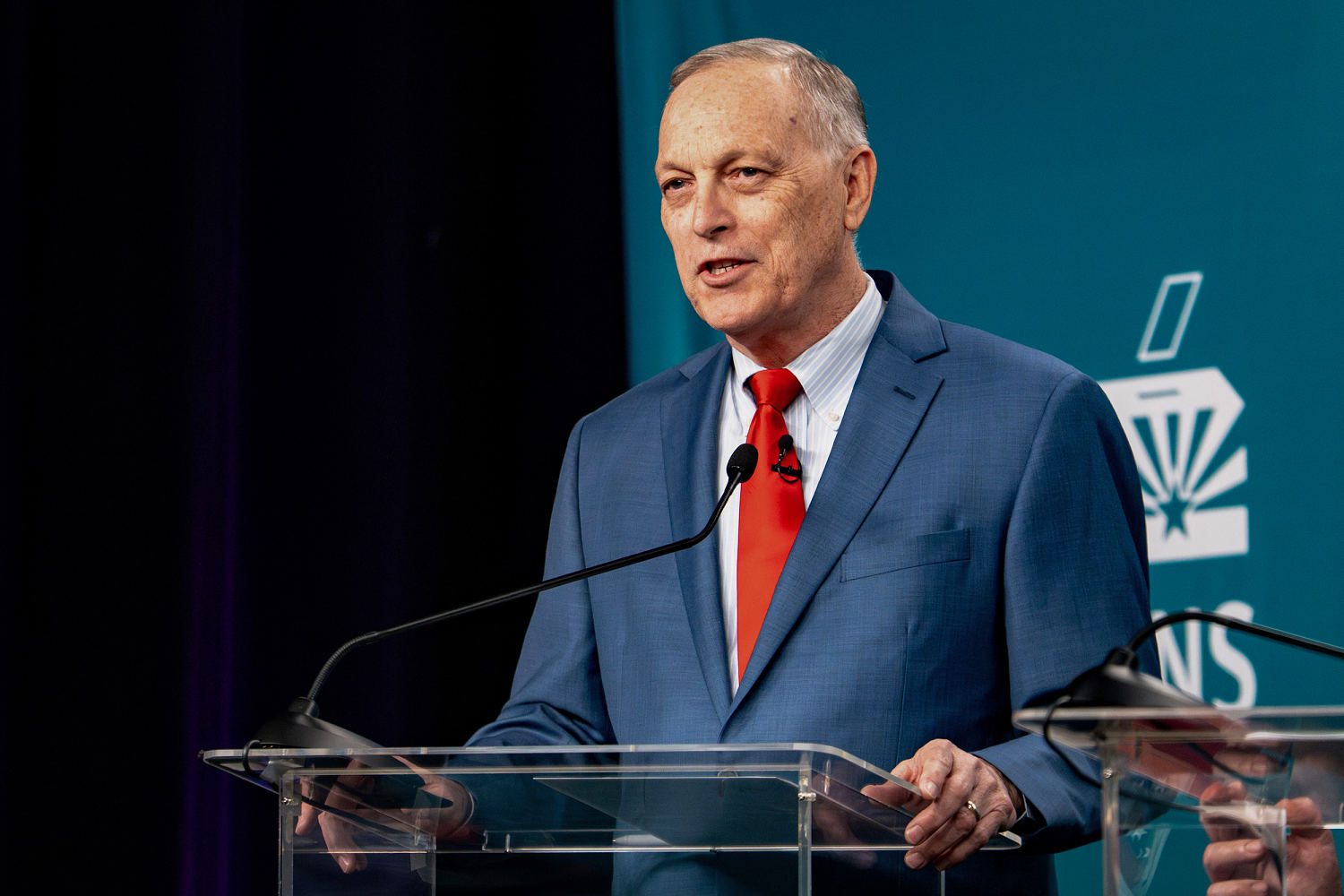
Representative Andy Biggs didn't just win the Arizona Republican gubernatorial primary on Tuesday night—he blew the doors off.
The Associated Press called the race almost immediately after polls closed at 8 p.m., showing Biggs with a commanding lead over fellow Congressman David Schweikert and political newcomers Ken Miceli and Scott Neely. Backed by President Donald Trump and local grassroots groups, Biggs now steps directly into a high-stakes fall showdown against incumbent Democratic Governor Katie Hobbs.
If you're watching national politics right now, this primary result isn't just local news. It's a massive test case for whether hard-right populism can win statewide in a state that has flipped back and forth between parties over the last four years.
What Happened on Election Night in Arizona
The primary outcome was never really in doubt, but the speed of the call caught plenty of observers off guard. Biggs entered election night with huge advantages in polling, fundraising, and high-profile conservative endorsements.
When the initial batch of mail-in ballots posted shortly after 8 p.m. local time, Biggs held a massive margin. Schweikert, an eight-term representative who gave up his Scottsdale-area House seat to jump into the primary, couldn't bridge the gap.
Here is how the main contenders lined up in the primary:
- Andy Biggs: Five-term congressman, former House Freedom Caucus chair, and long-time state legislature leader backed by Donald Trump and Turning Point USA action networks.
- David Schweikert: Longtime fiscal conservative congressman who argued that a more moderate GOP candidate was necessary to beat Hobbs in November.
- Ken Miceli and Scott Neely: Conservative businessmen who ran grassroots campaigns but failed to secure broad financial or organizational support.
On the Democratic side, Katie Hobbs ran completely unopposed. She sat back, accumulated cash, and watched the Republicans spend months battling for position.
The Strategy That Delivered Biggs a Landslide
Biggs played this primary with remarkable tactical discipline. Instead of tearing into Schweikert on the debate stage or running scorched-earth attack ads against fellow Republicans, he kept his eye firmly on the general election.
During their June debate, Biggs didn't waste time trading insults with Schweikert. He spent his allotted speaking time pointing out Democratic spending decisions and even name-dropping Democrats he's worked with over the years in Washington, like Hakeem Jeffries and former Senator Kyrsten Sinema.
That subtle shift toward a broader appeal showed how confident his team felt about cruising through the primary. They knew the Republican base belonged to Trump-aligned candidates, so they started laying the groundwork for November early.
Schweikert made the pitch that he was the more electable Republican for a general electorate. He pointed out that hard-right candidates have struggled in statewide Arizona races over the last few cycles, pointing to the 2022 governor's race where Hobbs narrowly edged out Kari Lake by less than 17,000 votes. But Republican primary voters clearly weren't buying the electability argument this time around. They wanted a proven conservative fighter.
Why This General Election Matchup Matters Nationally
Arizona is the ultimate battleground.
In 2020, Joe Biden won the state by a razor-thin margin. In 2022, Democrats won the governor's office and a U.S. Senate seat. Then, in 2024, Donald Trump reclaimed the state handily with 52.2% of the vote. Arizona voters don't stay in one political box for long, which makes this race an absolute toss-up heading into November.
The contrast between Biggs and Hobbs could not be sharper.
Biggs brings a classic conservative platform built on tax cuts, deregulation, strict border enforcement, and expanded school choice. During his campaign, he promised to sign a "Florida-style" election reform bill passed by the GOP-led state legislature. He also pledged to eliminate state tax breaks for giant tech data centers, arguing those incentives strain the state's power grid without offering enough return to local taxpayers.
Hobbs, on the other hand, is building her reelection case on economic stability, public education funding, and vetoing conservative legislation passed by the Republican-led legislature. As a former social worker and secretary of state, she positions herself as a steady manager keeping state government functional amid rapid growth across the Phoenix metro area.
The Big Issues That Will Decide November
Primary elections are about turning out the hard-core base. General elections are about convincing independent and suburban voters who don't care about party loyalty.
When Arizona voters head back to the polls in November, a few core issues will drive their choices at the ballot box.
The Economy and Daily Costs
National headlines often focus on political drama, but local voters care about their bills. Gasoline prices in Arizona have risen over the past year, and housing costs in Maricopa County remain a major point of frustration for young families and retirees alike.
Republicans will tie Hobbs to national economic headwinds, arguing that state-level spending and regulations haven't done enough to lower everyday expenses. Democrats will argue that Hobbs has provided stable leadership that attracted high-paying manufacturing jobs to the state while keeping state finances balanced.
Education and School Vouchers
Arizona has one of the most expansive universal school voucher programs in the nation, allowing parents to use state funding for private or alternative schooling options.
Biggs strongly supports expanding these voucher programs, framing it as parent empowerment. Hobbs has repeatedly criticized the program's impact on the state budget, arguing it diverts critical funding away from public school districts. Expect this policy fight to play out heavily on local television screens over the next few months.
Suburban Voters in Maricopa County
Maricopa County holds roughly 60% of Arizona's total population. Whichever candidate wins the suburbs surrounding Phoenix almost always wins the state.
Schweikert's supporters warned during the primary that Biggs' conservative voting record in Congress might alienate moderate voters in places like Scottsdale, Tempe, and Gilbert. Biggs' team insists that high voter frustration with inflation and border security will unite those suburban voters behind his campaign.
Key Takeaways for Political Observers
- Trump's influence in GOP primaries remains dominant. The primary results proved once again that an endorsement from Donald Trump carries immense weight with Republican primary voters in Arizona.
- Republicans chose conviction over cautious electability. Instead of picking a moderate candidate tailored for suburban swing voters, primary voters chose a uncompromising conservative with a long political record.
- The general election will be fought on state economic conditions. While national arguments will play a role, local housing costs, gas prices, and state infrastructure will determine how independent voters split their tickets.
Action Steps for Following the 2026 Arizona Campaign
If you want to stay ahead of how this pivotal race unfolds, here is what you should do next:
- Track key campaign finance reports. Watch the August and September filing deadlines with the Arizona Secretary of State to see how quickly outside political action committees begin dumping money into advertising.
- Monitor voter registration trends in Maricopa County. Check the monthly voter registration data published by county officials. Independent voter registration trends will tell you which way the suburban electorate is drifting.
- Follow local debate announcements. Look out for schedule announcements from the Arizona Citizens Clean Elections Commission to see if and when Hobbs and Biggs agree to debate live on television.


