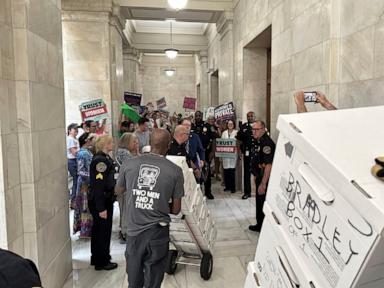
Arkansas just gave a massive reality check to state politicians trying to block citizens from making their own laws.
On June 30, 2026, U.S. District Judge Timothy Brooks stepped in and threw out a heavy-handed stack of state restrictions designed to choke out citizen-led ballot initiatives. The decision hands a clear, undeniable victory to groups like the League of Women Voters of Arkansas and Protect AR Rights. These groups sued after the GOP-controlled state government spent the last couple of years building an absolute maze of bureaucratic roadblocks.
If you've been paying attention to local politics, you know this isn't just an Arkansas problem. It's a nationwide playbook. When voters try to pass laws that state legislatures hate, politicians don't try to win the debate anymore. They just try to break the system.
Judge Brooks wasn't having it. He made it clear that the state cannot use technicalities and red tape to crush your First Amendment rights.
The Ridiculous Rules Struck Down by the Court
Let's look at what Arkansas actually tried to pull. After election officials used a slick legal loophole to completely reject a high-profile citizen initiative to legalize abortion in 2024, the state legislature doubled down. In 2025, they passed a series of laws that made gathering signatures feel more like a high-security interrogation than local organizing.
Judge Brooks saw right through it. He struck down several key pieces of the state's restrictive package:
- The Photo ID Trap: Canvassers were ordered to demand a photo ID from every single person before letting them sign a petition. Judge Brooks pointed out the obvious flaw here: the Secretary of State's office already checks every signature against voter registration rolls. Forcing a citizen to flash an ID just to engage in core political speech isn't about security. It's about intimidation.
- The Doxxing Mandate: The state demanded that petition sponsors hand over a public list of every paid canvasser's name and home address. Because Arkansas doesn't exempt these lists from the Freedom of Information Act, an opposing group in 2024 took that exact data and blasted the private home addresses of signature gatherers online. Brooks called this what it is: a "21st Century heckler's veto" aided and abetted by the state.
- Forced Speech Codes: Lawmakers also tried to force canvassers to recite criminal fraud warnings to potential signers. The judge noted that if the state wants to stop fraud, it should prosecute actual criminals under existing laws rather than forcing everyday volunteers to act like police officers.
Imagine trying to support a cause you care about at a local summer festival, only to be told you have to hand over your driver's license and listen to a state-mandated warning script first. It's designed to make people walk away.
Why the Fight Over Ballot Initiatives is Exploding
Politicians don't like being bypassed. Over the last decade, citizens across the country have used ballot initiatives to pass everything from minimum wage hikes to marijuana legalization and reproductive rights—often in deep-red states where the legislature would never dream of bringing those issues to a vote.
Arkansas Secretary of State Cole Jester defended the restrictions, claiming they are nothing more than "common sense safeguards." His office already announced plans to appeal the ruling, promising to fight for voter ID rules at every level.
But there's a big difference between securing an election and suppressing a petition drive. When you vote, you are making a final decision. When you sign a petition, you are simply saying, "Hey, let's put this on the ballot and let everyone debate it."
By treating a simple signature like a cast ballot, Arkansas politicians tried to strangle the debate before it could even start.
What Happens Next on the Ground
This legal victory comes at a critical moment. The deadline to submit signatures for the November 2026 ballot is July 3—just days away. While this ruling clears the air and removes some of the most immediate, chilling hurdles for organizers, the war over direct democracy in Arkansas is far from over.
Here is the immediate roadmap for what comes next:
- Prep for the Upcoming Trial: Judge Brooks didn't rule on everything. He sent three massive disputes to a full trial scheduled for July 28, 2026, in Fayetteville. The court will dig deep into whether the state can ban paying canvassers by the signature, whether signature-gatherers must be permanent state residents, and whether the state can force people to read long ballot titles before signing.
- Keep an Eye on the Appeal: Keep tabs on the Eighth Circuit Court of Appeals. The state is going to fight to get these restrictions reinstated, meaning the rules for future petition drives remain on thin ice.
- Support Direct Democracy Protections: If you want to stop this cyclical game of whack-a-mole, look into structural changes. Organizations are actively working on constitutional amendments—like the proposed Arkansas Ballot Measure Rights Amendment—designed to permanently enshrine your right to petition without legislative interference.
Politicians will always try to move the goalposts when they lose the game. The only way to stop them is to keep showing up, keeping your signatures valid, and refusing to let them overcomplicate your constitutional rights.