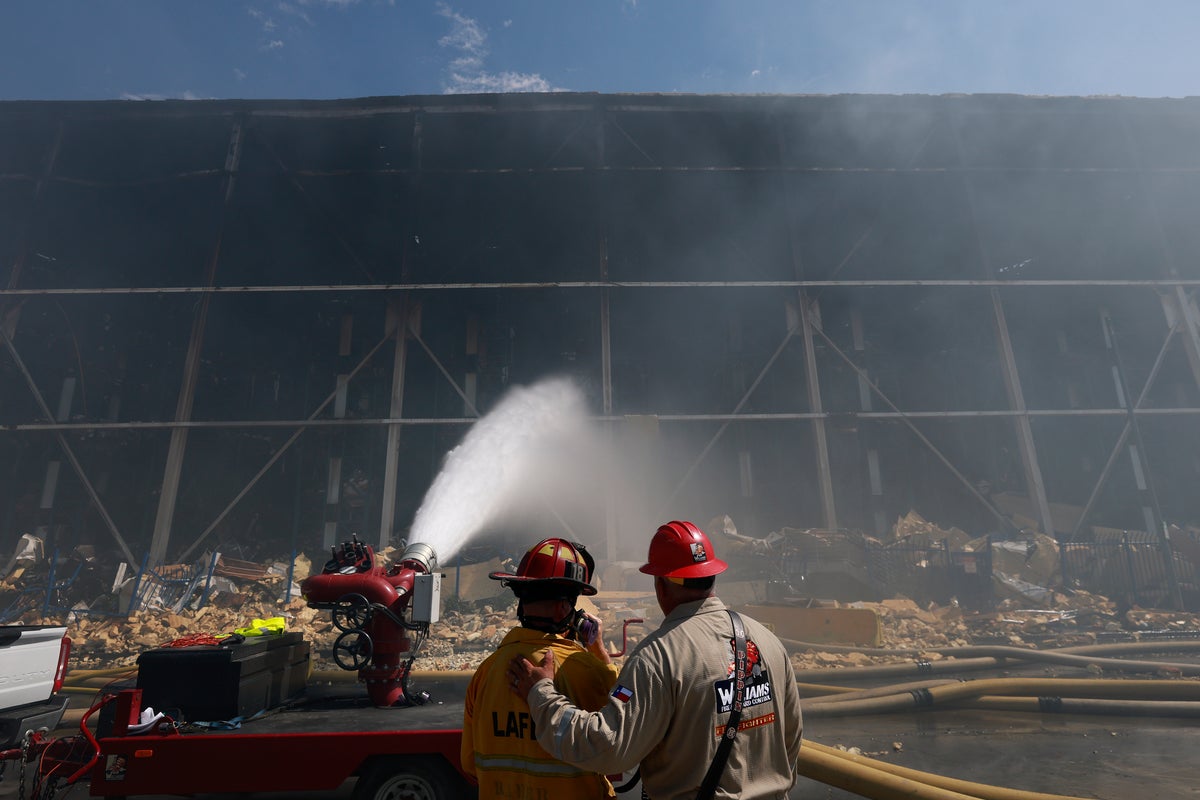
You smelled it before you saw it. If you live anywhere in the Los Angeles basin, your lungs likely spent the last week burning. That thick, acrid haze hanging over the skyline wasn't another brush fire in the hills. It was a massive, slow-burning disaster at a refrigerated warehouse in Boyle Heights.
The Lineage cold storage warehouse fire started on June 17, 2026, reportedly sparked by rooftop solar panels. It quickly turned into a toxic, smoldering nightmare that local officials have struggled to contain. What makes this disaster terrifying isn't just the sheer volume of smoke. It's the toxicity. Air quality experts are pointing out a harsh truth. The pollution pumping out of this single industrial site has exposed residents to a chemical soup far more dangerous than the brutal wildfires that hit the city last year.
If you thought wildfire smoke was bad, you don't know what happens when a modern industrial freezer burns down.
The Toxic Reality of Industrial Smoke
When a forest burns, you breathe in wood smoke, ash, and organic particulate matter. It's bad for you, no doubt. But when a massive commercial cold storage facility goes up in flames, you breathe in a concentrated cocktail of synthetic chemicals.
Environmental scientists at UCLA, including professor Yifang Zhu, warn that this fire is a case of double jeopardy. The air isn't just thick with particulate matter (PM 2.5); the actual composition of those particles is loaded with toxic heavy metals and volatile organic compounds.
Think about what is packed inside a massive commercial refrigeration building:
- Thick polyurethane insulation foam: This is what keeps the facility cold. When it burns, it releases cyanide gases and highly corrosive compounds.
- Rooftop solar panel grids: These burn with intense heat, melting heavy metals and electronics directly into the smoke plume.
- Industrial refrigerants and chemical coolants: These compounds break down under extreme heat into specialized toxins that bypass your body's natural defenses.
- Tons of rotting commercial food products: Smoldering meat and plastics create dense, oily smoke that clings to the air.
Standard air quality index (AQI) apps don't measure chemical toxicity. Your phone might say the air is moderately clean, but your burning throat and pounding headache tell a completely different story. The AQI measures the concentration of dust and smoke particles, not the specific poisons attached to them. This creates a dangerous false sense of security for millions of people across Southern California.
How the LA Basin Trapped the Pollution
The geography of Los Angeles makes industrial disasters a regional health crisis. Onshore winds naturally push air from the coast inland toward the mountains. Normally, a smoke plume disperses over time.
With the Boyle Heights fire, the smoke didn't just vanish. It drifted straight into the San Gabriel Valley and trapped itself against the foothills. Residents as far as Rancho Cucamonga and Downey—nearly 60 miles away from the actual warehouse—reported a thick, chemical haze that smelled like burning dust and steel wool.
Because the fire has been smoldering deep inside the insulated freezer walls, firefighters can't easily reach the core of the blaze. They've been forced to pour water from the outside while the interior cooks. This slow, low-oxygen burn is the worst-case scenario for air quality. It produces a heavy, cool smoke that stays close to the ground instead of rising high into the atmosphere.
Corporate Negligence and the Eastside Burden
This isn't an isolated accident. The company behind the facility, Lineage Logistics, is a multi-billion-dollar global cold-storage giant. This isn't even their first catastrophic fire. A few years ago, another one of their massive warehouses in Washington state caught fire and smoldered for months because of the exact same structural design challenges.
The fact that this happened in Boyle Heights highlights a painful, ongoing trend. Working-class, predominantly Latino communities in East LA consistently bear the brunt of industrial pollution. While city officials initially downplayed the danger, telling residents the smoke wasn't immediately hazardous, local ERs saw a spike in people suffering from acute respiratory distress, severe headaches, and nausea.
When industrial giants build massive chemical and storage hubs next to dense residential zones, the neighborhood pays the price in real-time health degradation.
What You Need to Do Right Now to Protect Your Lungs
Don't wait for a city alert or a push notification telling you it's safe to go outside. Take control of your home's air quality immediately.
- Upgrade your home filters: Standard cheap air filters don't stop industrial smoke. Buy filters rated MERV 13 or higher for your central HVAC system. Run the fan continuously, not just when the AC kicks on.
- Deploy HEPA purifiers: Place a dedicated HEPA air purifier in the rooms where you spend the most time, especially your bedroom.
- Seal your living space: Check your windows and doors. If you can smell the fire inside, use painter's tape or weather stripping to seal the gaps around your doors and windows.
- Ditch the surgical masks: If you must go outside, standard surgical masks or cheap cloth coverings are completely useless against PM 2.5 and chemical smoke. The air just pulls right through the sides. Use a properly fitted N95, P100, or KN95 mask that forms a tight seal around your face.
- Track alternative data: Don't just rely on default weather apps. Use crowdsourced sensor networks like PurpleAir or the Paku app to see granular, real-time pollution data in your specific neighborhood.
Stop exercising outdoors when the haze is visible. Your body inhales significantly more air during a workout, pulling those toxic micro-particles deeper into your cardiovascular system where they can cause long-term inflammatory damage. Keep your windows shut, keep your filters running, and protect your health while this industrial mess gets cleaned up.