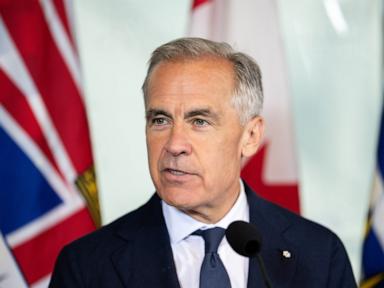
Canada just made a massive geopolitical move that will fundamentally alter how global oil moves. Prime Minister Mark Carney and Alberta Premier Danielle Smith stood side-by-side to unveil a project that sounds like a rerun but is actually a brand-new trillion-dollar play. The federal government is officially advancing a massive new Alberta pipeline to the Pacific Coast to expand oil exports beyond the US, aiming to move an extra one million barrels of crude every single day.
If you think this is just another standard infrastructure project, you're missing the real story. This is a high-stakes rescue mission for the Canadian economy and a delicate political truce rolled into one.
For decades, Canada has been trapped in a bad relationship with its biggest customer. The United States buys the vast majority of Canadian crude, which means American refineries dictate the price. By pushing this new line directly through southern British Columbia along the existing Trans Mountain corridor, Ottawa wants to permanently break that American monopoly and target the energy-hungry economies of Asia.
Breaking the American Oil Monopoly
Canada holds some of the largest proven oil reserves on Earth, mostly locked away in the northern oil sands of Alberta. Yet, the country has historically sold its product at a massive discount.
Why? Because when you only have one major buyer, they hold all the cards.
The existing Trans Mountain expansion, which opened in 2024, proved that the Asian market is hungry for what Canada is selling. Since that line went live, roughly two-thirds to three-quarters of the crude leaving Canada's west coast has bypassed the US entirely, heading straight to refineries in Asia. This new project isn't an experiment. It's a proven strategy scaled up to maximum capacity.
Premier Danielle Smith wants to double Alberta's total production to eight million barrels per day over the next 15 years. You can't do that without a massive straw to draw the oil out of the province. This new line will run from Bruderheim, just northeast of Edmonton, all the way to the southern British Columbia coast.
The Secret Compromise in British Columbia
Building pipelines in Canada is usually a political nightmare. The ghost of the canceled Northern Gateway project still haunts Ottawa, where fierce opposition from environmental groups and First Nations killed a northern route through the Great Bear Rainforest years ago.
This time, the government is playing a different game.
To get British Columbia Premier David Eby on board, Mark Carney had to make a strict promise. The federal government will completely preserve the northern tanker ban. No crude tankers will be allowed near the pristine northern coast of BC. Instead, all the new traffic will be funneled through the south, utilizing a corridor that already features heavy industrial activity.
Carney also promised significant financial compensation to British Columbia to cover potential environmental risks. It's a classic political trade-off. BC gets financial guarantees and coastal protection in the north, while Alberta gets its economic lifeline.
Why Alberta Threatens to Walk Away
Don't let the polite smiles at the press conference fool you. This deal was forged under intense political pressure.
Alberta is scheduled to hold a public vote this fall to decide whether to push forward with a referendum on leaving Canada entirely. Separatist sentiment in the province has simmered for years, driven by the feeling that the federal government has intentionally choked out its most valuable industry. Premier Smith has been incredibly vocal about how previous federal policies sabotaged the local economy.
By designating this pipeline as a project of national interest, Mark Carney is trying to defuse a constitutional bomb. He's showing Alberta that staying in the federation pays off.
The economic carrot here is enormous. Under the fresh agreements tied to this rollout, the federal government adjusted its carbon pricing approach. The headline industrial carbon tax won't skyrocket as previously planned, saving energy companies an estimated $250 billion between now and 2050. That single change makes the entire pipeline financially viable for the private sector.
The Million Barrel Logistics Gamble
The scale of this infrastructure is hard to comprehend. Moving one million barrels per day requires massive corporate backing. The government isn't going it alone. They have secured partnerships with the federally owned Trans Mountain Corporation and Calgary-based Pembina Pipeline Corporation to design and construct the line.
Indigenous co-ownership is also baked into the foundation. The province has already engaged with more than 100 Indigenous communities across Alberta and British Columbia. Giving local communities an actual equity stake in the project changes the dynamic completely, turning former opponents into long-term financial partners.
What Happens Next for Global Energy Markets
The timeline for this project is tight, and the milestones will come quickly. If you want to track the progress or understand how it impacts energy markets, watch these specific dates.
- October 1, 2026: The pipeline is expected to be formally listed as a project of national interest by the Major Projects Office, wiping out years of potential regulatory red tape.
- Late 2026: The final split of private sector equity between Pembina Pipeline and the government will be solidified.
- September 1, 2027: Construction is scheduled to officially begin, provided the final rounds of Indigenous consultations finish smoothly.
Keep a close eye on Asian refinery demand over the next twelve months. As China and India look for stable, democratic alternatives to Middle Eastern and Russian oil, Canada is positioning itself to be the ultimate reliable supplier. The race to build the infrastructure is officially on, and the global energy balance is about to shift west.