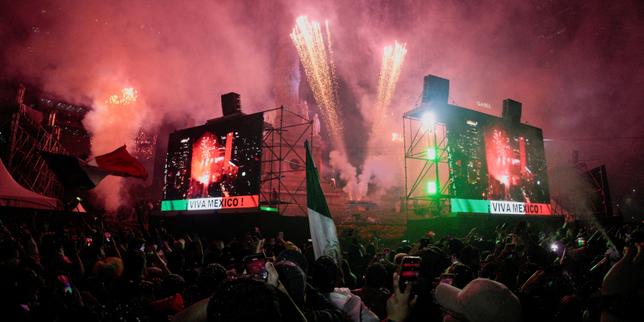
Thousands of screaming fans dressed in blue, red, and white didn't pack the streets of Praia because their team won the World Cup. They did it because their team redefined what is possible in modern football.
When the Blue Sharks touched down at Nelson Mandela Praia International Airport on July 5, 2026, the scene looked less like a homecoming for a team eliminated in the Round of 32 and more like a coronation. The arrival perfectly coincided with Cape Verde’s 51st Independence Day. It created an atmosphere of pure, unfiltered national pride that completely overshadowed the tournament's traditional heavyweights. Airport staff lined the tarmac, swapping formal duties for salutes and deep bows as the players stepped off the plane. If you enjoyed this article, you should look at: this related article.
If you think international football is purely a numbers game driven by massive populations and endless cash, Cape Verde just proved you completely wrong.
The Numbers That Defied Global Football Logic
Football experts love to talk about infrastructure, talent pools, and market size. Let's throw all of that out the window for a second. For another look on this story, check out the recent coverage from CBS Sports.
Cape Verde has a population of roughly 530,000 people. To put that into perspective, the entire country has fewer residents than a single neighborhood in Buenos Aires, Madrid, or Mumbai. Before this tournament kicked off, the Blue Sharks sat at 67th in the FIFA world rankings. They weren't supposed to survive their group. They certainly weren't supposed to become the smallest nation in history to reach the World Cup knockout rounds.
Yet, they did exactly that.
The group stage wasn't a fluke. Head coach Bubista set up a defensive structure that completely neutralized world-class attacking lines. A scoreless draw against European champions Spain set the tone. They followed it up with a gritty - draw against two-time world champions Uruguay, before sealing their historic knockout ticket with a tactical - stalemate against Saudi Arabia.
They didn't advance through lucky deflections or refereeing errors. They did it with discipline, relentless work rates, and a collective belief that completely leveled the playing field.
The Night Miami Stood Still
Most football fans expected the Round of 32 match in Miami to be a comfortable stroll for Lionel Messi and Argentina. Instead, they got an instant World Cup classic that will be talked about for decades.
Messi opened the scoring in the 28th minute with a piece of signature magic, leaving 40-year-old goalkeeper Vozinha momentarily beaten. For most underdog sides, conceding early to the defending champions signals the beginning of the end. The floodgates usually open. Not for Cape Verde.
The Blue Sharks stuck to Bubista’s blueprint, absorbing pressure and waiting for the right moment to strike. It arrived in the second half. Midfielder Deroy Duarte, who plays his club football in Bulgaria and had never scored a single goal in his previous 36 international appearances, found the back of the net to equalize.
Suddenly, the tens of thousands of Argentina fans in Miami grew dead silent.
Vozinha turned into an absolute brick wall, pushing back wave after wave of Argentinian attacks to force the game into extra time. When Lisandro Martínez put Argentina up 3-2 early in the extra period, it felt like the fairytale had reached its conclusion. But Cape Verde refused to lie down. Sidny Lopes Cabral scored one of the most stunning goals of the entire tournament, blasting a ferocious strike across the face of goal right into the upper far corner.
An agonizing own goal by Diney eventually gave Argentina a narrow 3-2 victory, but the moral victory belonged entirely to the West African islanders.
How to Build a Giant Killer From Scratch
Cape Verde’s success provides a definitive blueprint for small nations looking to make their mark on the global stage. You don't need forty million citizens to compete. You need a hyper-specific strategy executed with absolute perfection.
Trust in Veteran Leadership
While modern football is obsessed with teenage prodigies, Cape Verde leaned heavily on experience. Goalkeeper Vozinha, playing in the Portuguese second division and earning a modest salary, became a viral sensation because of his positioning and composure. Veteran presence prevents panic when playing under the bright lights of a stadium packed with opposing fans.
Aggressive Tactical Flexibility
Bubista didn't try to out-possess teams like Spain or Argentina. He utilized a highly disciplined system that compressed the space between the midfield and defensive lines. By forcing opponents out wide and clogging the central channels, Cape Verde neutralized individual creative stars.
Harnessing the Diaspora
A massive part of Cape Verde's football development relies on identifying and integrating talent from diaspora communities across Europe, particularly in Portugal and the Netherlands. Blending European tactical education with the fierce pride of representing the home islands creates an incredibly unique squad chemistry.
What This Campaign Means for the Future of African Football
The expanding World Cup format faced heavy criticism from purists who claimed it would dilute the quality of the tournament. Cape Verde just completely demolished that argument.
Their performances proved that expanding global tournaments gives rise to incredible stories that enrich the sport. The gap between the traditional elite and the rest of the world is shrinking rapidly. When a squad comprised of players from the Bulgarian league, the Portuguese second division, and minor European clubs can push Lionel Messi’s Argentina to the absolute brink, the old hierarchy is officially dead.
As coach Bubista noted to reporters upon landing in Praia, the qualification and subsequent knockout run weren't down to luck. It was the result of years of structural grinding, resilience, and tactical maturity.
Your Next Steps to Follow the Blue Sharks Blueprint
If you are managing a sports program, building a grassroots club, or leading an underdog team in any competitive environment, you can apply Cape Verde's exact philosophy right now.
- Audit your core assets immediately. Don't focus on what you lack in resources or funding. Identify your most resilient pieces and build your strategy around them.
- Master a singular defensive or operational baseline. Before trying to play expansive, flashy styles, ensure your team can choke out an opponent's space and opportunities.
- Stop respecting the jersey. The biggest mistake Cape Verde could have made was showing too much deference to the badges of Spain or Argentina. Play the game, not the history book.
The old world order in international football is officially on notice. Cape Verde didn't bring home a trophy, but they brought home something much larger: a timeless template for how the small can terrify the mighty.