A devastating double-strike earthquake just completely flattened parts of northwestern and central Venezuela, leaving a trail of wreckage that the cash-strapped nation simply cannot handle alone. The numbers coming out of the disaster zone are horrifying. More than 1,450 people are dead. Over 3,150 are injured. Worse yet, tens of thousands of people are missing in the rubble as the critical 72-hour golden window for rescue slams shut.
When a crisis of this magnitude hits a country already isolated by heavy Western sanctions, geopolitical alliances dictate who steps up. This morning, Beijing officially made its move.
Chinese Foreign Ministry spokesperson Guo Jiakun announced that Beijing is dispatching an extra 100 million yuan ($14.7 million) in emergency material aid to Caracas. This isn't their first check either; it comes right on top of previous cash assistance. But while a multi-million-dollar lifeline sounds like pure humanitarian goodwill, anyone tracking Beijing's footprint in Latin America knows there's a lot more happening beneath the surface. This is crisis diplomacy in action, and it shows exactly how deep the China-Venezuela bond runs when the ground literally splits open.
The Brutal Reality on the Ground
To understand why this aid matters so much, you have to look at the sheer scale of the destruction. On June 24, 2026, two massive strike-slip earthquakes hit back-to-back near San Felipe, Yaracuy. The first clocked in at a 7.2 magnitude. Just 39 seconds later, a devastating 7.5 mainshock hit, shaking the country for what felt like two endless minutes.
Caracas and the coastal region of La Guaira took a violent beating. High-rises buckled, hillsides collapsed, and basic infrastructure shattered. The United Nations estimates the disaster caused anywhere from $4.7 billion to $8.7 billion in damages. For context, that's roughly 4% to 8% of Venezuela's entire GDP wiped out in less than a minute.
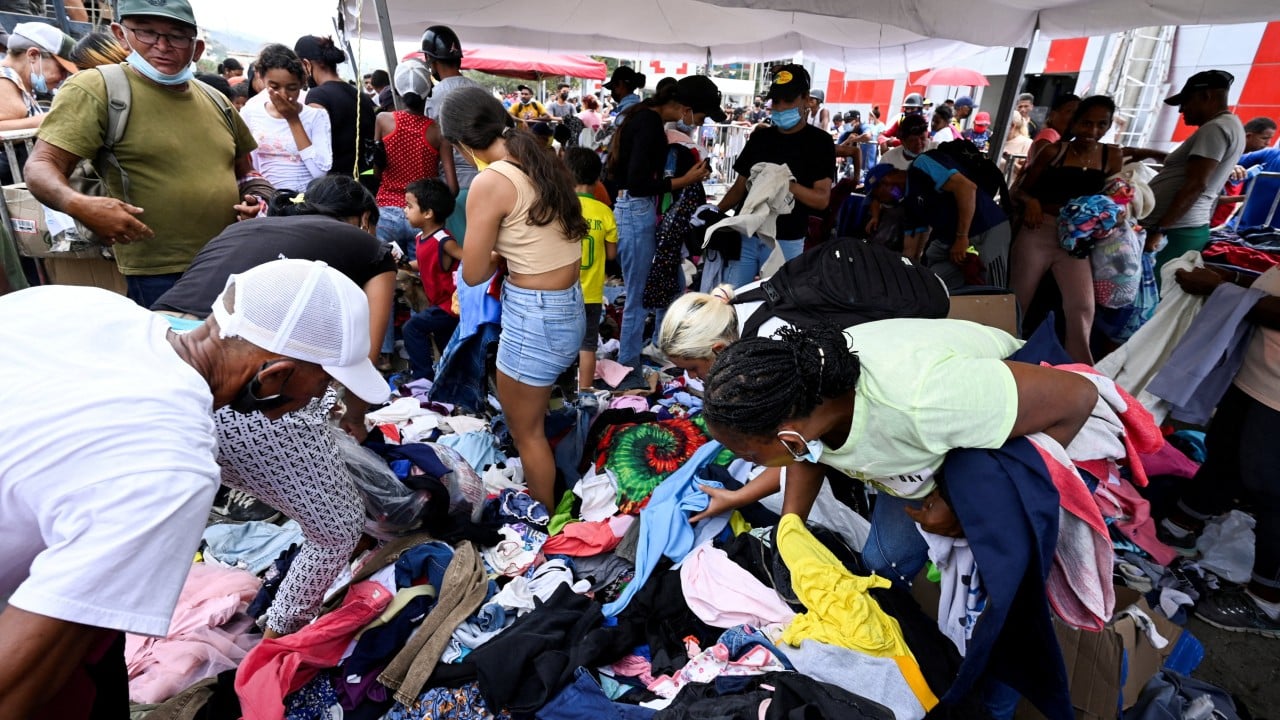
Local rescue teams are working with bare hands and limited fuel. Hospitals, already suffering from years of medical shortages, are completely overwhelmed. Because the Venezuelan government has faced years of diplomatic isolation, standard international aid channels aren't flowing normally. This left a massive vacuum.
What Beijing Is Actually Sending
Beijing isn't just sending a bank transfer and calling it a day. The $14.7 million package is structured specifically for immediate survival and long-term rebuilding. According to the Foreign Ministry, the funds are tied directly to "emergency free relief supplies" and post-disaster reconstruction tools.
But the real value lies in the logistics and tech China threw into the mix:
- High-Res Satellite Imagery: China's space program immediately repositioned assets to provide Caracas with real-time satellite maps of the affected zones. When roads are blocked by landslides, these images tell rescue teams exactly which paths are still passable.
- Heavy Construction Machinery: Chinese state-owned enterprises already operating in Venezuela have mobilized their own heavy engineering fleets. Bulldozers and excavators are clearing debris in Caracas and Yaracuy right now.
- Boot-on-the-Ground Logistics: Local Chinese diaspora communities and corporate networks inside Venezuela didn't wait for orders from Beijing. They voluntarily formed localized rescue teams and distributed medical supplies directly to hard-hit neighborhoods.
More Than Charity: The Geopolitical Play
Let's be completely honest here. Big-power diplomacy is rarely a one-way street of pure altruism. China has poured billions of dollars into Venezuelan oil infrastructure, mining, and satellite tech over the last two decades. While Caracas has struggled to repay some of those loans in recent years, Beijing still views Venezuela as its primary strategic anchor in South America.
By stepping up with millions in aid while Western nations navigate a complex web of sanctions and severed diplomatic ties with President Nicolás Maduro's government, China secures its position as an irreplaceable ally. It sends a loud message to the rest of the Global South: when things get catastrophic, Beijing shows up with concrete assistance, zero political lectures attached.
Furthermore, the involvement of local Chinese state enterprises shows how deeply embedded China's economic machinery is within Venezuela. They aren't flying in clueless foreign workers; they're deploying assets that were already parked in the country.
What Happens Next
The immediate priority for the joint Venezuelan and Chinese teams is moving from search-and-rescue to disease prevention and temporary housing. With tens of thousands of homes destroyed, the risk of waterborne illnesses in crowded temporary camps is the next ticking time bomb.
Expect Chinese cargo planes to begin landing at Simón Bolívar International Airport within days, packed with tents, water purification systems, and field hospitals.
For Venezuela, this aid is a temporary lung that keeps the state breathing through a historic catastrophe. For observers of global politics, it's a stark reminder that Latin America's balance of power continues to tilt away from traditional Western influence, one crisis at a time. The real test will be whether this $14.7 million can bypass bureaucratic bottlenecks and actually reach the families currently sleeping on the streets of San Felipe and La Guaira.