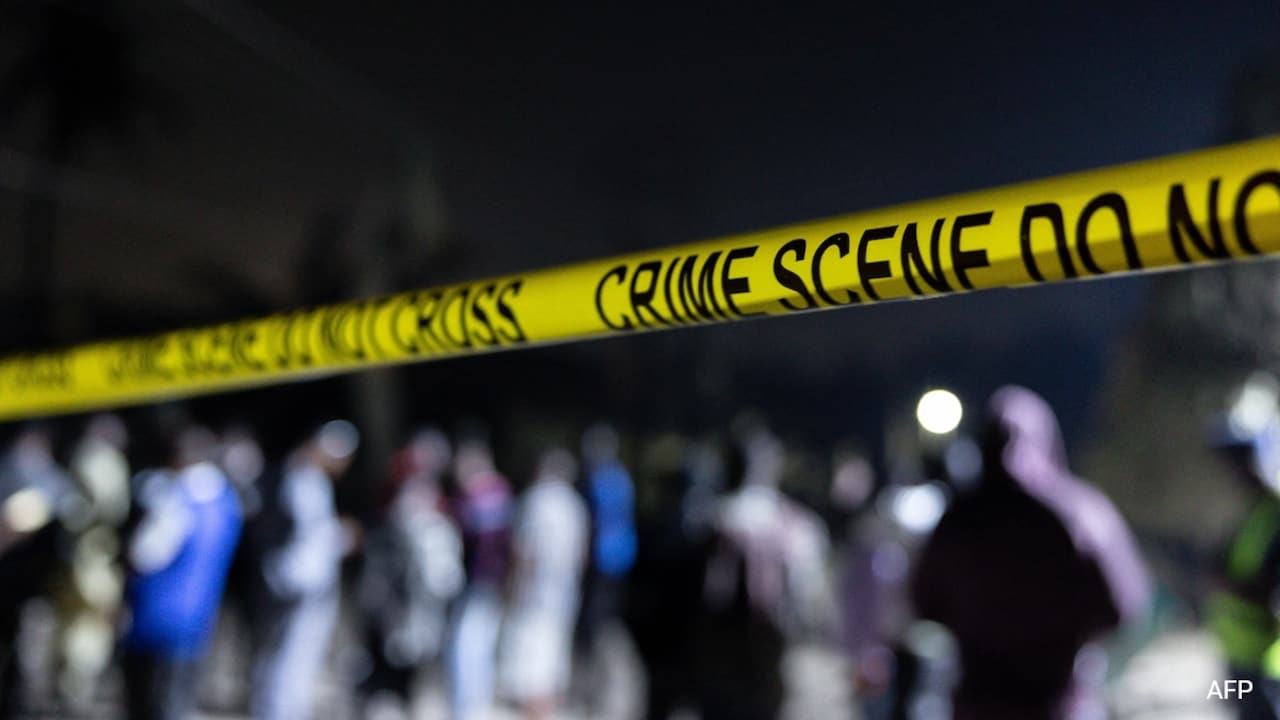
A quiet Thursday afternoon in Damascus shattered in a split second. People were wrapping up their work week, enjoying coffee, and catching up with friends on Al-Nasr Street in the busy Hijjaz area. Then, the bomb went off. Nine people lost their lives instantly. Twenty others are now fighting for survival in local hospitals.
This isn't just another tragic headline from a region long marred by conflict. It's a stark reminder that the post-Assad era is anything but peaceful. If you thought the fall of the old regime in late 2024 meant immediate safety, this attack changes everything. The blast tore through a popular cafe just 70 meters from the main judicial complex, the Palace of Justice. The location wasn't an accident. It was a deliberate strike at the heart of the country's fragile new legal and administrative core. If you enjoyed this post, you should look at: this related article.
Security forces cordoned off the area immediately, but the damage was done. Blood blended with shattered glass on the pavement. Ordinary citizens didn't wait for ambulances. They piled wounded bodies into civilian cars, desperate to save anyone they could. It's messy, it's horrifying, and it exposes the massive gaps in the capital's current defense network.
The Grim Reality of the Hijjaz Area Attack
The details coming out of the Syrian Health Ministry and local witnesses paint a gruesome picture. The explosion occurred around 3:00 p.m. local time. That's peak hours for workers leaving their offices ahead of the Friday weekend. The targeted cafe was a known hub for judges, lawyers, and legal clerks. For another angle on this development, check out the recent coverage from Al Jazeera.
According to the Interior Ministry, the weapon was a crude improvised explosive device. It weighed roughly one kilogram. What made it lethal wasn't just the blast pressure, but the metal shrapnel packed inside. It was designed to maximize human casualties in an enclosed space.
Nearby restaurant owners described a sound that shook the entire neighborhood. When the smoke cleared, the interior of the cafe was completely ruined. Investigators are currently reviewing security footage and collecting forensic evidence. No group claimed responsibility right away. However, the tactics point toward militant cells trying to destabilize the central government.
Security Cracks in the Post Assad Era
To understand why this happened, look at the bigger political shifts. President Ahmad al-Sharaa took power after leading a rebel coalition that overthrew the Assad dynasty. Since taking the reins, his administration has struggled to build an effective security apparatus.
Rebuilding a nation from scratch is incredibly difficult. Al-Sharaa has promised to protect all Syrians, regardless of ethnic or religious background. He has tried to show that his government can maintain law and order. Yet, sophisticated insurgent cells keep finding ways through the cracks.
This cafe bombing is the deadliest incident in Damascus in months. It follows a string of targeted attacks across the country. Last year, a suicide bombing at a church killed 25 people. In December, an Islamic State ambush in Palmyra took the lives of two U.S. soldiers and a civilian interpreter. These aren't isolated incidents. They show an organized, ongoing effort by extremist factions to prove that the new government cannot protect its citizens.
The Legal and Political Message Behind the Target
Targeting a cafe frequented by legal professionals sends a clear psychological message. The new government is trying to prosecute former officials and establish a new legal framework. By attacking the people who work at the Palace of Justice, the perpetrators are targeting the institutional transition itself.
They want to create fear among the people responsible for executing the law. If judges and lawyers don't feel safe getting coffee next to their offices, the entire legal system slows down. It discourages professionals from taking on sensitive cases. It makes the state look weak and incapable of securing its own backyard.
The government response has been fiercely defensive. Officials insist the perpetrators will face accountability. But words don't stop shrapnel. The administration needs to figure out how a one-kilogram bomb was planted inside a busy cafe in a highly monitored zone without anyone noticing.
The Looming Threat of Restless Insurgencies
The primary suspect in these types of attacks remains the Islamic State. While they no longer hold massive swathes of territory like they did a decade ago, their underground networks are highly active. They operate in sleeper cells, moving quietly through urban centers.
The transition of power in Damascus created a security vacuum that these groups are exploiting. The previous regime spent decades building a massive, oppressive intelligence network. When that system collapsed, it wasn't instantly replaced by something better. The new security forces are still finding their footing, learning how to share intelligence, and struggling to monitor every crowded market and cafe.
Urban counter-terrorism requires precision. It needs deep informant networks and advanced electronic surveillance. Right now, the Sharaa government is playing catch-up. They are raiding cells frequently, but they are playing defense instead of preventing attacks before they happen.
What This Means for Everyday Life in Damascus
For residents of Damascus, this attack brings back old anxieties. For a few months, there was a sense that the worst of the war was over. Markets were filling up, and businesses were reopening. People were starting to enjoy normal routines again.
An attack like this destroys that fragile confidence instantly. It makes people think twice about sitting outside, visiting crowded markets, or going to their favorite restaurants. The economic toll is immediate. If people stay home, local businesses suffer, slowing down the broader recovery the country desperately needs.
The local community response shows incredible resilience, but also deep exhaustion. The citizens who rushed to pull victims from the rubble aren't heroes by choice. They're people who have learned through years of hardship that they have to rely on each other when things go wrong.
Practical Steps for Security Analysts and Field Operators
If you're managing operations, humanitarian aid, or security analysis in the region, you can't treat this as business as usual. The security dynamics are fluid. You need to adapt your protocols to the reality on the ground.
- Monitor high-profile administrative zones. Avoid prolonged stays in commercial areas directly adjacent to government ministries, courthouses, or military headquarters. These remain prime targets for asymmetric attacks.
- Implement strict route variation. If your work requires visiting central Damascus, never use the same roads or visit the same establishments at predictable times. Insurgent cells watch for patterns.
- Enhance internal communication trees. Ensure all field staff have redundant communication lines that don't rely solely on local cellular networks, which can be shut down by authorities during security crises.
- Evaluate local partner security. If you work with local NGOs or contractors, audit their office security and transport protocols. Ensure they aren't inadvertently exposing your personnel to unnecessary risks.
- Track local intelligence updates. Follow verified local updates rather than relying solely on international news agencies, which often lag behind by several hours during active investigations.
The situation in Damascus remains highly volatile. The government will likely respond with heavy-handed security checkpoints and raids across the capital over the next few days. Expect significant traffic delays, increased scrutiny at checkpoints, and a visible military presence throughout the Hijjaz and Al-Nasr districts. Stay alert, keep your head down, and don't take unnecessary risks in crowded public spaces.