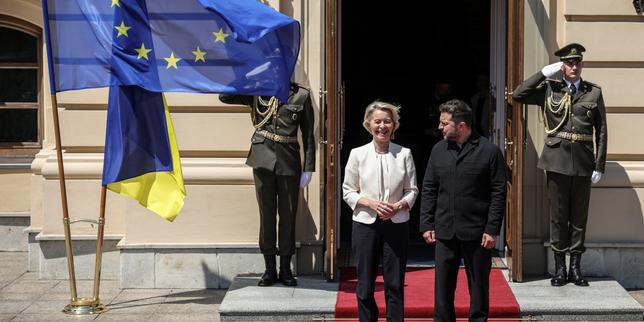
Brussels did it again, but barely. After weeks of tense bargaining behind closed doors, European Union ambassadors finally struck a deal on a 21st sanctions package aimed at choking off Russia's war effort.
If you're keeping count, twenty-one packages is a staggering amount of diplomacy. On paper, European Commission President Ursula von der Leyen hailed the decision as a fresh blow to Moscow's energy revenues, crypto networks, and shadow fleet. Underneath the official statements, however, the approval process exposed growing friction within the bloc.
Reaching unanimity across 27 capitals isn't getting any easier. In fact, every new round of restrictions forces member states to confront an uncomfortable reality: the easiest economic targets were exhausted a long time ago.
The Push and Pull Behind Brussels Sanctions Deals
Why does consensus take so long now?
During the early stages of the conflict, broad measures—like freezing central bank reserves or placing blanket bans on luxury exports—found quick agreement. Everyone wanted to send a swift, united signal. But when sanctions start touching maritime shipping, domestic energy pricing, or specific banking networks, individual national economies feel the bite differently.
Take maritime shipping. Greece and other Mediterranean nations with massive commercial fleets raised immediate red flags over proposed restrictions on oil price cap mechanisms and vessel servicing. They feared that overly aggressive rules would simply hand maritime market share over to non-EU fleets in Asia or the Middle East without actually stopping Russian crude from moving.
To get the deal over the finish line, negotiators had to introduce compromises:
- Freezing the oil price cap adjustment mechanism for a year to avoid destabilizing global tanker markets.
- Narrowing targeted bans so national shipping operators don't face sudden regulatory cliffs.
- Carving out grace periods for third-country maritime service providers.
It's a classic Brussels trade-off. To preserve political consensus, the EU frequently dials back the scope of its hardest-hitting proposals.
What Is Actually Inside the 21st Package
Despite the watered-down compromises, the latest package isn't just symbolic. It introduces targeted measures designed to close persistent loopholes that Moscow used to bypass earlier restrictions.
Banking and Crypto Blacklists
The EU added 32 more Russian financial institutions to its transaction ban list. More importantly, regulators turned their attention toward crypto platforms operating in third countries. Kremlin-linked entities relied heavily on decentralized finance and cross-border crypto exchanges to settle international trade payments outside the SWIFT system. The new framework gives EU regulators direct authority to target non-EU platforms facilitating those evasions.
Clamping Down on the Shadow Fleet
Rogue tankers—vessels operating with hidden ownership, questionable flags, and dubious insurance—have been a major revenue lifeline for Russian crude exports. The 21st package targets not only these individual ships, but also the support ecosystem surrounding them. Bunkering services, offshore ship-to-ship transfer operators, and third-country refiners handling questionable crude now face explicit sanctions.
Technology and Dual-Use Restrictions
Export bans continue to expand. The latest restrictions block specific aerospace-grade alloys, drone launch equipment, and specialized electronic components from reaching Russian buyers. Rather than targeting consumer goods, European officials are focusing on high-precision inputs that Russian defense manufacturers struggle to replace locally.
The Trade-Off Between Pressure and Domestic Reality
Critics often ask: why not just enact a total embargo and end the debate?
The answer comes down to economic self-preservation. European leaders are constantly balancing international pressure against domestic political stability. When energy prices surge or inflation squeezes consumer budgets, European voters react. Leaders in Athens, Budapest, or Rome know that signing off on measures that damage their own port authorities or energy providers can trigger severe political blowback at home.
The EU's consensus model means a single dissenting vote can derail weeks of work. As a result, the final text of any sanctions package ends up looking less like an economic sledgehammer and more like a carefully negotiated compromise.
Where Economic Restrictions Go From Here
If you operate a business with international supply chains or cross-border logistics, expecting sanction regimes to stabilize is a mistake. Compliance demands will only become more complex from here on out.
Here are the practical steps organizations should take right now to stay compliant:
- Audit Third-Party Intermediaries: Inspect distributors in key transshipment hubs like Türkiye, the UAE, or Central Asia. Regulatory authorities are actively targeting third-country facilitators.
- Review Crypto and Fintech Exposure: Assess your payment channels. If your supply chain relies on non-standard payment gateways, ensure those platforms aren't interacting with blacklisted Russian entities.
- Update Maritime and Freight Vetting: Freight forwarders must cross-reference IMO numbers for shadow fleet listings before booking transport, as port bans now extend to support vessels.
Sanctions enforcement is shifting from sweeping headlines to granular, technical regulation. Keeping up with that shift requires watching what gets compromised in Brussels just as closely as what gets passed.