You might think twice about your lunch order if you spent your workday studying foodborne pathogens. Microbiologists and epidemiologists look at a restaurant menu or a grocery aisle with completely different eyes than the rest of us. Where most people see a fresh salad bar or a trendy raw milk smoothie, scientists see breeding grounds for Salmonella, Listeria, and E. coli.
They aren't just being paranoid. According to data from the Centers for Disease Control and Prevention, roughly 48 million Americans get sick from foodborne illnesses every single year. That is one in six people.
Here is what food safety specialists actively avoid putting on their own plates, along with the biological reasons behind their choices.
Raw Milk and Unpasteurized Dairy Products
Raw milk has gained popularity online recently, touted by influencers as a natural superfood. Food safety professionals, however, treat it as a biohazard. Pasteurization exists for a reason. Heating milk kills off dangerous pathogens like Campylobacter, E. coli, Listeria, and Salmonella.
When you drink raw milk, you skip that protective step entirely. Dairy cows, no matter how clean the farm appears, carry bacteria in their manure and on their udders. Contamination during milking happens fast. Listeria is particularly dangerous because it survives and multiplies even inside a cold refrigerator. For pregnant women, immune-compromised individuals, or young children, a Listeria infection can be devastating.
Pre-Cut Bagged Salads and Leafy Greens
Bagged lettuce feels like a convenient choice for a quick weeknight dinner. It is also one of the leading drivers of multi-state foodborne illness outbreaks.
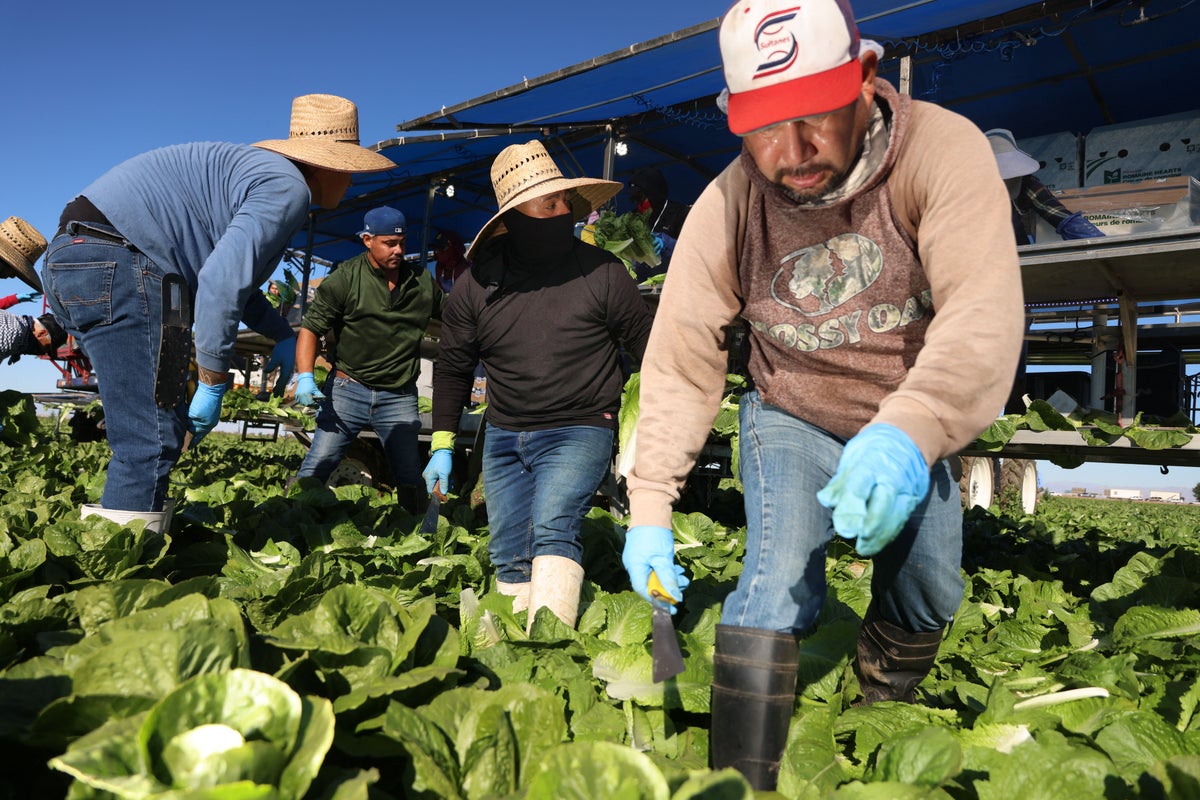
Leafy greens grow close to the soil, where runoff from nearby livestock can easily contaminate the crops. Once lettuce is harvested, cut, and mixed into massive processing batches, a single contaminated leaf can taint thousands of bags. The moisture trapped inside plastic packaging creates an ideal environment for bacteria like Cyclospora and E. coli to thrive.
Rinsing pre-washed bagged salad at home does not guarantee safety either. Bacteria can stick stubbornly to microscopic tears on the cut edges of the leaves.
Raw Sprouts
Alfalfa sprouts, clover sprouts, and mung bean sprouts might look like the ultimate health food. In reality, they are one of the riskiest items you can buy at a grocery store or order on a sandwich.
Sprout seeds require warm, humid conditions to germinate. Unfortunately, those exact environmental conditions are what bacteria need to multiply exponentially. If a single seed carries trace amounts of Salmonella or E. coli, the sprouting process acts as an incubator. You cannot wash bacteria off raw sprouts because the microorganisms get trapped inside the growing plant tissue itself.
Raw Oysters and Raw Shellfish
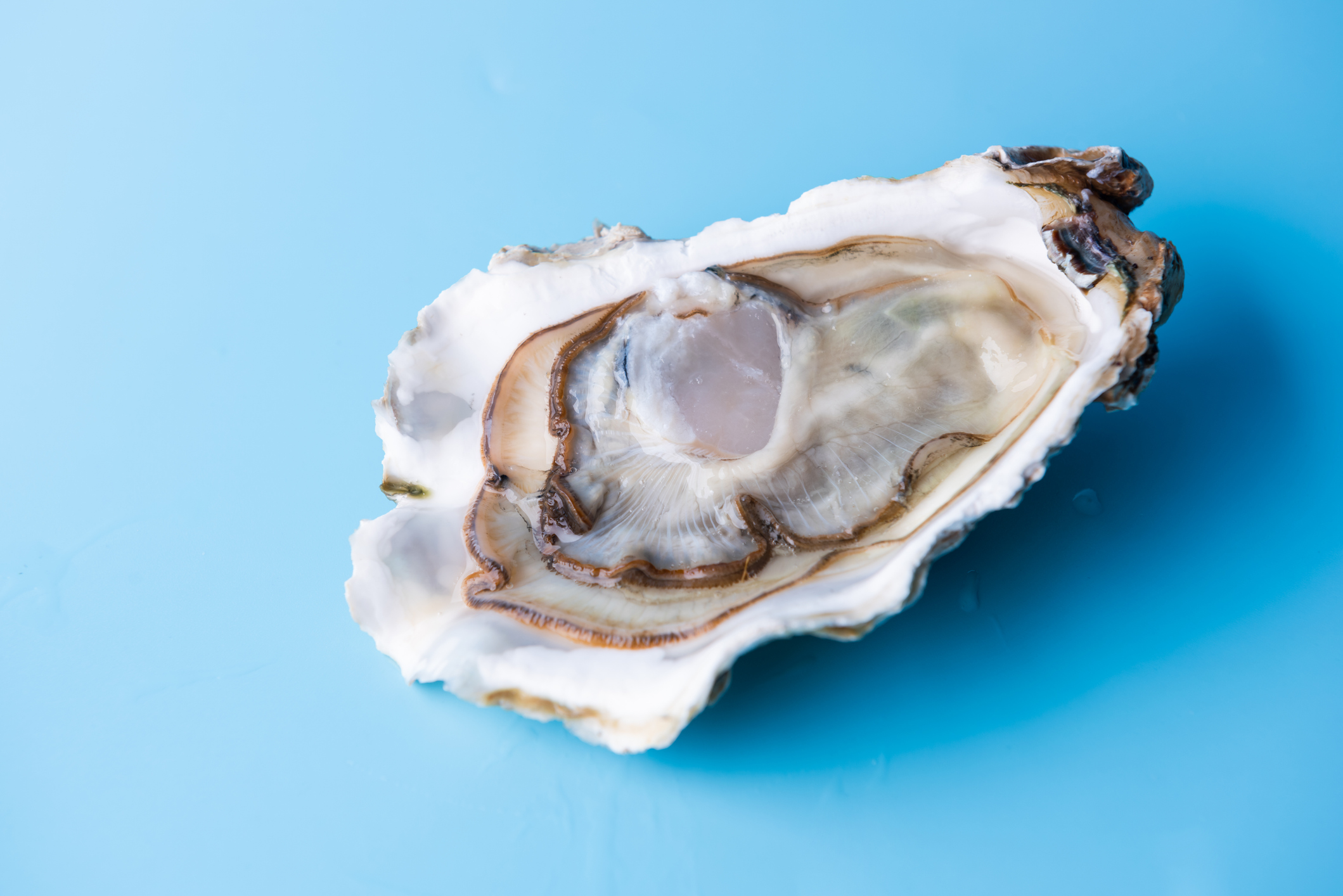
Eating raw oysters on the half-shell is a classic culinary indulgence, but it comes with serious biological risk. Oysters are filter feeders. They pump large volumes of water through their gills every day, straining out plankton and concentrating whatever else is floating in the water.
In warm coastal waters, oysters naturally accumulate Vibrio vulnificus and Vibrio parahaemolyticus. Vibrio bacteria can cause severe gastrointestinal distress, blood infections, and serious skin lesions. Norovirus is another common culprit found in raw shellfish harvested from contaminated waters. Cooking oysters thoroughly kills these pathogens, but eating them raw is always a gamble.
Cantaloupe and Whole Melons
Most people assume fruit with a thick skin is naturally safe from contamination. Cantaloupe is a major exception to that assumption.
The outer skin of a cantaloupe is rough and netted, creating thousands of microscopic crevices where soil particles and bacteria like Listeria or Salmonella can hide out. When you cut through an unwashed melon with a knife, the blade drags those surface bacteria straight through the sweet flesh inside. Because cantaloupes have low acidity, bacteria multiply quickly once sliced. If you buy melon, wash the outside thoroughly with a scrub brush before slicing, or skip pre-cut melon bowls altogether.
Raw Cookie Dough and Raw Flour
Everyone knows about the risk of raw eggs in cookie dough, but few realize that raw flour is just as hazardous. Flour is an uncooked agricultural product. Wheat fields are exposed to wildlife, bird droppings, and agricultural runoff.
When wheat grains are harvested and milled into flour, any E. coli or Salmonella present on the grain ends up in the bag on your shelf. Heat is required to kill those pathogens. Eating raw dough, batter, or even tasting dry cake mix before baking carries a genuine risk of severe bacterial infection.
Undercooked Ground Beef
A rare steak and a rare hamburger are not equal in terms of risk. When a butcher cuts a steak, any bacterial contamination remains on the exterior surface of the meat. Sear the outside of the steak on a hot grill, and you kill the pathogens, making the interior safe even if it stays pink.
Ground meat is completely different. The grinding process takes the surface of the meat and mixes it thoroughly throughout the entire blend. If any part of the original meat had E. coli on its surface, those bacteria are now distributed right through the middle of the patty. Ground beef must reach an internal temperature of 160°F to be safe to eat.
Store-Bought Pre-Cut Fruit Containers
Grabbing a tub of pre-sliced pineapple, melon, or berries from the produce section seems harmless enough. However, pre-cut fruit involves heavy handling and multiple processing surfaces.
Fruit loses its natural protective outer skin once cut. Juices leak out, lowering the acidic barrier and creating a nutrient-rich liquid where bacteria multiply rapidly if the display case drops even slightly above proper refrigeration temperatures. You are far safer buying whole fruit and chopping it yourself at home on a clean board.
Unpasteurized Juices and Ciders
Freshly squeezed apple cider from a local orchard or unpasteurized fruit juice from a farm stand sounds wholesome. Yet unpasteurized fruit drinks carry the same bacterial risks as raw milk.
Apples dropped on the ground before harvesting can come into contact with animal manure, picking up E. coli O157:H7 or Cryptosporidium. When those apples are pressed without subsequent pasteurization or UV treatment, dangerous pathogens end up straight in your glass. Always look for the word "pasteurized" on juice labels.
Buffet Food and Open Deli Displays
Buffets present a massive challenge for food safety maintenance. Keeping hot food hot enough (above 140°F) and cold food cold enough (below 40°F) for hours at a time is difficult, even for diligent establishments.
When food sits in the "danger zone" between 40°F and 140°F, bacteria double in number every 20 minutes. Open food trays also face constant exposure to sneeze droplets, shared serving utensils, and hands from dozens of customers. If you visit a buffet, aim to eat right when fresh dishes are brought out from the kitchen.
How to Protect Yourself at Home
Knowing what food safety experts avoid helps you make smarter choices in your daily routine. You do not need to live in fear of your food, but applying basic safety principles dramatically reduces your risk of foodborne illness.
- Keep raw meat, poultry, and seafood strictly separated from fresh produce in your cart and fridge.
- Use a digital meat thermometer rather than relying on meat color to judge doneness.
- Wash whole melons with a brush under running water before cutting into them.
- Cook ground meat to an internal temperature of 160°F and poultry to 165°F.
- Consume prepped produce within two to three days and discard anything left out at room temperature for over two hours.