The Shift in War Reporting
When conflict surges across the Middle East, the traditional media machine usually kicks into a predictable gear. News anchors deliver somber studio briefings, network graphics flash across screens, and foreign correspondents report live from rooftops against skylines filled with smoke.
Yet the way field reporters communicate with audiences is undergoing a quiet revolution.
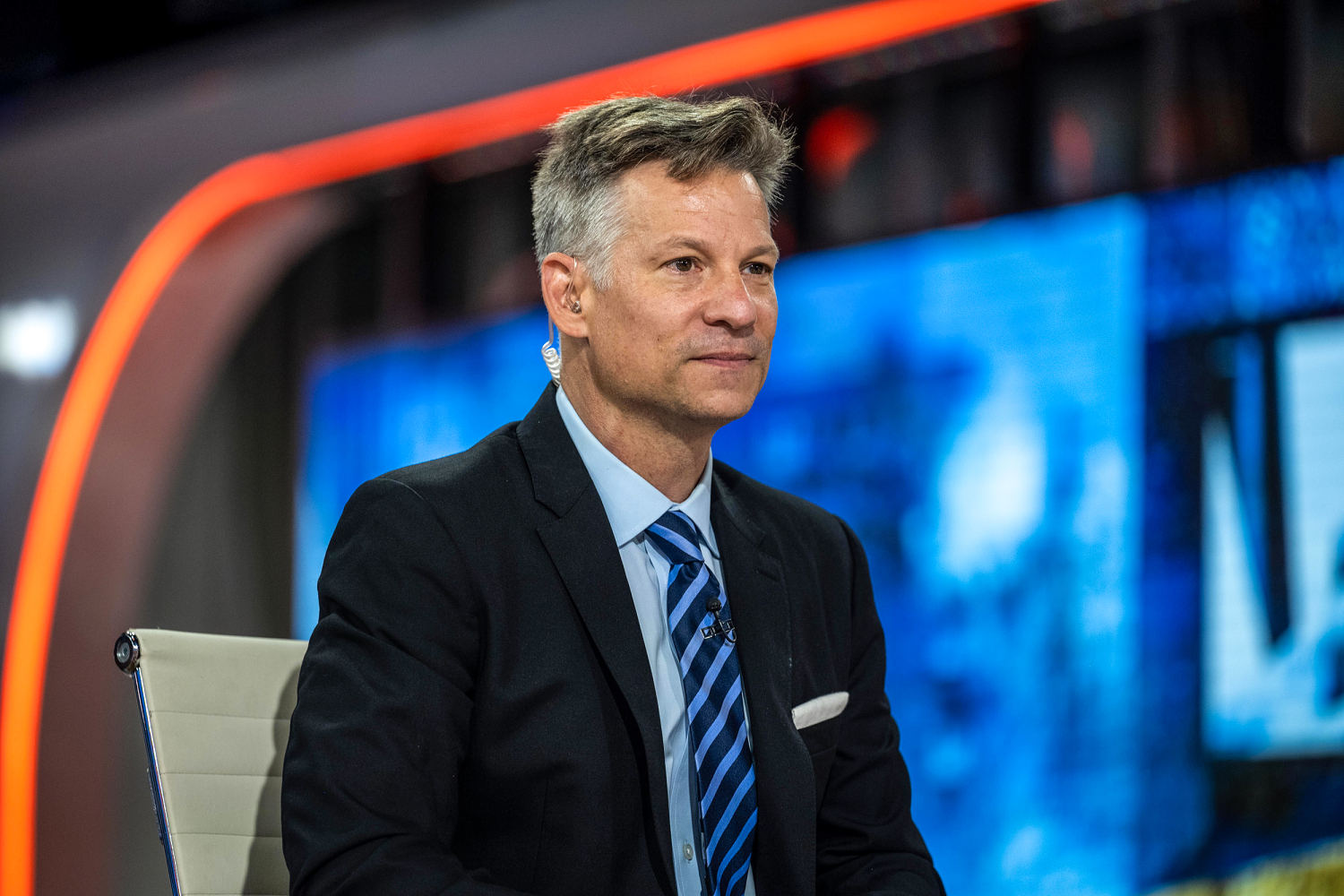
Instead of keeping coverage strictly one-way—from the foreign bureau down to the viewer—veteran journalists are opening direct lines of communication with the public. When NBC News Chief Foreign Correspondent Richard Engel invited readers and viewers to submit their direct questions regarding heightened tensions with Iran, it wasn't just a audience engagement gimmick. It signaled a necessary shift in how complex international security issues need to be explained.
Understanding regional escalation requires cutting through dense diplomatic jargon and geopolitical rhetoric. By letting everyday readers ask what actually matters to them, foreign reporting gets grounded in real-world clarity rather than abstract policy debate.
What Audiences Really Want to Know About Iran
Top-down news reports often focus on official diplomatic statements, troop movements, and high-level summits. But when you look at the questions everyday citizens ask war correspondents, a completely different set of priorities emerges.
People rarely ask for a breakdown of UN resolutions. They ask direct, human questions:
- What does this mean for gas prices and local inflation? Economic ripple effects from the Persian Gulf strike home faster than any diplomatic briefing.
- Are military strikes actually achieving their stated goals? Viewers want pragmatic assessments of strategic outcomes, not political spin from state officials.
- What is life actually like on the ground for ordinary citizens in Tehran? Beyond the political rhetoric, readers crave a realistic picture of everyday life inside country borders during a geopolitical crisis.
- Could this escalate into a direct broader conflict involving Western allies? The fear of unintended escalation remains a primary concern for international observers.
When veteran journalists like Engel take these questions directly, they bridge the gap between high-level intelligence reporting and the genuine concerns of the public.
Behind the Mic with Field Journalists
Reporting live from war zones or volatile capitals like Tehran, Tel Aviv, or Istanbul is radically different from presenting news from a studio in New York or London.
Field correspondents operate in environments where information changes rapidly and misinformation spreads rapidly across social channels.
"When you're standing on the ground during a crisis, your primary job isn't just delivering headlines—it's separating verified reality from atmospheric noise."
Journalists navigating complex foreign beats face distinct operational challenges:
Access and Verification
In heavily controlled environments, simply securing press access or verifying local reports without state interference requires extensive ground networks and years of local experience.
Distilling Complex History
Conflicts in the Middle East rarely start overnight. A single tactical event often carries decades of historical context, from previous nuclear negotiations to long-standing regional rivalries. Explaining that history in a two-minute broadcast segment is nearly impossible without structured Q&A formats.
Real-Time Accountability
Interactive Q&A sessions hold journalists accountable to their audience. If a report leaves a glaring question unanswered, viewers can immediately press for answers, forcing deeper investigation into blind spots.
Moving Beyond Soundbite Diplomacy
For decades, international reporting suffered from a format problem. Cable news soundbites lasted ninety seconds. Written print briefs were constrained by rigid layout limits.
Podcast formats like The World with Richard Engel and Yalda Hakim, along with interactive newsroom Q&As, break those structural constraints. They allow foreign correspondents to spend twenty minutes dissecting a single tactical decision or explaining the nuanced internal dynamics of regional governments.
When coverage expands past immediate headlines, several critical insights become clear:
- Regime dynamics aren't monolithic. Foreign nations contain diverse internal perspectives, generational divides, and competing political factions that state television ignores.
- Sanctions have complex outcomes. Economic pressure impacts civilian populations and internal markets in ways that rarely follow simple political narratives.
- Deterrence strategies carry unpredictable risks. Military posturing creates chain reactions that frequently catch planners off guard.
How to Follow International Conflict Without Getting Overwhelmed
Following fast-moving international security news without falling for misinformation or panic requires a disciplined approach to media consumption.
- Look for correspondents with physical presence. Prioritize reports from journalists actually stationed in or visiting the region over commentators reacting from studio desks thousands of miles away.
- Follow long-form Q&As and podcasts. Skip the outrage-driven short clips on social media. Long-form Q&A episodes provide the historical context needed to evaluate daily developments.
- Cross-reference international sources. Compare reporting across reputable foreign correspondents, independent analyst networks, and official statements to identify where consensus actually lies.
- Focus on structural facts over immediate rhetoric. Rhetorical threats from political leaders often serve internal political purposes rather than signaling immediate action. Focus on verified military movements and diplomatic schedules instead.
To stay informed as events unfold, track direct Q&A dispatches through official news platforms and dedicated international dispatches, where field reporters systematically address reader questions as regional dynamics develop.