For decades, the global perception of French living was beautifully stubborn. We all pictured the same scene. A chic Parisian sitting at a sidewalk cafe, puffing on a cigarette, sipping an espresso, and eating a buttery croissant without a single ounce of guilt. If you mentioned green juice or spinning classes to them, you would get a classic, dismissive shrug. They didn’t need wellness trends. They had style, good genetics, and an innate sense of balance.
That version of France is mostly dead.
Walk through the streets of Paris today and the shift smacks you right in the face. Gyms are packed. Oat milk is no longer a strange foreign import. Yoga studios open up in historic neighborhoods where bakeries used to stand. The country that once scoffed at American self-improvement culture has fully embraced the wellness movement. But they aren't just copying what New York or Los Angeles did. They are rewriting the rules entirely.
Understanding how the French fell for wellness requires looking past the superficial gym openings. It reveals a deeper change in how modern Europeans approach mental health, physical fitness, and the concept of a life well lived.
The Death of the Cigarette and Espresso Diet
The traditional French lifestyle relied on moderation, but it also relied on a lot of hidden unhealthy habits. Tobacco use was high. Alcohol was a daily staple. The concept of working out for the sake of working out was viewed as bizarrely aggressive and deeply unrefined. Sweat was something you avoided, not something you chased.
Things started moving fast over the last few years. Data from the French public health agency shows a steady drop in daily smoking rates among young adults. People want to feel clean. The younger generation of French professionals faces the exact same high-stress burnout as their peers in London or San Francisco. They realized that a glass of Bordeaux and a walk by the Seine simply wasn't enough to fix their anxiety.
This led to an explosion in physical fitness culture. Look at the massive success of indoor cycling studios like Dynamo in Paris. They didn't just open a few locations. They created a cult-like following. French fitness enthusiasts now willingly lock themselves in dark, sweaty rooms to ride stationary bikes to blasting techno music. Ten years ago, that would have been unthinkable. It represents a massive cultural pivot away from effortless elegance toward active, hard-earned physical health.
Reinvigorating the French Pharmacy
The French didn't start from scratch when they embraced wellness. They already had a secret weapon. The pharmacy.
Anyone who has ever stepped into a Parisian pharmacy knows they are temples of skincare and wellness. For generations, French women relied on specialized, dermatological products recommended by white-coated pharmacists. Brands like La Roche-Posay, Avène, and Caudalie were staples. But the modern wellness wave pushed this pharmacy culture into overdrive.
Instead of just buying a simple moisturizer, French consumers now demand active ingredients, clean formulations, and ingestible beauty. The rise of brands like Typology has completely disrupted the market. They focus on radically simple, raw ingredients and total transparency.
French pharmacies now stock shelves with adaptogens, collagen powders, and herbal supplements meant to cure everything from poor sleep to gut inflammation. The old approach was reactive. You went to the pharmacy when you had a skin issue or a cold. The new approach is entirely proactive. It is about optimizing health before anything goes wrong.
The Quiet Evolution of the French Table
Food is sacred in France. You don't mess with the culinary heritage without facing severe backlash. Yet, the way the French eat is undergoing a quiet, radical transformation that traditionalists hate to admit.
Organic food markets, known locally as bio, are no longer niche spots for hippies. They are mainstream infrastructure. Chains like Naturalia and Biocoop are everywhere. Even the classic supermarkets have massive aisles dedicated purely to organic, plant-based products.
The biggest surprise is the decline of meat consumption. The classic bistro menu used to be a festival of steak frites, duck confit, and beef bourguignon. Today, even traditional chefs are forced to offer serious vegetarian and vegan options. It isn't because the French suddenly hate meat. It's because they are fiercely conscious about the environmental impact of their food and the long-term health effects of heavy animal fats.
Then there is the alcohol question. The sober curious movement hit France hard. Non-alcoholic spirit brands and alcohol-free wine bars are popping up in major cities. Young professionals are opting for kombucha or botanical drinks during after-work drinks instead of a traditional pastis or beer. They want the social connection without the next-day brain fog.
Why This French Shift Matters to the Rest of the World
When the French adopt a trend, they filter it through their own cultural lens. They refuse to accept the punishing, obsessive side of Anglo-American wellness culture.
In America, wellness often looks like an extreme sport. It involves 5:00 AM alarms, strict diets, expensive biohacking gadgets, and an underlying sense of guilt if you slip up. It feels like work.
The French version rejects that guilt entirely. They call it art de vivre. They might go to a grueling spinning class at noon, but they will still enjoy a high-quality pastry or a glass of natural wine later that evening with friends. They don't do juice cleanses to punish themselves for eating poorly. They view wellness as an enhancement of pleasure, not a restriction of it.
This balanced mindset is exactly what the global wellness industry needs right now. People are burning out on wellness culture itself. The constant pressure to optimize every single minute of your day is exhausting. The French approach proves that you can care deeply about your physical and mental health without abandoning the joys of regular life.
How to Apply the French Approach to Your Own Routine
You don't need to move to Paris to adopt this balanced mindset. You just have to change how you frame your habits.
First, stop looking at exercise as a punishment for what you ate. Treat movement as a way to clear your mind and build strength, but don't let it rule your social life. If a workout schedule prevents you from enjoying dinner with people you love, the schedule is broken, not your life.
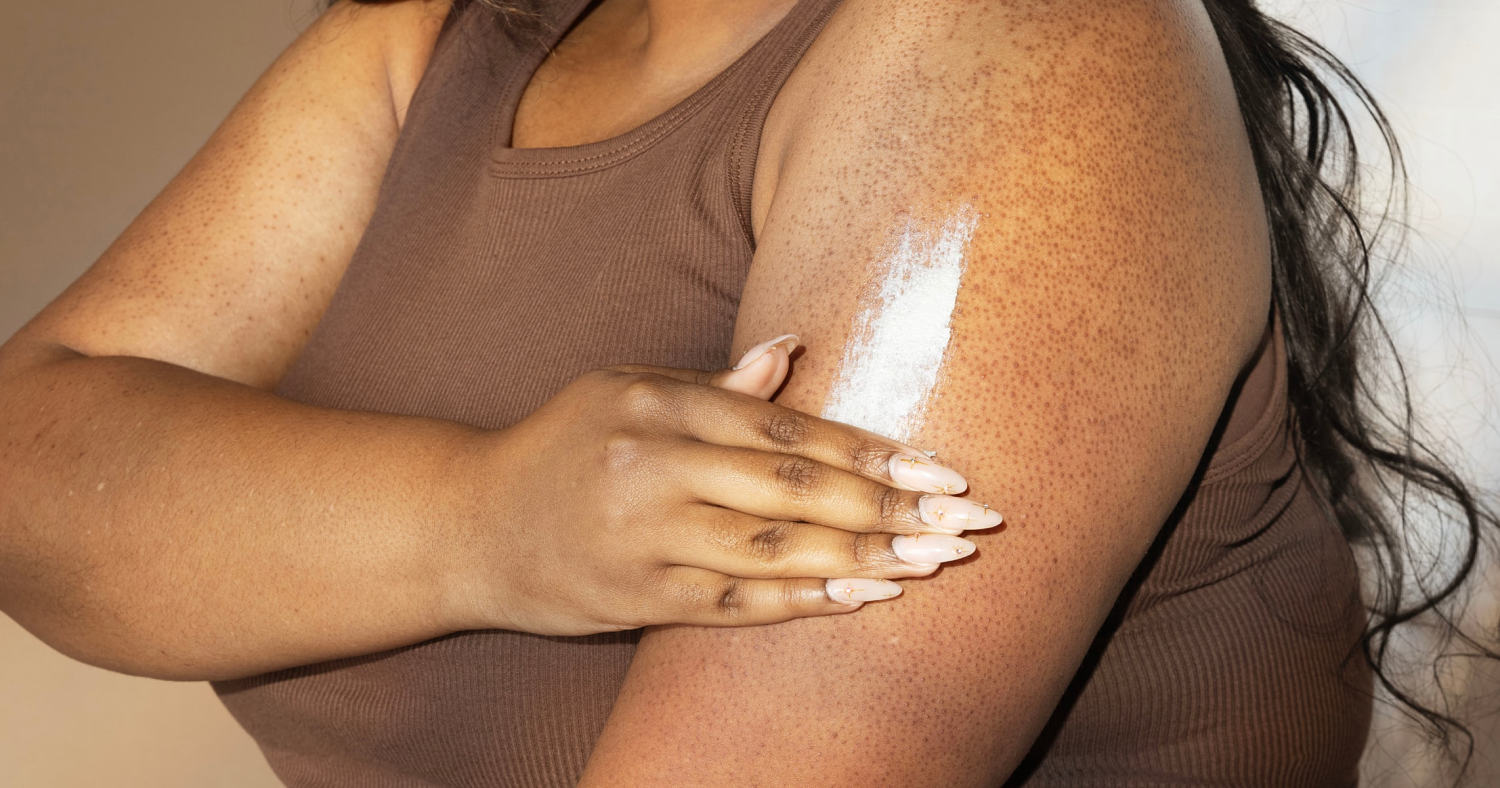
Second, upgrade your daily rituals rather than buying complex systems. The French excel at making simple things beautiful. Buy better quality food in smaller quantities. Spend an extra five minutes on your skincare routine using simple, effective ingredients. Drink more water, sleep with your phone in another room, and take actual breaks during your workday.
Finally, eliminate the word guilt from your vocabulary when it comes to food and lifestyle choices. A piece of chocolate or a missed workout isn't a moral failure. It's just part of living. True wellness isn't a perfect streak of clean eating. It's the ability to care for your body while still enjoying the world around you.
Start making these adjustments today. Focus on consistency over perfection. Pick one area of your routine, simplify it, remove the stress, and see how much better you feel when you stop overthinking your health.