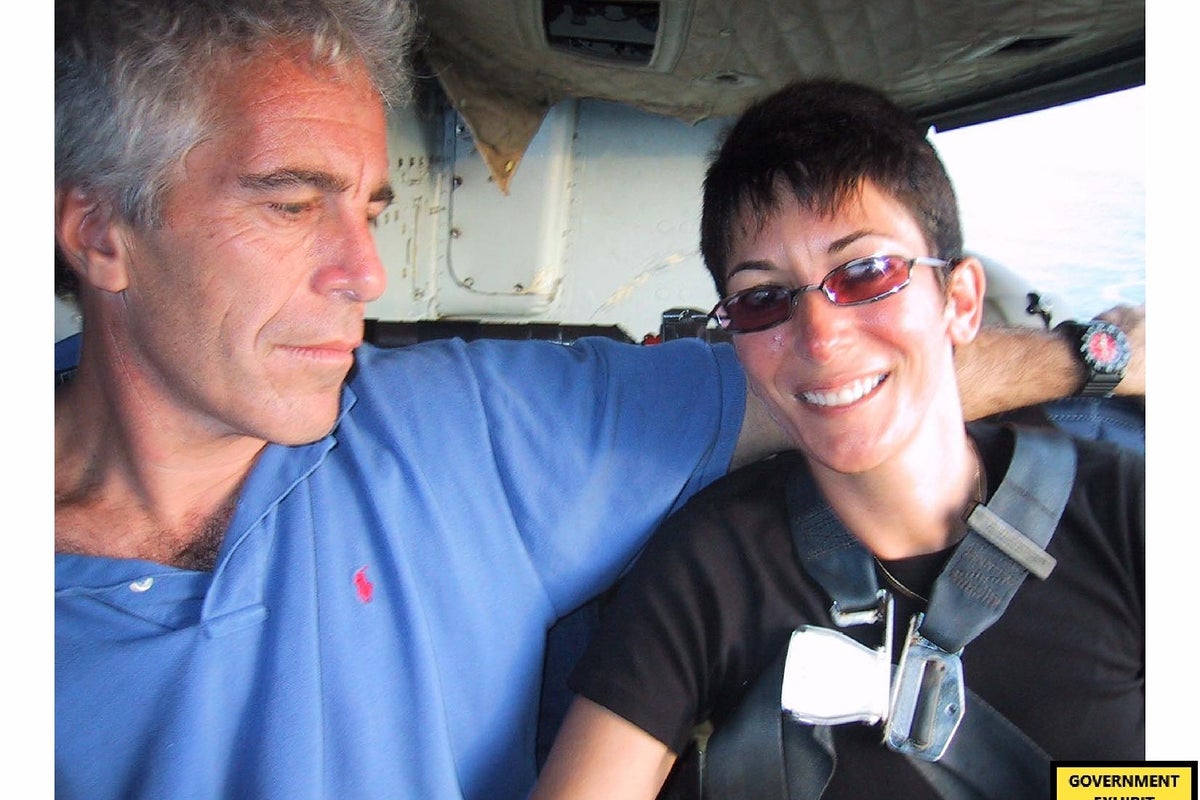
Ghislaine Maxwell isn't giving up. Locked away in a minimum-security federal prison camp in Bryan, Texas, she's currently serving a 20-year sentence for child sex trafficking. Her conventional appeals have completely dried out. In October, the US Supreme Court flatly refused to hear her case, seemingly cementing her fate until her projected release date in July 2037.
But a massive shift occurred. The unsealing of millions of pages of government documents under the Epstein Files Transparency Act has provided Maxwell with a fresh line of attack. Acting as her own attorney, she filed an amended habeas corpus petition in Manhattan federal court. She claims these newly public documents prove her 2021 trial was fundamentally unfair.
The argument sounds bold on paper. She asserts that the lawyers representing Jeffrey Epstein's accusers were effectively running the show behind the scenes, acting as "de facto prosecutors" for the government. Federal prosecutors have quickly dismissed the claims as a late, speculative attempt to rewrite history.
Let's break down exactly what Maxwell is claiming, why she thinks these records vindicate her, and why the Department of Justice believes her arguments will collapse in court.
The Core of the New Habeas Corpus Petition
A writ of habeas corpus is a legal tool used to challenge the lawfulness of someone's imprisonment after traditional appeals have failed. It's notoriously difficult to win. For Maxwell, the stakes couldn't be higher. She's 64 years old. If her 20-year sentence stands, she'll be 75 by the time she tastes freedom.
Her latest legal strategy relies on documents made public after President Donald Trump signed the bipartisan Epstein Files Transparency Act into law. Congress passed the act almost unanimously, aimed at forcing the Department of Justice to lay bare its vast trove of investigative files. Maxwell spent months combing through the resulting millions of pages of disclosures. She believes she found structural flaws in how the government built its case against her.
The De Facto Prosecutors Theory
Maxwell's central argument focuses on the dynamic between federal prosecutors and the private civil attorneys representing Epstein's victims. In her amended petition, she argues that her due process rights were violated because these private lawyers acted as an unofficial arm of the government.
To back this up, she points to a specific piece of evidence uncovered in the newly unsealed records: a letter from a former federal prosecutor to the victims' attorneys stating, "I did what I could."
Maxwell argues this communication reveals an inappropriate collaboration. She claims the government allowed private attorneys to shape the criminal strategy, specifically to find a way around Epstein's highly controversial 2007 non-prosecution agreement in Florida. Maxwell has spent years arguing that the 2007 deal, which shielded Epstein's potential co-conspirators from federal charges, should have applied to her as well. Federal courts in New York have repeatedly rejected that interpretation, but Maxwell insists the new files show the government deliberately manipulated the process to bypass it.
Unfollowed Evidence and the Les Wexner Defense
Maxwell's petition doesn't stop at the relationship between prosecutors and victim advocates. She also attacks the thoroughness of the original FBI and Department of Justice investigation, calling her conviction "unsafe."
She alleges that prosecutors completely ignored crucial lines of inquiry. Her primary example is Leslie Wexner, the 88-year-old retail billionaire behind Victoria's Secret. Epstein managed Wexner's personal fortune for years, using that financial relationship to build his own empire. Wexner has consistently denied any knowledge of Epstein's criminal behavior, telling Congress he severed all ties with the financier in 2007.
According to Maxwell, the newly released records show that prosecutors failed to conduct a real, independent investigation into figures like Wexner. She claims that by relying heavily on pre-packaged information handed over by civil attorneys rather than executing their own exhaustive search, the government made serious misrepresentations to both the judge and the jury during her 2021 trial.
Why the Prosecution Says It's Too Late
The response from the US Attorney's Office in Manhattan was swift and unyielding. US Attorney Jay Clayton filed a formal opposition, characterizing Maxwell's petition as a mix of legal technicalities filed long past their expiration date and meritless speculation.
The government's pushback centers on three main realities:
- The Clock Ran Out: Under federal law, habeas corpus petitions face strict statutory deadlines. Clayton noted that the majority of Maxwell's claims were filed far too late to be legally considered.
- No Proof of Unfairness: For the few claims that met the deadline, prosecutors argue Maxwell fails to show how her trial was actually compromised. Sharing information with victims' attorneys isn't inherently illegal; it's a standard part of building complex federal cases involving trauma survivors.
- The Supreme Court Already Ruled: Maxwell's insistence that Epstein's 2007 Florida deal should shield her has already been thoroughly litigated. The Second Circuit Court of Appeals rejected it, and the Supreme Court chose not to intervene.
"The defendant utterly fails to carry her burden to overturn her proper conviction and just sentence," Clayton wrote in the filing.
What Happens Next
The case sits in the hands of US District Judge Paul Engelmayer, the federal judge overseeing Maxwell's post-conviction motions. Engelmayer recently delayed the public release of Maxwell's amended petition to ensure that prosecutors could thoroughly redact names and sensitive details, protecting the anonymity of Epstein's victims.
Don't expect a sudden release. Legal experts view Maxwell's self-represented petition as an incredibly steep uphill battle. Habeas petitions rarely succeed unless a defendant can prove a massive constitutional violation that completely undermines the integrity of the verdict. Given that the jury heard direct, emotional testimony from four primary victims detailing how Maxwell recruited and groomed them, overriding that evidence requires more than pointing out collaborative emails between prosecutors and civil lawyers.
Maxwell's next immediate step is to file a reply to the government's opposition. Once the paperwork is submitted, Judge Engelmayer will issue a written ruling deciding whether to grant an evidentiary hearing or dismiss her petition entirely. If you want to monitor the progression of the case, you can track the official docket for United States v. Maxwell through the Southern District of New York's public access system.