The corporate rainbow washing is mostly gone, the party budgets are tighter, and yet millions of people still clogged the streets of New York, San Francisco, and Mexico City this past weekend. If you think Pride Month has just turned into an excuse for expensive drinks and street festivals, you're missing the shift happening right under your nose.
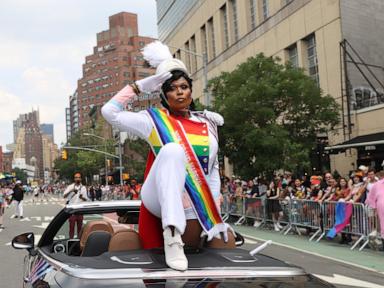
The traditional photo galleries show the expected images. You see Peppermint waving as a Grand Marshal in New York. You see a biker blowing a kiss in Lima. But look past the glitter. What actually went down during the final weekend of June 2026 proves that these marches are transforming back into what they were originally meant to be.
They're protests again.
The Shift From Party to Protest
For a long time, major corporate brands treated June like a gold rush. Every logo turned rainbow. Tech giants spent six figures on parade floats. That trend has cooled significantly over the last two years, driven by political pushback and tighter marketing budgets.
What's left is the core community.
In New York City, parade-goers gathered near the Stonewall Inn on Sunday to mark 57 years since the 1969 uprising. The energy felt different than it did five years ago. It felt heavier, sharper, and far more focused on global solidarity. Newly minted political figures, including New York City Mayor Zohran Mamdani, walked alongside activists rather than corporate executives.
People aren't just showing up to celebrate. They're showing up because legislative battles are intensifying across the globe. According to tracking data from the American Civil Liberties Union (ACLU), over 500 anti-LGBTQ+ bills were introduced in US state legislatures during recent legislative sessions, targeting everything from healthcare access to drag performances.
Global Snapshots of Resistance
If you look at the images coming out of international capitals from this weekend, the narrative of simple celebration completely falls apart. Each city presents a unique battleground.
- Manila, Philippines: Performers and activists crowded rallies not just for visibility, but to demand the passage of the long-delayed SOGIE Equality Bill, which has languished in the Philippine Congress for decades.
- Mexico City: The annual march through the Zócalo featured massive crowds demanding concrete protections against rising hate crimes in Latin America.
- Lima, Peru: Participants rode through the streets on motorcycles, using visibility as a direct shield against conservative political factions trying to roll back legal recognitions.
- Zurich, Switzerland: Even in Western Europe, where legal marriage equality is settled, marchers focused heavily on trans rights and rising far-right sentiment across the continent.
These aren't just legacy events keeping a tradition alive. They're active regional operations.
Why Visual Documentation Matters
Mainstream media often reduces these events to a generic slideshow of costumes. That's a mistake. The visual record of these marches serves a specific, documented purpose for human rights monitoring.
Human Rights Watch and Amnesty International routinely use crowd source imagery and media photography to document police presence, counter-protester activity, and state compliance with assembly laws. When a participant poses for a photo in a country with hostile laws, that image isn't vanity. It's an act of defiance that risks real-world legal consequences.
How to Support the Movement Moving Forward
If you watched the weekend's events unfold and want to engage beyond looking at pictures, skip the rainbow merchandise. Focus on direct action that yields tangible outcomes.
1. Fund Grassroots Legal Defense
National organizations get the headlines, but local bail funds and legal aid organizations handle the immediate fallout from protest arrests and discriminatory local ordinances. Check your local mutual aid networks.
2. Track Local Legislation
Don't wait for June to care about policy. Use tools like the ACLU Bill Tracker or the Human Rights Campaign's state maps to monitor bills moving through your specific state house right now.
3. Support Local LGBTQ+ Spaces
The commercialization of nightlife means historic gay bars and community centers are closing at alarming rates. Invest your dollars directly into the physical spaces that keep these communities safe during the other 11 months of the year.
Stop viewing Pride as an annual museum exhibit. The photos from this weekend aren't just historical artifacts; they're the front lines of an ongoing global conflict over bodily autonomy and civil liberties.