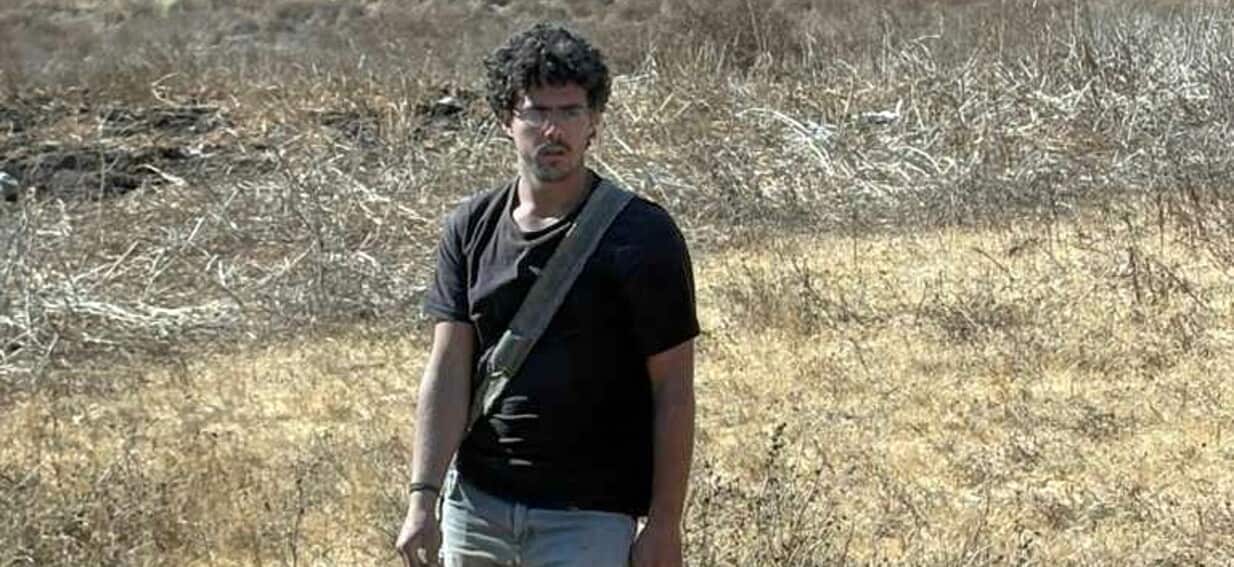
Names carry heavy weight, but in Kenya, carrying your mother's name as a surname can feel like dragging an anvil through a room full of critics.
For years, men walking around with names like Mwangi Wanjiru or John Wambui have had to endure a specific, stinging brand of social mockery. In a society where patriarchy runs deep, a man with a matronymic surname is often met with raised eyebrows, muffled laughs, or outright pity. The immediate assumption? No father in sight.
But things are shifting. Rather than hiding these names or rushing to registry offices to change them, a growing number of Kenyan men are wearing their mothers' names like armor. It's a quiet cultural rebellion that's redefining what family identity looks like in East Africa.
The Cultural Lacuna and the House of Mumbi
To understand why this is such a massive deal, you have to look at how naming traditionally works here. Most Kenyan communities rely heavily on patronymic systems, where a child inherits their father's first name or family name as a surname.
Take the Kikuyu community, for example, which is often at the center of this specific conversation. The irony is glaringly obvious to anyone who knows their history. The Kikuyu people literally refer to themselves as the Nyumba ya Mumbi—the House of Mumbi, named after their mythical matriarch. Yet, modern social structures treat a female surname as a badge of shame.
Traditionally, if a relationship failed or a woman didn't marry, a child wasn't left stranded without a male name. The maternal uncle—referred to reverently as Mama or the "male mother"—would step in. The child would often take his name, cementing a legal and cultural bond that included inheritance rights.
But we live in 2026, and land is scarce. When a single mother returns to her ancestral home today, uncles aren't always eager to share their quarter-acre plots or grade cows. This creates what local cultural writers call a cultural lacuna. Left with few options and facing resistance from her own kin, a mother does what she has to do. She invokes the old adage, gũtirĩ rĩtwa rĩtakũria mwana—no name stops a child from growing. She gives the child her own name.
Moving Past the Playground Ridicule
The real trouble starts when these boys enter school. Rolling calls in Kenyan classrooms can be brutal. A boy named after his mother stands out instantly. Classmates piece it together quickly, and the teasing usually centers around the idea that the boy is somehow less masculine or "belonging to a woman".
The stigma doesn't just evaporate in adulthood. Men face awkward moments at police checkpoints, during job interviews, or when applying for passports. Traditionalists and bureaucratic systems are still wired to look for the father's footprint. When it missing, the unspoken judgment creeps into the room.
Even the Kikuyu Council of Elders has openly expressed worry about the rising number of male children bearing female surnames, going so far as to suggest educational meetings for single mothers to curb the trend. They worry about a "lost generation". But many young Kenyans see it differently. They ask a simpler, sharper question: Where were the men when these names were being handed out?
Flipping the Script on Shame
The narrative is changing because the men carrying these names are changing it themselves. Instead of viewing their surnames as a mark of an absent father, they see them as a tribute to a mother who stayed, worked multiple jobs, and paid the school fees.
It's a practical mindset. If a man abandons his parental responsibilities, he shouldn't get the lifelong real estate of having his name carried on by the child he left behind.
We're seeing a wave of young professionals, artists, and entrepreneurs proudly using their matronymic names on business cards, social media profiles, and legal documents. They aren't trying to hide the fact that they were raised by single mothers; they're celebrating it. A female surname doesn't diminish a man's masculinity any more than a male surname guarantees a man's integrity.
How to Navigate the Conversation
If you carry a female surname in Kenya—or anywhere else where patrilineal norms dominate—and you're tired of the awkward questions, here's how to handle it cleanly.
- Own it immediately. Don't offer a long, defensive explanation when someone asks about your name. A simple, "It's my mother's name, she raised me," shuts down prying questions instantly.
- Decouple name from identity. Remember that social stigmas are human constructs, usually built on outdated ideas. Your name is a reflection of your heritage, not your capabilities or your worth as a man.
- Lean into the shifting legal landscape. Across Africa, courts are starting to recognize that rigid, patriarchal naming laws are outdated. Take South Africa, where the Constitutional Court recently struck down discriminatory sections of the Births and Deaths Registration Act to allow men to take their wives' surnames without bureaucratic hurdles. The world is moving toward equity, and your name is just ahead of the curve.
The next time someone smirks at a man with a female surname, the joke isn't on him. It's on a society that's still struggling to realize that honor isn't inherited through a gender line—it's earned by the person who shows up.