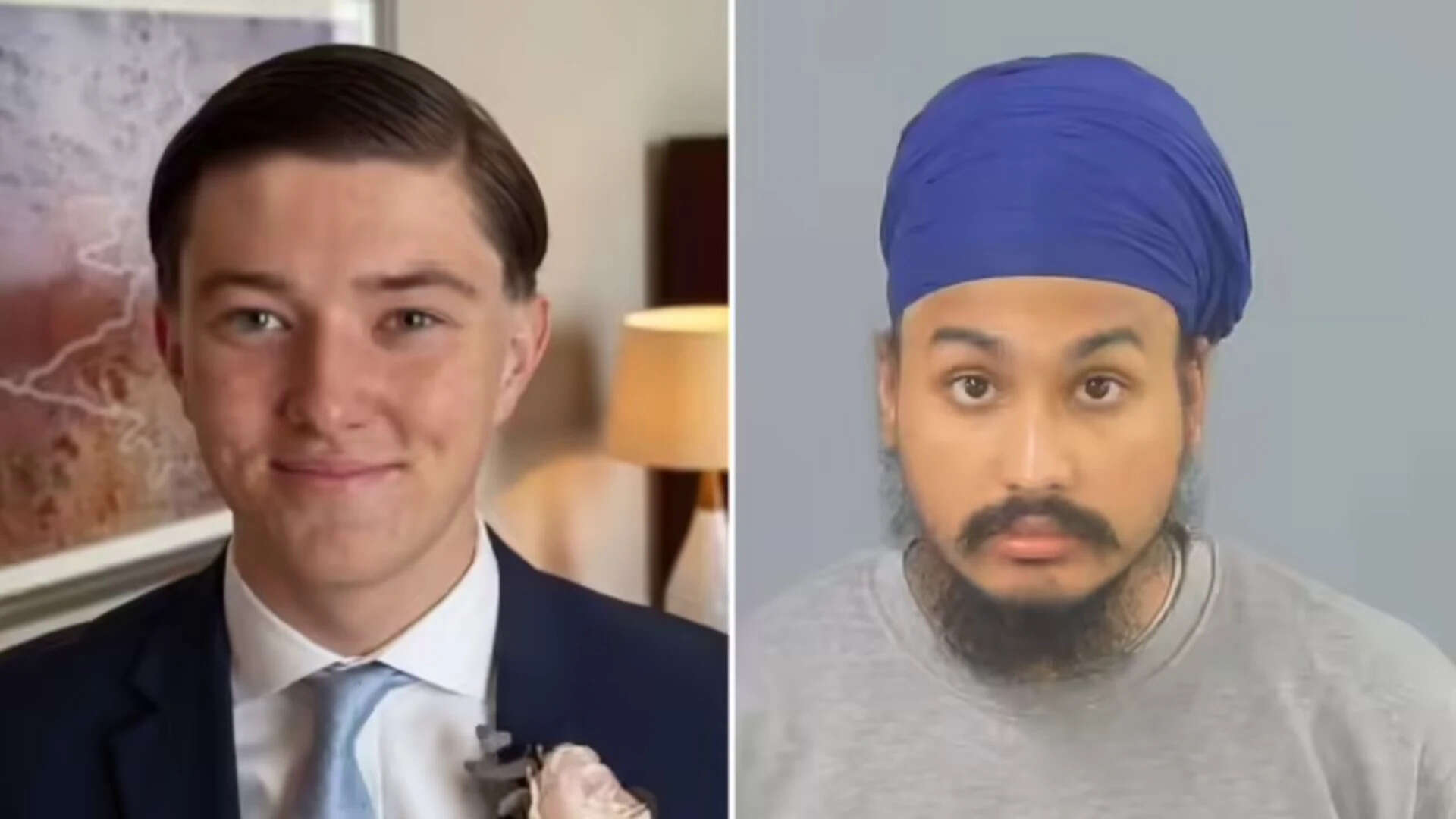
Imagine lying on the freezing pavement, gasping for your last breaths, and telling the people sent to protect you that you have been stabbed. Instead of getting medical help, you get metal cuffs slammed around your wrists. You are told you are under arrest. This isn't a scene from a dystopian movie. It is exactly what happened to 18-year-old university student Henry Nowak on Belmont Road in Southampton.
The recent release of the full Crown Prosecution Service bodycam transcript details a brutal reality. It took Hampshire Police officers nearly eight minutes to find the fatal stab wound on the dying teenager. Why? Because they chose to believe the frantic, fabricated lies of his killer, 23-year-old Vickrum Digwa.
This case isn't just about a horrific crime. It exposes how easily emergency responses can be manipulated, and how quickly institutional assumptions can override clear, physical evidence.
The Fatal Deception on Belmont Road
On December 3, 2025, Henry Nowak was walking home after a night out with his university football team. He was a first-year accounting and finance student, a dual British-Polish citizen who worked part-time at Morrisons. By all accounts, he was a well-liked young man with a bright future.
He crossed paths with Vickrum Digwa. Digwa was carrying a 21-centimeter dagger. While Digwa wore a small ceremonial kirpan around his neck to fulfill his religious obligations as a Sikh, he had also chosen to arm himself with a massive, lethal blade. When Nowak questioned him about the weapon, an altercation began. Digwa stabbed the unarmed teenager five times.
What happened next is a masterclass in criminal manipulation. Instead of calling for help, Digwa pulled out his phone and filmed Nowak as he bled on the ground. Then his brother called 999, spinning a fictional narrative. Digwa claimed he was the victim of a vicious, racially motivated assault. He claimed Nowak had knocked off his turban and hurled racial slurs.
When officers arrived, they didn't see a victim and a suspect. They saw a reported hate crime. They took Digwa's word as absolute truth.
Anatomy of an Eight Minute Failure
The transcript of the police bodycam footage shows a painful, minute-by-minute breakdown of how bias shifts focus away from life-saving care.
When officers walked up to the scene, Nowak was already on the ground, struggling. He managed to say four words that should have changed everything: "I've been stabbed."
The response from the initial officer on the scene was dismissive. "You've been stabbed? Whereabouts? Don't think you have, mate."
Instead of checking him for wounds, officers put Nowak in handcuffs. They told him he was under arrest for assault. Digwa stood nearby, complaining about a swollen eye, acting the part of the aggrieved victim. His mother, Kiran Kaur, had already arrived and removed the murder weapon from the scene. The police were completely blind to the staging happening right in front of them.
At three minutes and five seconds into the recording, the atmosphere shifted. An officer realized Nowak's condition was spiraling. "I'm not sure he's breathing," the officer noted. The cuffs finally came off, and CPR began.
Even then, the focus remained skewed. Officers spent minutes performing chest compressions without understanding the nature of the injury. Between five minutes and twenty-four seconds and seven minutes and thirty-three seconds, a female officer finally asked for a torch and scissors. She wanted to check if he had actually been stabbed.
When she cut away his clothing, the reality hit them. Seven minutes and thirty-three seconds had passed.
"Yes, he's got a stab there's a mark there," she said.
The first officer's response captured the immediate panic: "That makes it worse. He's got a stab… I'm pushing on a stab wound."
By the time paramedics arrived at the eight-minute mark, Nowak was slipping away. He was pronounced dead at the scene shortly after. A pathologist later testified that the internal bleeding was so severe that even immediate medical care might not have saved him. But that doesn't excuse the degradation of his final moments. He died handcuffed, dismissed, and treated as a violent criminal.
Weapon Obsession and the Trial Verdict
The trial at Southampton Crown Court exposed Digwa's dark fixation. The prosecution painted a picture of a man obsessed with violence. He trained with weapons. He slept with weapons. His phone history was packed with searches for knives and daggers. He was not a terrified victim protecting his religious dignity. He was a volatile individual looking for an excuse to use a blade.
The judge, Justice Mousley, didn't hold back during sentencing. He told Digwa that he had brought shame on his family, his community, and his religion. He noted that Digwa's actions actively stirred up racial tensions, creating unnecessary fear for the wider Sikh community who use ceremonial items peacefully.
On May 28, 2026, a jury found Digwa guilty of murder. On June 1, he was sentenced to life with a minimum of 21 years. His mother was convicted of assisting an offender for hiding the dagger.
Yet, the legal battle isn't over. The Solicitor General referred Digwa's sentence to the Court of Appeal under the Unduly Lenient Sentence scheme. There is a strong public belief that 21 years is far too short for a murder compounded by such malicious obstruction of justice.
What Needs to Change Right Now
This tragedy has forced a brutal conversation about how police assess scenes. When an emergency call involves allegations of hate speech or racial profiling, officers frequently arrive with heightened sensitivity. In this case, that sensitivity created a dangerous tunnel vision. They focused entirely on the alleged racial grievance and completely ignored the physical reality of a dying teenager.
Hampshire and Isle of Wight Constabulary issued an apology. The Independent Office for Police Conduct opened an investigation. But apologies don't change systemic habits.
First, physical assessment must always take priority over verbal narratives. If a person on the ground says they are stabbed, you check for blood before you reach for handcuffs. Verbal claims of an assault should never override an immediate medical evaluation of someone unable to stand.
Second, the use of handcuffs on individuals showing clear signs of medical distress needs stricter regulation. Nowak told officers he could not breathe. His pupils were unresponsive. Treating a dying person as a non-compliant suspect is a failure of basic human empathy.
The public anger surrounding this case is entirely justified. A protest in Southampton turned violent, showing how deeply this institutional failure has shaken community trust.
If you want to ensure this doesn't happen again, pressure needs to be placed on local policing authorities to reform their initial response protocols. Watch the public updates from the Independent Office for Police Conduct investigation. Write to your local representatives regarding the review of police training on medical triage during arrests. Do let this story fade into another statistic. Demand accountability for Henry Nowak.