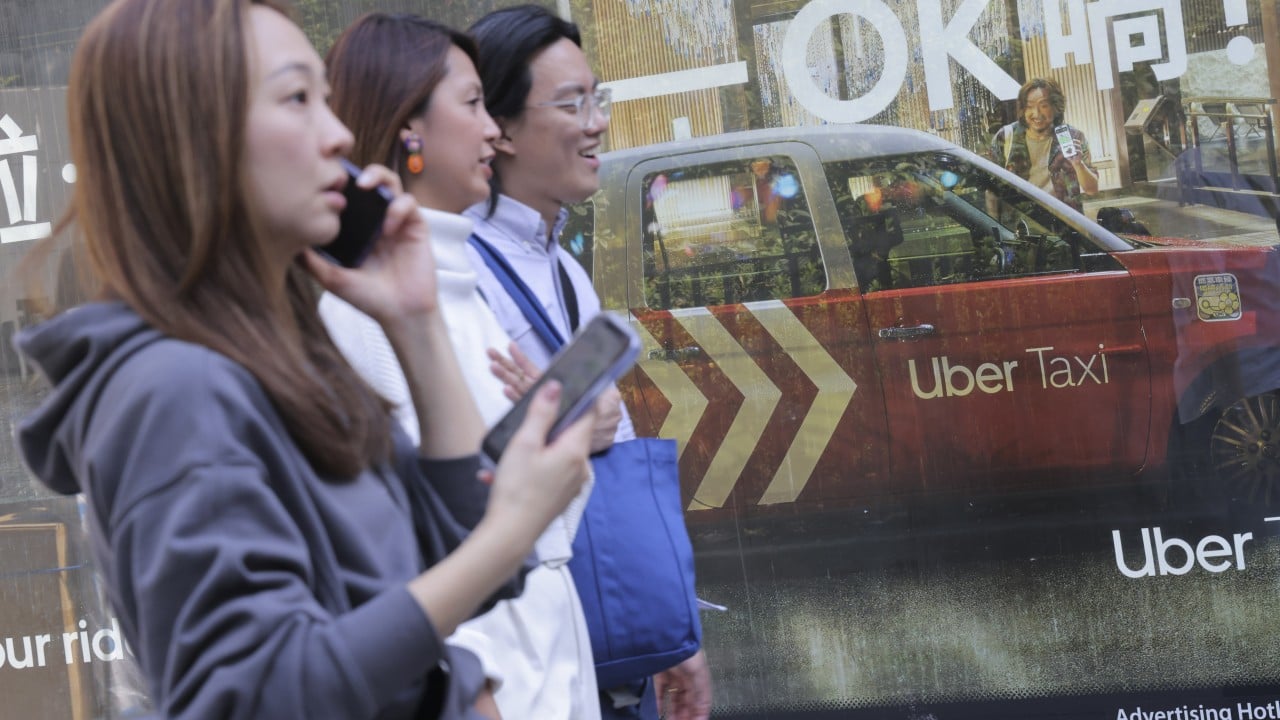
Hong Kong is finally rewriting its transport rulebook. For over a decade, apps like Uber have operated in a legal grey zone while traditional taxi syndicates guarded their turf with fierce political lobbying. Now, the administration plans to register tech platforms this quarter and issue the first batch of driver permits by late November. Regulated services are scheduled to roll out in December.
Yet, as the government scrambles to impose fixed quotas and balance entrenched interests, it keeps missing the loudest voice in the room: the everyday commuter. In related updates, read about: Why 45 Percent Of Indian Exports Are Dodging The New Us Tariffs.
If you live here, you already know why this matters. You've stood in the rain watching empty cabs flash their "For Hire" signs and drive past because they do not like your destination. You've dealt with confusing language barriers or drivers who refuse electronic payments. The public did not embrace ride-hailing because they wanted to disrupt the status quo. They embraced it because traditional services failed to meet basic modern standards.
The Broken Math Behind Fixed Quotas
The government wants to cap the initial rollout at 10,000 driver permits for individual vehicle owners. Bureaucrats love neat numbers. Markets do not care about neat numbers. The Economist has provided coverage on this important topic in great detail.
Transport data shows that urban passenger demand swings by up to 66 percent between peak and off-peak hours. Furthermore, roughly 90 percent of ride-hailing drivers work part-time schedules to supplement their incomes, and annual driver attrition at major platforms hovers near 44 percent.
How can a static quota accommodate numbers like that? It cannot.
If you set the cap too low, you create severe supply shortages during rush hour, driving prices up and leaving commuters stranded. If you set it too high, you invite market chaos during quiet hours. Officials are trying to engineer an equilibrium in a sector they have never formally measured.
Vested Interests Versus Everyday Reality
Let's be honest about who drives the resistance. Hong Kong has roughly 18,000 licensed taxis controlled by about 9,000 licence holders and corporate fleets. However, the roughly 40,000 active taxi drivers do not own these permits. They rent their cabs on a shift basis, absorbing fuel costs and high rental fees while enduring long hours.
Up to now, vehicle owners and drivers have marched in lockstep to protect the old system. But the upcoming regulatory shift could crack that alliance. Many drivers are starting to wonder why they should keep renting when individual permit pathways offer a chance to own their work.
When the administration finalized its timeline for platform registrations and driver permits, it tried to appease the taxi lobby by promising protection. That approach ignores a fundamental truth. Consumers have voted with their smartphones.
What Commuters Actually Want
Ask any resident why they bypass the taxi rank for an app, and you will hear a consistent list of grievances.
- Upfront pricing that removes guesswork and prevents drivers from taking deliberate detours.
- Seamless digital payments that eliminate awkward cash exchanges.
- Real-time GPS tracking that lets you share your exact route with family members for peace of mind.
- Accountability mechanisms where poor service ratings have actual consequences.
Technology changes consumer expectations permanently. Just as nobody expects commuters to revert to using pagers or hailing cabs with physical whistles, you cannot force people back into an inferior transport experience simply because legacy operators dislike competition.
The Path Forward for Hong Kong
The administration faces a stark choice. It can treat the upcoming December rollout as a bureaucratic exercise in managing taxi lobby complaints, or it can design a flexible framework that responds to real-time travel patterns.
If permit quotas remain rigid, public backlash is guaranteed. Commuters will not tolerate a system that protects obsolete business models at the expense of urban mobility. The government needs to build flexibility into the daily permit and registration regime, allowing supply to scale dynamically with actual demand.
The public voice is simple, clear, and entirely pragmatic. Build a transport network that actually works for the people using it every single day.