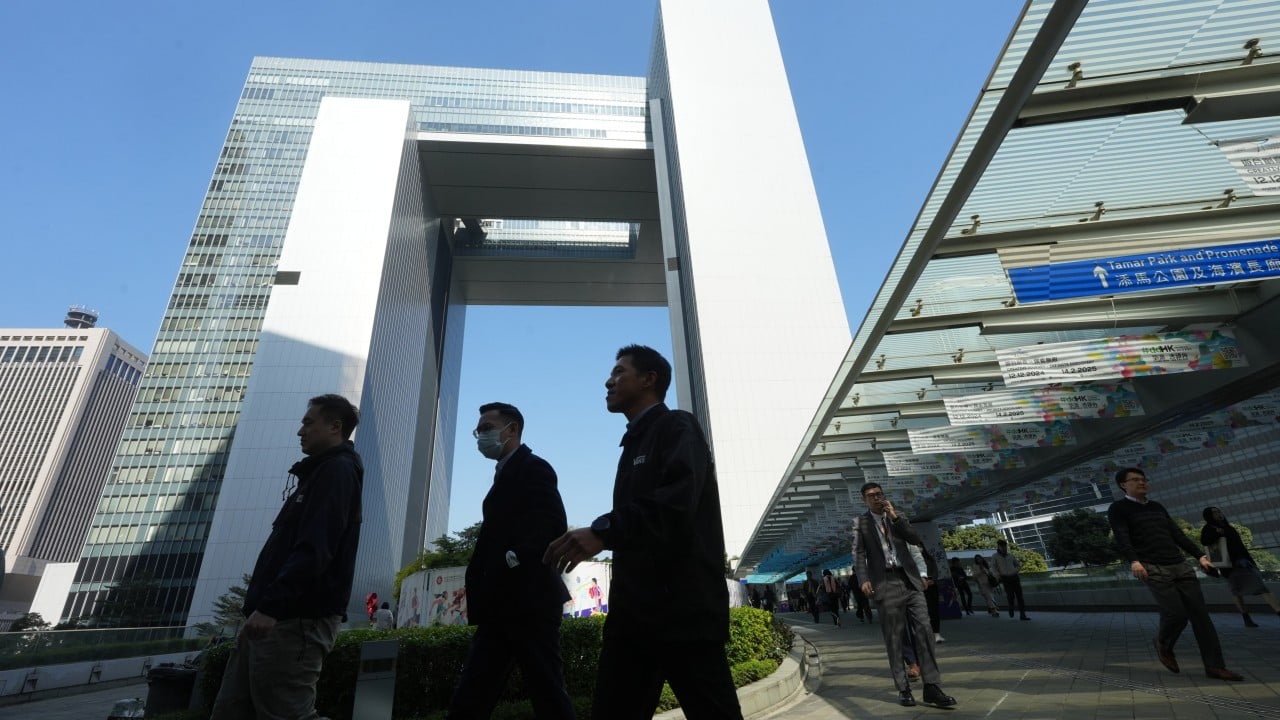
Hong Kong is quietly losing the brains behind its public policy. Thirty-six elite administrative officers walked out the door during the past financial year, a sharp one-third jump compared to previous periods. When you realize the entire administrative officer grade holds just 755 people, that departure rate stops being a standard HR metric. It becomes a systemic crisis.
These individuals aren't typical paper-pushers. Administrative officers, or AOs, are the core machinery of the government. They rotate through different bureaus every few years, managing multi-billion-dollar budgets, designing public housing strategies, and handling tricky legislative debates. When dozens of them resign at once, decades of institutional knowledge vanish with them. You might also find this related article useful: Why The Latest Red Sea Cargo Ship Attack Proves The Crisis Is Far From Over.
The traditional pitch for joining the elite civil service used to be an easy sell. You got high pay, unmatched job security, and the chance to actually run the city. Today, that pitch is falling flat. If the administration wants to keep the city running efficiently, it has to completely rethink how it hires, trains, and retains its top tier.
The Changing Reality of Being a Top Official
The job of an administrative officer doesn't look like it did a decade ago. Historically, AOs operated with a high degree of bureaucratic autonomy. They were neutral administrators who implemented policy based on data, economic projections, and established civil procedures. As discussed in detailed articles by Wikipedia, the results are worth noting.
That dynamic shifted permanently. Now, an elite bureaucrat has to balance intricate local political dynamics, intense public scrutiny on social media, and strict accountability requirements. Every major policy decision undergoes immense pressure from multiple sides.
AOs find themselves caught in the middle. They are expected to deliver rapid, flawless solutions to deeply entrenched societal problems like housing shortages and healthcare wait times, while navigating an increasingly complex legal and regulatory framework. The sheer administrative friction makes the private sector look incredibly attractive.
Why Private Firms Are Winning the Talent War
Corporations, tech firms, and massive family offices in Hong Kong are watching this talent drain with delight. They know exactly how capable these officers are. To survive the rigorous AO selection process, an applicant has to outlast thousands of others in brutal written exams and grueling panel interviews. They possess exceptional analytical skills and know how to manage massive organizations.
The private sector offers things the government simply can't match right now.
- Faster career progression: In the civil service, you wait your turn. Promotions are often tied to seniority and rigid grade structures. In a multinational firm, a high performer can jump multiple steps in a couple of years.
- Less public exposure: If a corporate project fails, the public doesn't scream for your resignation on talk radio. For civil servants, public criticism is an everyday reality.
- Modern workplace flexibility: Government offices still run on traditional hierarchies and massive paper trails. Tech companies and financial institutions offer remote work options and agile working styles that appeal directly to younger professionals.
When a senior executive at a private bank can make double the salary with half the public headache, staying in government becomes a tough argument to make.
The Flaw in the Current Joint Recruitment Examination
Every year, thousands of hopeful graduates sit for the Joint Recruitment Examination. The government often points to these high application numbers as proof that the civil service remains a highly desirable career. For instance, recent recruitment drives attracted over twelve thousand applicants for just fifty administrative officer slots.
That number is incredibly misleading. High application volume does not mean you are attracting or selecting the right people for the modern era.
The current examination system relies heavily on standardized three-hour essay tests that assess English and Chinese analytical writing. While testing basic cognitive ability and policy analysis is fine, it tells you absolutely nothing about a candidate's emotional resilience, crisis management skills, or ability to adapt to sudden political changes. The current process tests for compliance and academic writing, not real-world leadership.
How to Fix the Talent Pipeline Right Now
If the government wants to stop the bleeding, it needs to throw out the colonial-era recruitment playbook. Here is what an actual, modernized hiring strategy should look like.
Open the Mid-Career Lateral Entry Door
Right now, the civil service is an insulated ecosystem. You almost always enter at the bottom as a fresh graduate and work your way up over thirty years. This structure needs to break. The government should actively recruit mid-career professionals from logistics, technology, and finance directly into senior administrative officer roles. Bringing in outside perspectives would instantly modernize policy design.
Restructure the Pay and Bonus Incentives
Civil service pay is famously high at the entry level, but it plateaus compared to top-tier corporate roles at the executive level. The government needs to introduce flexible, performance-based bonuses for project milestones. If an administrative officer successfully delivers a massive infrastructure project ahead of schedule and under budget, their compensation should reflect that achievement.
Provide Modern Crisis and Stress Management Training
We expect these individuals to handle immense public pressure without giving them the psychological tools to cope. Elite corporate structures invest heavily in executive coaching and stress resilience. The civil service needs to treat its officers like high-performance corporate assets, providing real mental support instead of just piling on more compliance paperwork.
What Happens if Nothing Changes
Ignoring this trend will cause a slow, painful decline in the quality of Hong Kong's public administration. When the top tier thins out, policy decisions take longer to implement. Bureaucracies become more risk-averse because inexperienced officers are terrified of making mistakes.
The city cannot afford a hesitant, understaffed government machinery. The challenges facing Hong Kong require bold, decisive action from brilliant minds. If the elite civil service continues to lose its best people to private firms, the entire city pays the price through slower public services, poorly designed regulations, and a general stagnation in governance.
Actionable Steps for Civil Service Reformers
Fixing this crisis requires immediate structural changes to the bureaucratic framework.
- Audit the departure reasons: Conduct independent, anonymous exit interviews with the thirty-six officers who left to pinpoint the exact friction points in current bureaus.
- Shorten the promotion timeline: Create a fast-track pathway specifically for high-performing junior administrative officers to reach directorate levels within seven years instead of fifteen.
- Modernize the examination format: Replace portions of the written essay exam with live, situational crisis simulations to evaluate how candidates handle real-time pressure and media scrutiny.
- Launch a private sector exchange program: Allow mid-level administrative officers to take two-year secondments at global commercial entities to learn modern management practices before returning to government service.