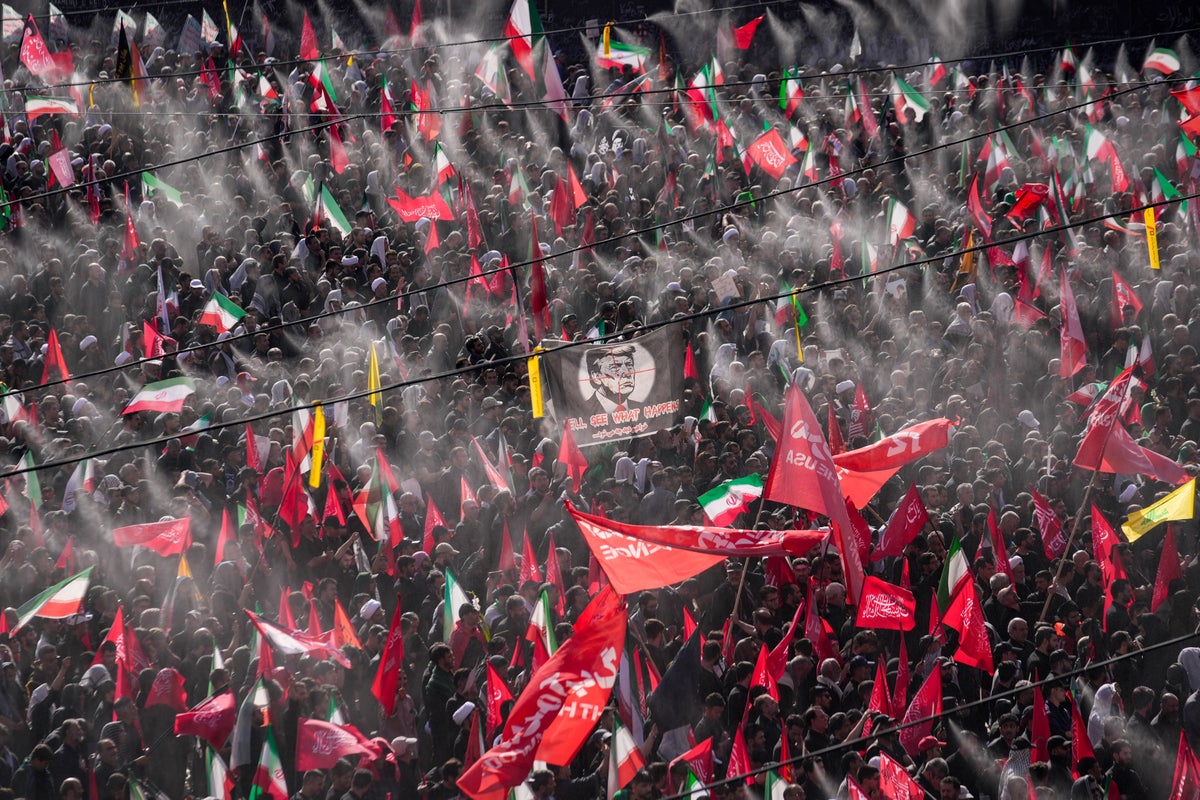
Geopolitics doesn't reward performative diplomacy. For weeks, Islamabad has actively advertised its role as a bridge between the United States and Iran, positioning itself as a central player in resolving West Asia's complex security puzzle. Turkey’s Recep Tayyip Erdoğan even threw some rhetorical support behind the initiative. Yet, when asked whether New Delhi needs to replicate this strategy, India’s strategic community delivered a blunt answer: absolutely not.
Speaking at the World Peace Forum hosted by Tsinghua University in Beijing, Indian Ambassador to China Vikram Doraiswami shattered the narrative that India needs to mimic Pakistan’s frantic foreign policy maneuvering. His argument was refreshing, sharp, and intensely realistic. New Delhi isn't in the business of entering crowded fields just for a superficial photo-op, especially when its global economic and strategic footprint already operates on a completely different plane.
The Packed Arena of West Asian Diplomacy
Entering an ongoing diplomatic crisis as a mediator only works if your presence changes the math. Right now, the diplomatic corridor dealing with Iran is jammed. Multiple global heavyweights are already trying to manage the fallout of the current West Asia crisis.
[Global Power Brokers] ──> [ Iran Crisis ] <── [ Regional Actors ]
When you look at the landscape, it's clear why India isn't jumping in. China has its own deep-seated economic and strategic interests with Tehran and has previously brokered regional thaws, like the Saudi-Iran deal. European nations are constantly testing the diplomatic waters. Russia remains deeply integrated into Iran's strategic calculus.
What benefit does India get by throwing its hat into that specific ring? None.
Doraiswami made it clear that individual nations must decide if a mediatory role adds tangible value to their larger national position. For India, it doesn't. New Delhi has handled diplomatic heavy lifting in the past when the situation required it, but today’s West Asian crisis doesn't need another self-appointed peace broker.
Why Comparing New Delhi to Islamabad Is a Flawed Metaphor
A major point of contention at the Beijing forum was the lazy habit of some regional commentators to view South Asian foreign policy through a hyphenated India-Pakistan lens. That framework is dead.
The economic realities of the two nations tell the entire story. While Pakistan seeks diplomatic relevance to balance its domestic economic vulnerabilities, India’s economic integration with the world runs deep. We are looking at a country with massive trade ties across ASEAN, expansive defense and tech partnerships with European states, and an economy structurally intertwined with the global market.
It is completely unfair to compare the diplomatic goals of a multi-trillion-dollar economic engine with a neighbor operating under entirely different fiscal pressures. Islamabad might feel the need to use mediation as a tool to gain leverage or secure international goodwill. India doesn't need to use those cards. Its position in the global system is already secure.
The Strategic Alignment Between New Delhi and Beijing
Interestingly, India’s approach to the current global flashpoints mirrors China's behavior more than anyone else's. Despite their tense bilateral relationship along the Line of Actual Control, both major Asian powers have chosen a highly calculated, hands-off approach to direct mediation in recent global conflicts.
- The Iran Crisis: Neither country is rushing to act as the primary intermediary between Washington and Tehran.
- The Ukraine Conflict: Despite pressure from various Western capitals to actively broker peace, both New Delhi and Beijing have kept their roles restricted to back-channel dialogue and humanitarian appeals.
This isn't an accident. It's the hallmark of major powers that understand the limits of mediation. When a conflict involves deeply entrenched ideological and security interests, a mediator often ends up absorbing the blame from both sides when things go sideways. By maintaining strategic autonomy, India avoids the geopolitical traps that catch eager, mid-tier states trying to punch above their weight.
Real Leadership Beyond the Peace Broker Trope
True global leadership isn't measured by how many peace agreements you try to sign. It's measured by what a country actually contributes to the global architecture on a daily basis.
Prime Minister Narendra Modi recently pointed out a prime example of this: navigating the intense trade and energy disruptions caused by the Hormuz crisis. Instead of posturing at the diplomatic table, India quietly expanded and diversified its energy imports, stabilized its supply chains, and ensured that the economic burden on its citizens remained minimal.
India secures global shipping lanes, acts as a first responder during regional humanitarian disasters, and builds critical infrastructure across Global South nations. That is tangible, real-world utility. Trying to play the role of a political therapist for Washington and Tehran simply doesn't move the needle for India’s national interest.
Next Steps for India's Foreign Policy
Don't expect India to change its stance anytime soon. If you want to understand where New Delhi's diplomatic focus is actually heading, watch these spaces:
- Strengthening Minilateralism: Look for India to double down on targeted partnerships like the I2U2 (India, Israel, UAE, USA) and the India-Middle East-Europe Economic Corridor (IMEC) rather than broad, idealistic mediation efforts.
- Securing Maritime Trade: Expect increased naval deployments in the Western Indian Ocean to protect commercial shipping, showing leadership through security rather than rhetoric.
- Strategic Autonomy over Alliance: New Delhi will continue to talk to both Moscow and Washington, Riyadh and Tehran, without ever becoming an official messenger for either side.