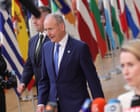
Dublin Castle looks great on television. The flags are flying, the security cordons are tight, and European leaders are filing into the historic state rooms. Today marks the official opening ceremony as Ireland assumes the rotating six-month presidency of the Council of the European Union.
It's easy to dismiss this as mere political theater. Every six months, a different capital gets its turn to hold the gavel, host dinner parties, and photo-op the world to death. But beneath the handshakes and the carefully managed optics in Dublin, the reality is stark. The next six months will test Irish diplomacy like never before.
The continent is facing massive structural challenges. This isn't 2013, the last time Ireland held the chair. The agenda is packed, messy, and urgent.
Big Guests and Even Bigger Expectations
The opening ceremony isn't just a local party. Ukrainian President Volodymyr Zelensky landed at Casement Aerodrome in Baldonnel to stand alongside Taoiseach Micheál Martin and European Council President António Costa. Raising the Ukrainian flag in Dublin Castle sends a loud message, but the symbolism won't fix the real issue. Ireland is now responsible for steering critical talks on Russian sanctions and mapping out the expansion of the bloc.
Micheál Martin recently noted that Ukraine could technically join the union while still fighting a war, though he emphasized it's a merit-based process. That statement raises some massive eyebrows across other member states. Finding a consensus among 27 countries with wildly different economic interests is notoriously difficult.
The main priorities for this term boil down to three things:
- Securing the next multi-year EU budget (2028-2034)
- Boosting economic competitiveness
- Handling expansion talks with Ukraine and Moldova
Getting 27 nations to agree on a long-term budget is a nightmare during stable times. Doing it now requires a level of diplomatic grit that will stretch Ireland's team to its absolute limit.
The Elephant in the Tech Room
You can't talk about Ireland's role in Europe without talking about Dublin's relationship with Silicon Valley. Critics are already asking uncomfortable questions about Ireland's credibility here.
Dublin is the European headquarters for almost every major American tech giant. For years, the Irish government protected these firms with favorable tax structures and a notoriously light touch on data privacy regulation. Now, Ireland has to oversee the implementation of sweeping European digital laws and artificial intelligence regulations.
It's an awkward conflict of interest. Can a country so dependent on American tech corporate tax receipts truly act as an impartial referee for the continent? European regulators in Brussels are watching closely. If Dublin hesitates to enforce tough standards on its corporate residents, the credibility of this entire six-month term takes a hit.
Summer Chaos on the Borders
While politicians chat in Dublin, everyday Europeans are dealing with a logistical disaster. Airlines and airport groups are currently pleading with the European Commission to suspend the new biometric border check system.
The timing couldn't be worse. It's peak summer travel season, and the system is causing massive bottlenecks. Some planes are taking off half-empty because passengers are stuck in five-hour queues at border control. Border facilities simply can't process people fast enough.
It's a practical mess that falls squarely into the lap of the incoming presidency. Ireland needs to coordinate a quick response between member states to prevent a total summer travel meltdown, demonstrating whether its diplomats can handle immediate logistical crises alongside long-term policy goals.
What This Means for You
The decisions made over the next six months will directly impact businesses and individuals across the continent. If you operate a business that relies on cross-border European trade or digital services, you need to stay ahead of the changing regulatory landscape.
Keep a close eye on the draft versions of the 2028-2034 budget. The funding allocations will reveal exactly where European investment is headed, particularly in technology and green energy infrastructure. Ensure your data compliance strategies are prepared for stricter AI and digital regulations as enforcement mechanisms take shape under the Irish chair. Finally, monitor the ongoing border system disputes before booking any corporate summer travel, as peak-season delays show no immediate signs of clearing up.