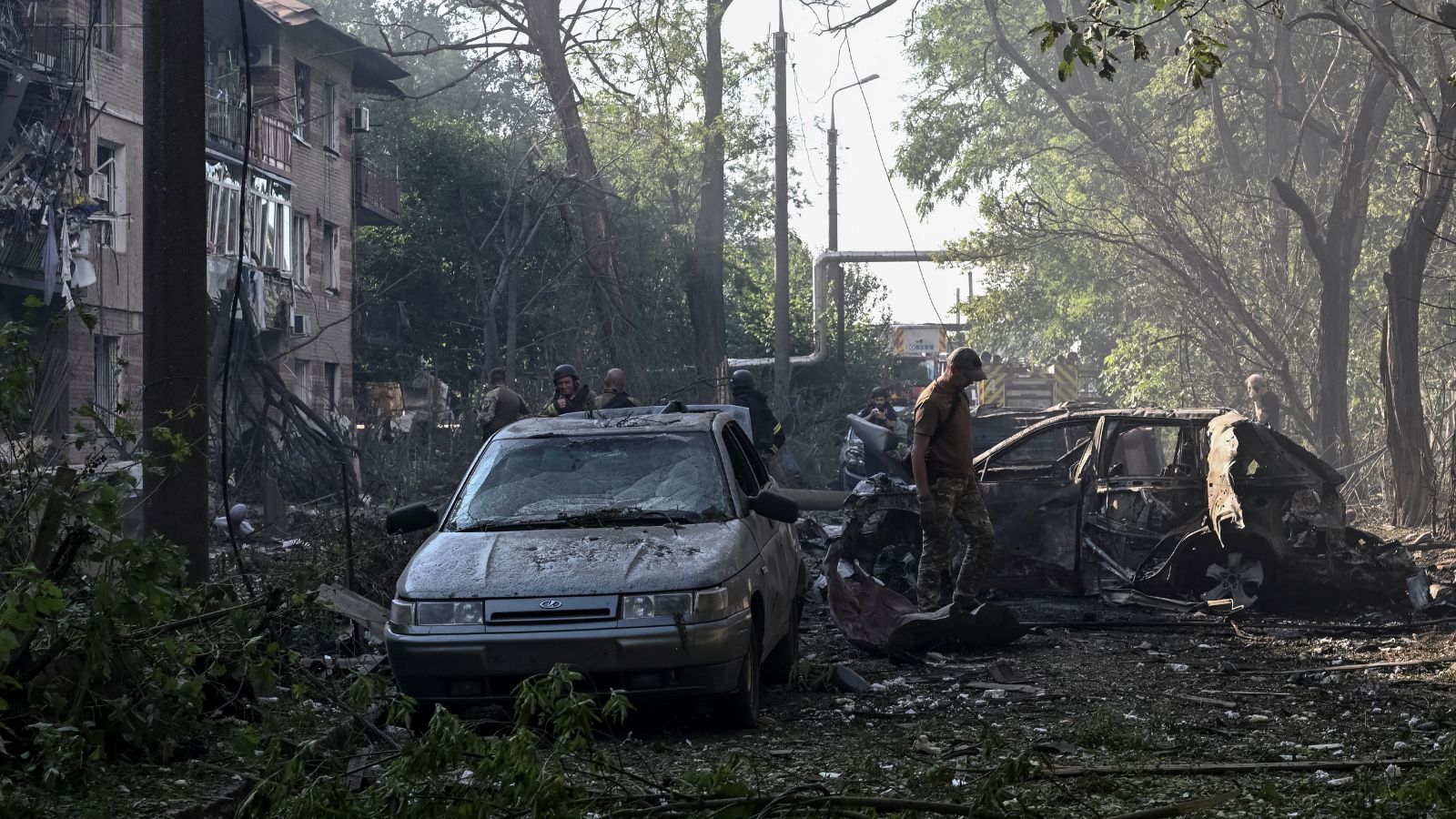
The security situation along Pakistan's western border is spiraling. On July 15, 2026, two coordinated terrorist attacks in NW Pakistan left three police officers dead and 34 others wounded in Khyber Pakhtunkhwa. These were not random acts of hit-and-run violence. They represent a targeted, deliberate effort to dismantle local law enforcement.
If you have been keeping an eye on the region, you know this is part of a much larger, uglier picture. Earlier this year, a full-scale border conflict erupted between Pakistan and Afghanistan. Since then, local police officers have found themselves on the absolute front line of a brutal proxy war.
Here is what actually happened on the ground, why the current defensive strategies are failing, and what this means for the stability of the entire region.
Inside the Attacks in Lower Dir and Bannu
These twin assaults occurred in different districts of Khyber Pakhtunkhwa, but they shared a clear strategic goal: to overwhelm the state's security apparatus.
The Ambush at Ladam Top
In the Lower Dir district, a police convoy was moving through a mountainous area near Ladam Top at Haider. Attackers lay in wait. They did not just open fire; they initiated the ambush by hurling hand grenades directly into the convoy.
Once the initial explosions disoriented the officers, the militants opened up with heavy automatic weapons. During the chaos, they managed to set two police vehicles on fire. Three police officers died on the spot. Nineteen others were injured, some fighting for their lives in nearby hospitals.
The Standoff at Miryan Police Station
Meanwhile, in the Bannu district, militants attempted a massive suicide attack on the Miryan Police Station. They packed a vehicle with explosives and tried to ram it directly into the building.
The plan failed because of the quick instincts of the guards on duty. Backed by security forces, the police spotted the approaching vehicle and opened fire, detonating the car bomb before it could reach the gates.
A fierce gun battle followed. The remaining attackers tried to storm the station, but police pushed them back. Four militants were killed in the shootout. However, the victory came at a high cost. Fifteen police officers were injured, with 10 of them critically wounded and rushed to Peshawar for emergency specialist care.
Why the Police Are the Main Target
Historically, militant groups like the Tehreek-e-Taliban Pakistan (TTP) and the Hafiz Gul Bahadur Group targeted military outposts or civilian crowds to maximize shock value. That has changed.
Now, the police are the primary target.
Why? Because they are the softest underbelly of the state.
- Poor Equipment: While the military gets armored vehicles and heavy weaponry, local police forces are often left with basic assault rifles, aging protective gear, and unarmored transport trucks.
- Lack of Intelligence Integration: Local stations often operate in silos. They do not get real-time military intelligence, leaving them blind to incoming threats.
- Sustained Presence: The military can clear an area and retreat to secure bases. The police must live and work in the community, making them permanent, highly visible targets.
This is a deliberate campaign to erode public trust. If the police cannot protect their own stations, how can they protect the average citizen?
The Broader Border Crisis and the Afghan Connection
You cannot analyze these attacks without looking at the bigger picture. In late February 2026, Pakistan launched airstrikes inside Afghanistan, targeting TTP hideouts. This sparked a month-long border war between the two nations.
Islamabad accuses the Afghan Taliban of giving safe haven to these militants. Kabul denies this, pointing to the high civilian toll of Pakistani airstrikes.
Because the Pakistani military has tightened security along the formal border crossings, militant groups have adapted. Instead of attempting massive cross-border raids against heavily fortified military bases, they have activated sleeper cells inside the settled districts of Khyber Pakhtunkhwa to attack local law enforcement.
Moving Beyond Simple Search Operations
Whenever an attack like this happens, the response from official channels is completely predictable. The police cordon off the area, launch a "search operation," and issue a press release promising to find the perpetrators.
These search operations rarely yield long-term results. The militants simply melt back into the local population or escape into the rugged tribal terrain.
If Pakistan wants to stop this cycle, it needs to completely rewrite its domestic security strategy.
1. Hardening Local Police Infrastructure
Police stations in high-risk districts like Bannu, Dera Ismail Khan, and Tank need immediate physical upgrades. They require reinforced perimeter walls, blast-resistant barriers, and elevated watchtowers equipped with thermal imaging. The fact that militants can still drive vehicle-borne improvised explosive devices (VBIEDs) close to a police station entrance is a major defensive failure.
2. Immediate Tactical Re-equipping
The provincial government must prioritize the procurement of light armored vehicles for regular police patrols. Expecting officers to patrol high-risk transit routes like Ladam Top in soft-skinned trucks is simply sending them to their deaths.
3. De-escalating Local Grievances
Militant groups thrive in areas where the local population feels abandoned by the federal government. High inflation, unemployment, and displacement from previous military operations have created a fertile recruiting ground. Security measures must go hand-in-hand with economic development and local political empowerment.
The latest attacks in Lower Dir and Bannu show that the security situation in northwestern Pakistan is not under control, despite official claims. Until the provincial and federal governments address the structural vulnerabilities of the police force, these officers will continue to pay the ultimate price on the front lines.