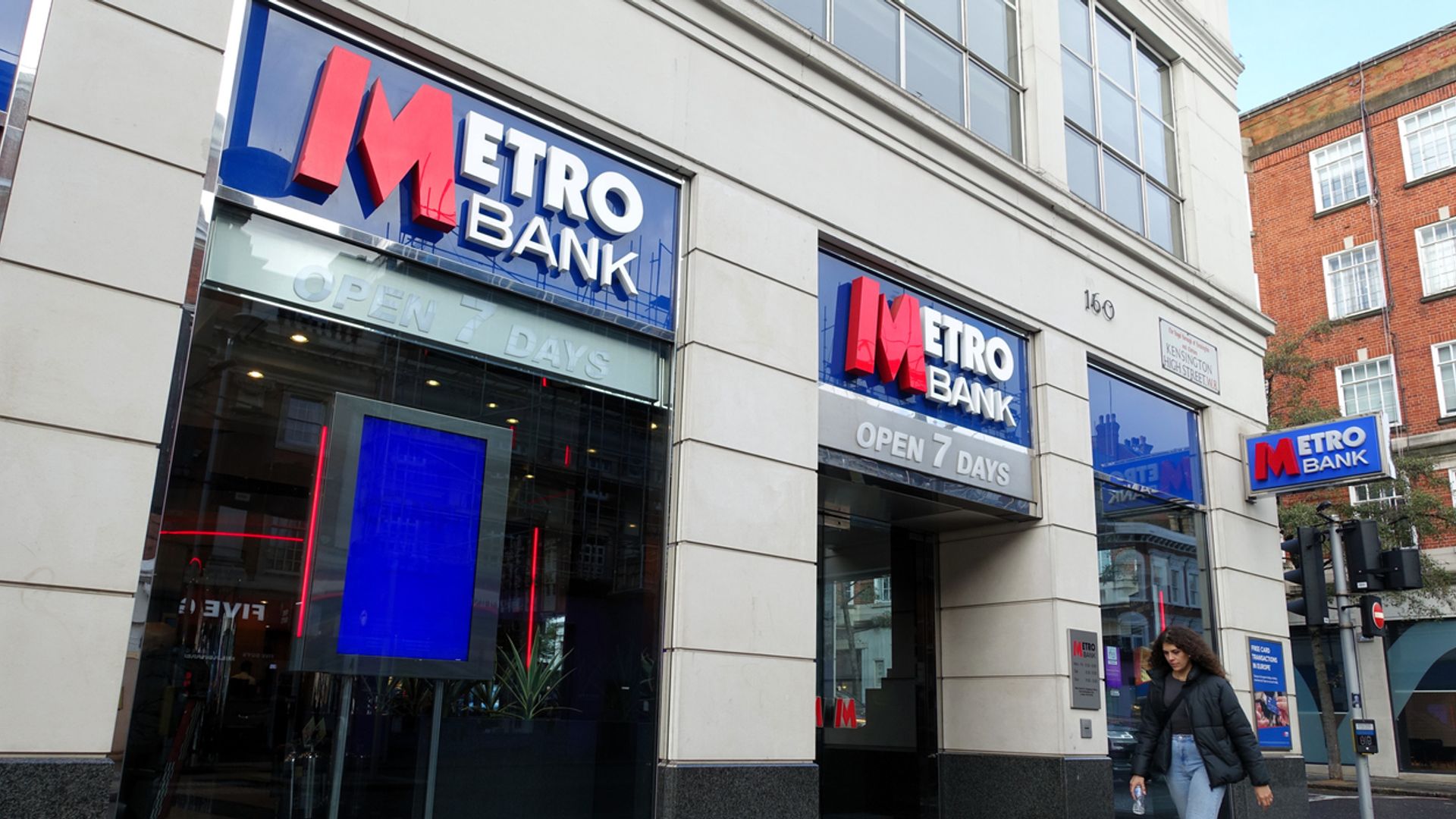
Metro Bank is considering a £2 billion merger with specialist lender Aldermore, and on paper, it looks like a classic move in corporate banking. Big challenger bank eyes smaller competitor, shares jump a few percentage points, and city analysts start running their spreadsheets. But if you look closer at why this transaction is happening right now, you see a much stranger story about forced selling, regulatory fallout, and the reality of UK banking.
FirstRand, the South African financial group that bought Aldermore for £1.1 billion back in 2017, didn't wake up one day wanting to dump its prized UK business. They were practically backed into a corner. You might also find this related coverage interesting: Why The Reshoring Push Isn't Actually Dismantling Global Trade.
The UK motor finance mis-selling scandal blew a massive hole in FirstRand's balance sheet, forcing the firm to set aside roughly £750 million to compensate customers. When a parent company faces a hit of that size, non-core overseas subsidiaries end up on the chopping block. FirstRand put Aldermore up for sale in April, creating an opening for anyone with enough capital or paper currency to jump in.
Metro Bank took the bait. While the early-stage discussions might not turn into a binding offer, Metro's interest reveals where CEO Daniel Frumkin wants to take the high-street brand. As extensively documented in recent coverage by Bloomberg, the effects are widespread.
The Reality Behind the Numbers
A £2 billion valuation for Aldermore isn't small change. For Metro Bank, taking on a firm of this size is a massive bet.
Metro Bank spent years recovering from its own capital reporting error in 2019, which wiped out market value and forced a series of costly restructurings. Buying Aldermore isn't just about expanding scale. It's about shifting the bank's core revenue engine away from expensive retail deposits toward higher-margin commercial loans and specialist mortgages.
Aldermore Sale Snapshot
------------------------------------------------
Owner:                     FirstRand Ltd
2017 Purchase Price:        £1.1 Billion
Reported Target Valuation:  £2.0 Billion
Driving Factor for Sale:    £750M Motor Finance Liability
Key Suitors:               Metro Bank, Lloyds, Shawbrook
Aldermore operates almost entirely as a digital and broker-led specialist lender, focusing on small business loans, buy-to-let property, and commercial mortgages. Metro Bank, on the other hand, built its entire brand identity around physical branches with long operating hours, dog treats at the counter, and instant debit card printing.
These two business models are polar opposites. Metro has deposit heavy, lower-yield assets tied up in high-cost branch infrastructure. Aldermore has lean operations with higher-yielding loan books. Slapping them together looks neat in an investment deck, but making them work under one roof is messy.
Why Big High Street Rivals Are Hovering
Metro Bank isn't the only bidder at the table. Reports indicate Lloyds Banking Group and Shawbrook Group are also examining the numbers.
If Lloyds steps in and buys Aldermore, it's a defensive play to crush a mid-tier competitor and swallow market share in small-business lending. If Shawbrook buys it, it's a classic consolidation between two specialist lenders doing essentially the same job.
For Metro Bank, though, this deal is defensive and offensive at once.
Without higher-yielding loan portfolios, pure-play branch networks struggle to keep up when interest rates shift. By plugging Aldermore's £15 billion-plus loan book into Metro's existing funding base, Metro could theoretically improve its interest margins overnight.
Doing so requires clear execution. Merging banking systems isn't like merging software accounts. It takes years of backend integration, regulatory approvals, and painful staff reductions.
The Motor Finance Trap
You can't talk about Aldermore without discussing the UK Financial Conduct Authority's crackdown on historical motor finance commission structures.
The FCA has been investigating discretionary commission arrangements where auto brokers and car dealers pushed higher interest rates onto unsuspecting car buyers to earn bigger payouts.
- The industry-wide compensation liability could top billions of pounds across major British lenders.
- FirstRand's £750 million set-aside highlights how severely motor finance claims hit balance sheets.
- Any buyer, including Metro Bank, has to insulate itself from ongoing legacy liabilities before signing a final deal.
If Metro Bank takes on Aldermore without bulletproof indemnities from FirstRand, they risk inheriting legal headaches that could haunt them for years.
What This Combination Actually Looks Like
Let's look at what a combined Metro-Aldermore entity creates in practice.
Metro Bank brings physical presence: roughly 75 high-street branches, a recognizable consumer brand, and billions in retail customer deposits. Aldermore brings specialist lending capability: deep relationships with mortgage brokers, asset finance specialists, and commercial property developers.
If you combine Metro's low-cost retail funding with Aldermore's higher-margin lending engine, the financial logic makes sense. You take cheap deposits gathered from branch customers and deploy them into 7% or 8% commercial loans. That's how banks generate serious returns.
Execution is where these deals break down. Cultural integration is a real hurdle. Metro's culture revolves around store-level customer experience and retail branch service. Aldermore operates out of corporate offices, dealing primarily through financial intermediaries and digital channels. Forcing these two corporate identities into one culture usually breeds internal friction.
What You Should Watch Next
If you hold Metro Bank stock, own Aldermore debt, or run a small business borrowing from either lender, keep your eyes on three specific triggers over the coming weeks.
- Formal Bid Announcement: Metro Bank's statement notes that discussions are exploratory. Watch for a formal Rule 2.7 announcement under the UK Takeover Code, which commits Metro to an actual offer price and terms.
- Indemnity Terms: Read the fine print regarding motor finance liabilities. If FirstRand agrees to retain all historical legal liabilities related to Aldermore's auto lending, the deal becomes far safer for Metro shareholders.
- Counter-Bids from Incumbents: Watch if Lloyds or Shawbrook submit a firm cash bid. Metro Bank's market cap sits far below the £2 billion price tag, meaning any purchase would require complex stock issuances or debt financing. A traditional giant like Lloyds can pay cash without blinking.
Pay close attention to regulatory sign-offs from the Prudential Regulation Authority (PRA) and the Competition and Markets Authority (CMA). Regulators will scrutinize capital adequacy ratios aggressively before letting Metro absorb an entity of Aldermore's size. Track regulatory filings closely over the next month to see if this deal moves from City rumor to completed transaction.