Basic training camps are petri dishes. Pack hundreds of teenagers into crowded barracks, exhaust them with brutal physical regimes, and strip away their sleep. Viruses love this. For decades, the Pentagon managed this obvious vulnerability with a simple, unyielding rule. Everyone gets the flu shot.
Then came April 2026.
Defense Secretary Pete Hegseth stood before a camera and announced an end to the mandatory seasonal flu vaccine for all military personnel. He called the rule absurd. He promised it would restore freedom to the joint force.
Two months later, reality caught up with the rhetoric.
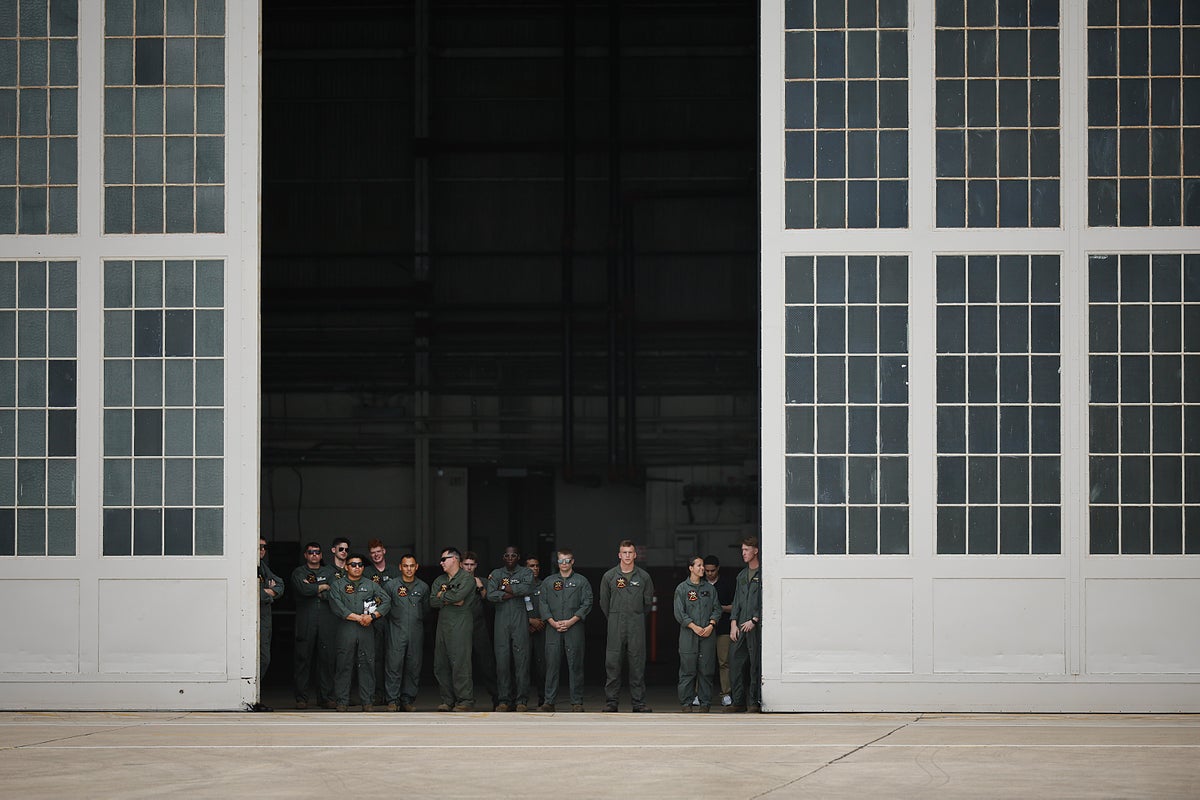
At Lackland Air Force Base in San Antonio, Texas, the policy change triggered a massive health crisis. More than 200 recruits fell sick in a sudden, aggressive influenza outbreak. Four ended up in the hospital. Tragically, a 25-year-old trainee died during the outbreak, and officials are investigating if the virus played a part.
The Air Force did not wait around for permission to fix the mess. They quietly brought the vaccine mandate back for all recruits at the base. It is a striking, immediate reversal that exposes the dangerous gap between political messaging and public health reality in a modern military.
When Personal Choice Meets Close Quarters
The numbers tell the whole story. Before Hegseth signed the April memorandum making the annual influenza shot voluntary, the vaccination rate among Air Force trainees sat near 100%. After the mandate disappeared, the opt-in rate plummeted to just 40%.
The drop-off happened almost instantly. Most 18 and 19-year-olds do not queue up for shots if they do not have to.
Predictably, the virus hit the remaining 60% with full force. Trainees sleep in bunk beds in open bays. They share meals at massive communal tables. They train in tight formations. If one person coughs, an entire platoon gets exposed.
When you drop herd immunity in an environment like Lackland, you invite disaster. Former military health officials pointed out that younger recruits lack immunity to many circulating strains simply because they have not lived long enough to encounter them. The universal mandate was not an overreaching rule. It was a shield for the whole group.
The Quiet Reversal and Localized Exemptions
By June 19, the situation at the 37th Training Wing grew so severe that military leadership had to bypass the overarching policy. Representative Joaquin Castro confirmed 222 documented cases of the flu among the airmen.
Pentagon Spokesperson Sean Parnell confirmed that Hegseth’s original directive included a clause for exceptions based on operational readiness. The Under Secretary of War for Personnel and Readiness quickly granted exemptions to the Air Force, Army, Navy, National Security Agency, and the Defense Health Agency.
Essentially, individual branches got the green light to bring back mandates where the risk was too high. The Air Force took that exit ramp immediately. Their current goal is to vaccinate every single recruit in the current class and every new arrival stepping off the bus in San Antonio.
Medical personnel are now scrambling. They are isolating symptomatic trainees, treating them with antiviral medications like Tamiflu, and tracking everyone who sat near them in the mess halls. It is an expensive, time-consuming logistical nightmare.
History Forbids Medical Shortcuts in the Ranks
Politicians like to treat vaccine mandates like a modern invention of the bureaucratic state. History says otherwise. The American military’s relationship with mandatory immunization dates back to the very beginning.
In 1777, General George Washington faced a smallpox epidemic that threatened to wipe out the Continental Army. He did not make the inoculation voluntary. He ordered mandatory smallpox inoculations for every soldier under his command because he knew disease killed more warriors than British bullets did.
The military first mandated the flu shot in 1777's successor eras, specifically establishing it as a firm requirement in 1945 after a massive rollout during World War II. It was briefly paused in 1949, reinstated in the early 1950s, and remained standard policy for over 70 years until April.
The rationale never changed. If a battalion is sidelined by high fevers and respiratory failure, the nation cannot defend itself. Disease destroys operational readiness faster than an opposing army.
The Real Cost of Anti-Vaccine Rhetoric
Critics of Hegseth’s policy rollout were vocal from day one. Representative Castro openly blasted the April decision on social media, calling it a reckless move that put troops directly in harm's way and eroded readiness.
The ideological push to dismantle military medical requirements fits a broader political pattern, heavily influenced by figures like Health Secretary Robert F. Kennedy Jr. But while public debates rage on television, the practical consequences play out in real-time on the concrete floors of Texas barracks.
When leadership frames basic preventative medicine as an assault on conscience, young service members pay the price. The flu is not just a bad cold. It causes pneumonia, systemic inflammation, and permanent lung damage. Forcing an institution to learn this lesson through an outbreak is an organizational failure.
Next Steps for Base Safety and Accountability
The Lackland outbreak provides a clear blueprint of what happens when ideological policies collide with biological realities. If you are tracking military health policies or have a family member entering basic training, look for these concrete developments next.
First, watch for other branches to trigger their own localized exemptions. The Army and Navy training centers face the exact same density risks as Lackland, and it is highly likely they will quietly reinstate their own mandates before the winter season begins.
Second, demand transparency on the investigation into the 25-year-old trainee's death. The public deserves to know if a preventable viral infection contributed to the loss of an American service member.
Finally, keep an eye on how the Pentagon handles future vaccine rollouts. The compromise of using "localized exemptions" allows top officials to keep their political talking points while letting base commanders quietly restore order on the ground. It is a messy way to run a military, but right now, it is the only thing keeping the ranks healthy.