The border between Pakistan and Afghanistan is rapidly turning into a conventional war zone. Overnight, a major escalation shattered a month of fragile quiet. Pakistani fighter jets and ground forces launched a massive cross-border offensive into eastern Afghanistan, hitting targets in Paktia, Paktika, and Kunar provinces.
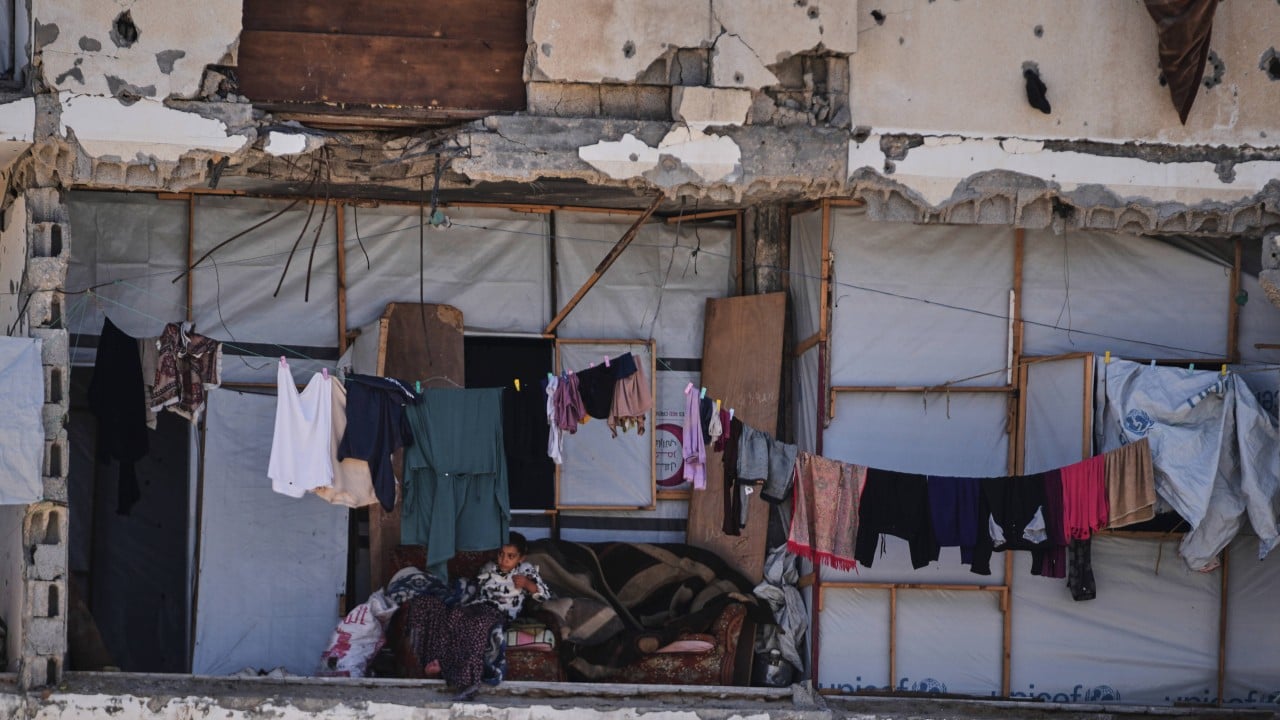
While Islamabad claims it successfully neutralized 29 cross-border militants, the reality on the ground in Afghanistan paints a far bloodier picture. According to detailed statements from the Afghan government, the strikes killed at least 36 civilians and wounded over 160 others.
What we're seeing isn't just another routine border skirmish. It's the culmination of months of failed diplomacy, tit-for-tat military actions, and a fundamental breakdown in trust between Islamabad and the Taliban regime in Kabul. If you've been tracking this region, you know things haven't been this unstable in years.
The Tragic Reality of the Double-Tap Strike
The most devastating aspect of the overnight raid occurred in Mandokhail village, located in the Chamkani district of Paktia province. According to Afghan authorities, Pakistani jets initially targeted a civilian residence, killing an elderly man and a child.
But the real catastrophe came moments later. As local villagers rushed to the scene to pull survivors from the rubble, a second strike hit the exact same coordinates. This tactic, often referred to as a "double-tap," turned a local rescue effort into a massacre. The second bombardment killed 28 villagers and wounded 158 others on the spot.
Further south, in Paktika province's Giyan district, another airstrike pulverized a home in Walust village, killing six people—mostly women and children. A third strike in Kunar province destroyed a civilian home and wiped out roughly 30 livestock, though miraculously no human casualties were reported there.
Why Pakistan Cleared the Runway
To understand why Pakistan took such a massive gamble, you have to look at what happened 24 hours prior in the port city of Karachi. On Sunday, militants armed with heavy explosives and automatic weapons rammed a vehicle into the regional headquarters of the paramilitary Pakistan Rangers. The complex attack killed three Pakistani soldiers.
During the gunfight, Pakistani security forces killed three attackers and captured a fourth. The military quickly identified the wounded detainee as an Afghan national, who police claim confessed that the Karachi attack was planned from safe havens inside Afghanistan.
For Islamabad, this was the final straw. Pakistan's Information Minister, Attaullah Tarar, quickly went on social media to share videos of the cross-border strikes, claiming the military targeted active camps of Jamaat-ul-Ahrar and Fitna al-Khawarij—the official term the Pakistani government uses to describe the Pakistani Taliban (Tehrik-e-Taliban Pakistan, or TTP).
"Pakistan has always strived for maintaining peace and stability in the region," Tarar stated, "but at the same time shall not compromise on the safety and security of our citizens."
The Broken Promises of 2026
The tragedy of this latest flare-up is that it completely obliterates months of delicate international mediation. Back in April, China hosted high-level diplomatic talks in Beijing. Both Islamabad and Kabul walked away from that summit promising not to escalate border frictions and to explore a peaceful path forward.
Clearly, those promises are dead. On Monday, both nations summoned each other's top diplomats in formal, angry protests. Afghan Ministry of Information official Hayatullah Mohajer Farahi warned that the "cowardly act of aggression" would be met with retaliation "in due time," signaling that Kabul has no intention of backing down.
The core issue remains unresolved. Pakistan accuses the Afghan Taliban of providing safe harbor to the TTP, a separate but allied militant group that has waged a bloody insurgency against Islamabad for years. Kabul consistently denies these allegations, demanding credible evidence while accusing Pakistan of using Afghanistan as a scapegoat for its internal security failures.
What Happens Next
The timeline of conflict between these two neighbors shows a dangerous, upward trajectory since February, when open warfare briefly erupted with unprecedented airstrikes reaching as far as Kabul and Kandahar.
For anyone watching the region, the next 48 hours are critical. If Afghanistan follows through on its promise of retaliation, we could see a return to heavy artillery duels along the Durand Line, further destabilizing an already volatile region. For now, border forces on both sides remain on the highest possible alert, and the prospects for a lasting ceasefire look dimmer than ever.