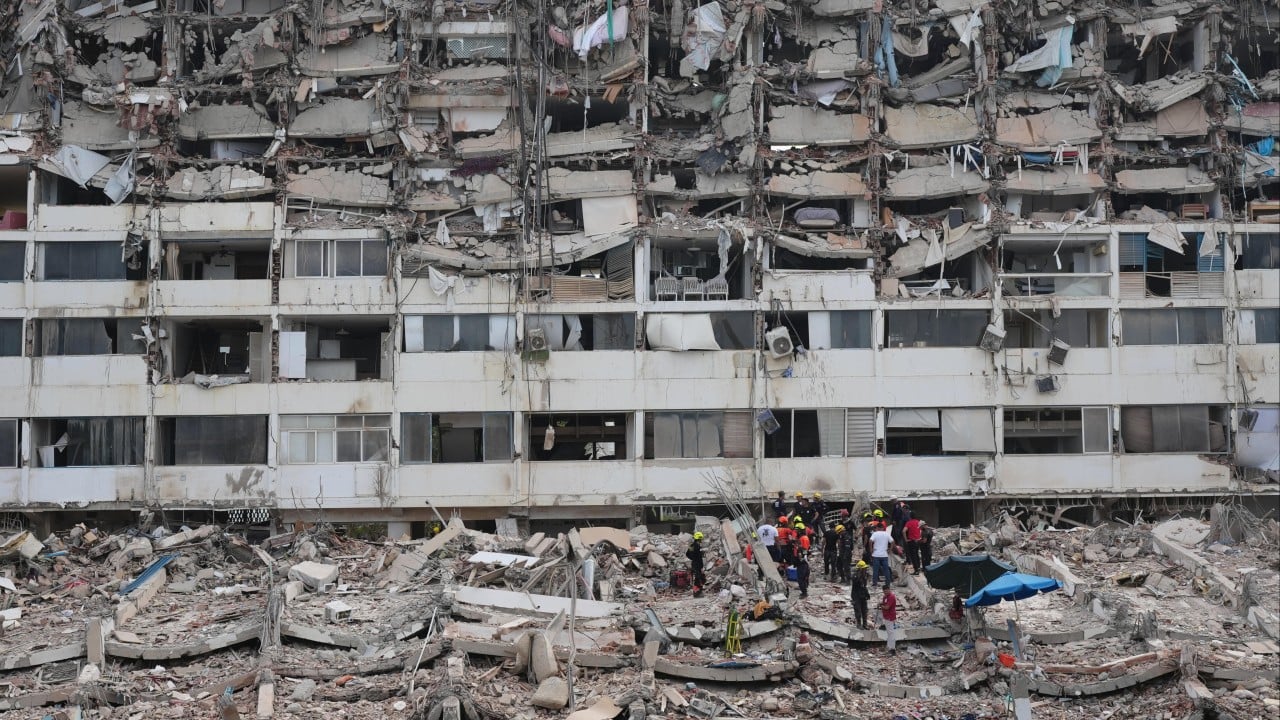
The golden rule of urban search and rescue is brutal, precise, and absolute. You have 72 hours. After that three-day mark, the probability of pulling anyone alive from the weight of pancaked concrete drops off a cliff.
But rules don’t take into account the sheer stubbornness of the human body, or the desperation of families digging with bare fingernails.
On June 24, 2026, northern Venezuela was torn apart by two massive strike-slip earthquakes occurring just 39 seconds apart. The Mw 7.2 foreshock and the Mw 7.5 mainshock completely shattered the coastal state of La Guaira and ripped through parts of Caracas. It is the most violent seismic event the country has experienced in over 125 years.
Right now, the official death toll stands at 1,450, with more than 3,150 injured. But everyone on the ground knows that number is a placeholder. With an estimated 50,000 people still listed as missing on tracking networks, the US Geological Survey (USGS) warns that the final death toll could ultimately cross 10,000.
The critical 72-hour survival window closed over the weekend. Yet, the operations aren't stopping. They can't.
The Tectonic Doublet That Caught Venezuela Off Guard
To understand the scale of the destruction in La Guaira, you have to look at how these earthquakes behaved. This wasn't a standard tremor followed by minor aftershocks. This was a tectonic doublet along the complex San Sebastián fault system.
First Quake (Foreshock):  Mw 7.2 — Initiated near Morón
Second Quake (Mainshock): Mw 7.5 — Struck 39 seconds later, depth of 10 km
The United Nations estimates the structural damage at $4.7 billion to $8.7 billion. That is roughly 4% to 8% of Venezuela's entire GDP wiped out in less than two minutes. The energy release propagated directly toward Caracas at a speed of over 3 kilometers per second. Older apartment blocks and hastily constructed barrios on the hillsides never stood a chance. At least 774 major buildings have completely collapsed, leaving behind jagged hills of gray powder and twisted rebar.
Miracles Amid the Rubble
When the 72-hour clock ran out on Saturday evening, a heavy silence usually follows for rescue teams. Dehydration, crush syndrome, and lack of oxygen generally claim anyone trapped deep inside the voids. Sebastian Eugster, leading the 80-strong Swiss rescue team, noted that while their eight specialized search dogs detected multiple signs of life, accessing those spaces before time ran out proved physically impossible under the shifting debris.
Yet, Sunday brought an extraordinary series of anomalies that defied the data.
In La Guaira, international teams equipped with advanced acoustic scanners and thermal imaging managed to pull a father and his young son out of a collapsed structure, four full days after the initial shock. Elsewhere, a US rescue crew successfully extracted an infant from a pocket of rubble.
In the town of Caraballeda, Mexican and Colombian crews located an 11-year-old boy named Moises trapped three meters deep. Rescuers used a specialized snake-camera scanner to pinpoint his location, carefully cutting through concrete blocks to lift him out on a stretcher. His arm was fractured, and his eyes had to be shielded immediately from the harsh Caribbean sunlight, but he survived. Tragically, his mother and sister did not.
These isolated victories are why acting president Delcy Rodríguez officially announced that recovery efforts will not be suspended. "We always maintain hope," she stated, even as she extended school suspensions for another week and scrambled to address a broader infrastructure collapse that has knocked out power to wide swathes of the region, including shutting down the massive 645,000-barrel-per-day Amuay oil refinery in western Falcón state.
Why the Crisis Extends Beyond the Ruins
Finding survivors is only the first phase of an escalating humanitarian emergency. The earthquakes hit a country already wrestling with profound economic vulnerability and strained infrastructure.
According to humanitarian data from groups like World Vision, over 90% of local households already faced intermittent shortages of basic services before the ground ever shook. Now, with water mains ruptured and the electrical grid severely compromised—even though officials claim 75% of power has been restored to La Guaira—the risk of waterborne illness and exposure is rising rapidly.
More than 12,700 people are completely displaced, currently sleeping in open parks, plazas, or makeshift camps because they either have no home to return to or are terrified that the 130+ aftershocks will bring down whatever structures are left standing.
How to Support the Relief Efforts
If you want to help the families and communities affected by this historic disaster, don't rely on unverified social media donation links. Stick to established international humanitarian pipelines that have active logisticians on the ground in northern Venezuela right now.
- The International Federation of Red Cross and Red Crescent Societies (IFRC): The Venezuelan Red Cross is actively managing search, rescue, and first-aid operations on the front lines. You can donate directly to their emergency appeal through the official IFRC Donation Portal.
- World Vision: This organization has operated a deep local network in the country since 2019, utilizing community volunteers to distribute immediate food, clean water, and emergency shelter kits to displaced families. You can support their targeted field operations via the World Vision UK Disaster Appeal.
International assistance is scaling up, with over 2,600 specialized foreign workers arriving from places like Switzerland, Mexico, Colombia, and the United States. The focus is shifting from rapid surface searches to heavy concrete breaching. Every hour that passes makes the work more dangerous for the crews and less promising for those still waiting in the dark. But as long as scanners detect a heartbeat, the digging continues.