When back-to-back 7.2 and 7.5 magnitude earthquakes ripped through northern Venezuela's coastline late Wednesday, the clock started ticking. Within seconds, concrete apartment blocks in La Guaira flattened into layers of dust. The official death toll surged past 900, with thousands injured and over 50,000 citizens reported missing on digital databases.
In the immediate aftermath of a catastrophic disaster, the world typically watches a predictable script play out. Giant military cargo planes fly in. Huge government agencies hold press conferences. But while the massive state-backed operations grab the headlines, the real, gritty work of pulling living bodies out of unstable rubble often falls on tiny, hyper-focused teams you have probably never heard of.
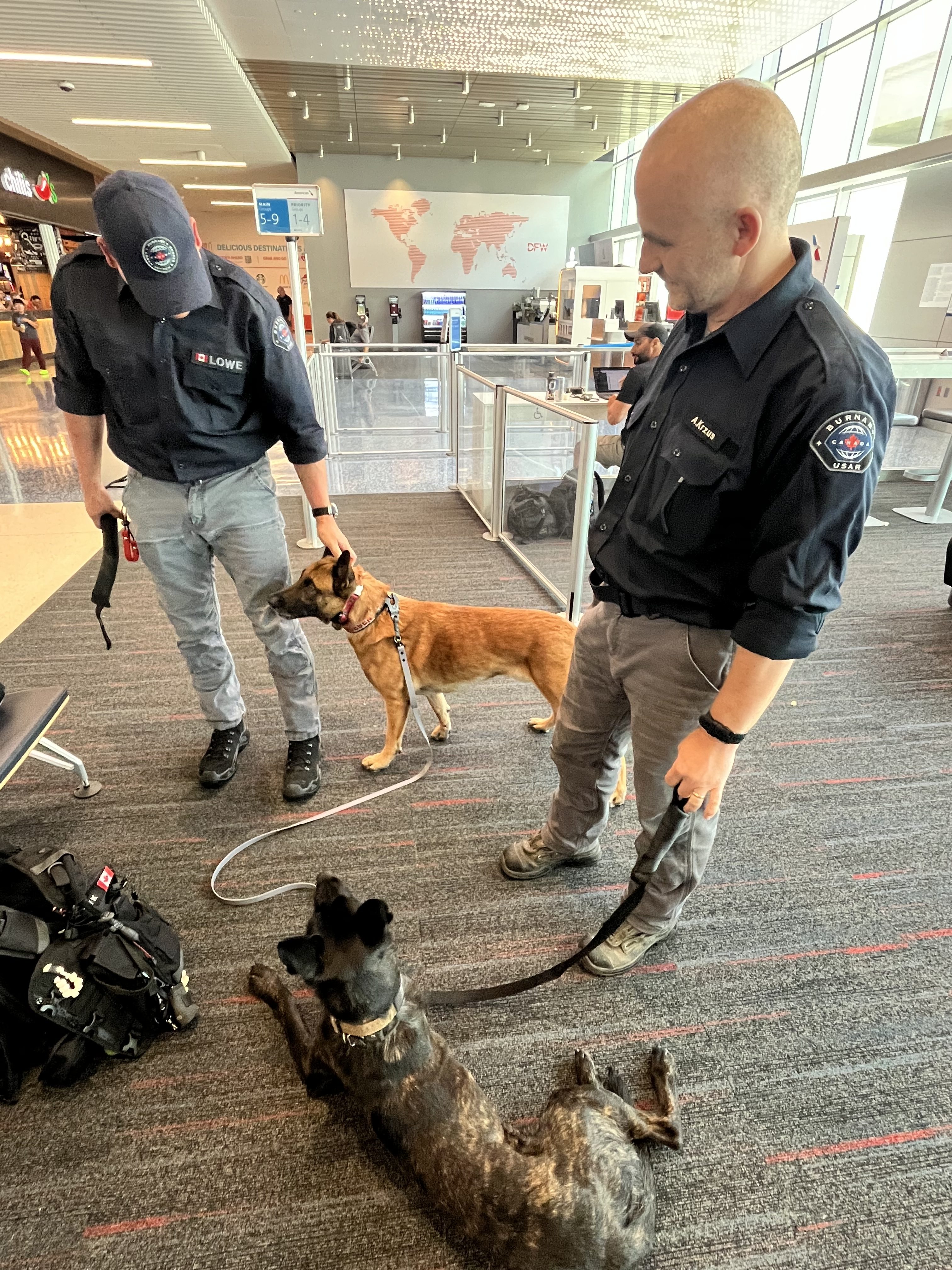
Take Burnaby Urban Search and Rescue (USAR). On Friday, this independent volunteer group from British Columbia deployed a seven-member team directly into the heart of the Venezuelan disaster zone. They aren't a massive federal agency. They don't have a fleet of military jets. Yet, their presence on the ground highlights exactly how modern international disaster tracking works, and why the standard top-down rescue model is fundamentally broken.
The Logistics Nightmare You Don't See on TV
When the twin quakes hit less than 40 seconds apart, they didn't just collapse buildings; they annihilated the local infrastructure. The Simón Bolívar International Airport near Caracas sustained heavy damage, making standard commercial flights impossible.
For large international aid operations, this kind of logistical bottleneck can paralyze movement for days. Bureaucracy moves slow. Private citizens with massive resources move fast.
The Burnaby team managed to bypass the commercial transit standstill because a private plane owner stepped up and donated a direct flight straight into the danger zone. It's a classic example of how independent teams operate on the fly.
The Burnaby deployment includes:
- Two specialized search-and-rescue dogs
- Two professional firefighters
- Paramedics trained in crush-syndrome medicine
- Tactical law enforcement officials
They are joining a chaotic international mix of roughly 800 foreign volunteers from Spain, the United States, and Mexico. While massive US teams like the Los Angeles County Fire Department's heavy rescue unit fly in with 84,000 pounds of equipment, smaller units like Burnaby move with a lighter footprint. They don't need a massive logistics tail. They just need to get their dogs and cameras to a pile of rubble before the 72-hour golden window slam shuts.
Why Small Volunteer Teams Beat Federal Bureaucracy
There is a common misconception that local volunteer units shouldn't bother heading to international disasters because giant organizations have it covered. That's dead wrong.
During the initial 48 to 72 hours after a structural collapse, local governments are usually buried under their own communication failures. In Venezuela, frantic families in La Guaira have been forced to cut through slabs of concrete using basic hammers and household power tools because state rescue teams simply haven't arrived in their neighborhoods.
When a specialized team like Burnaby USAR lands, they don't wait for a central command structure to hand them a flawless plan.
"Once we have our feet on the ground, usually what seems to be the biggest priority are the basic necessities of life, food and water, just providing any help we can," says Ryan Berry, president of Burnaby USAR.
They assess the immediate block, deploy the canines to sniff out void spaces in pancaked ten-story buildings, and start digging. They plan to spend five to seven days on the ground. In the world of search and rescue, that is an eternity. It is the exact window where a trapped survivor transitions from a rescue story to a recovery statistic.
The Reality of the Golden Window
The math of a structural collapse is brutal. If you are trapped under a reinforced concrete ceiling, your survival chances drop exponentially with every hour that passes without hydration, especially in the humid coastal heat of northern Venezuela.
Heavy machinery like excavators and dump trucks are great for clearing roads, but they are completely useless for delicate extrications. You can't use a 20-ton excavator on a pile of rubble where a five-year-old child might be surviving in a two-foot pocket of air.
You need highly trained dogs that can isolate the scent of living human breath beneath ten feet of pulverized drywall. You need compact, specialized search cameras that can snake through cracks in fractured foundations. Most importantly, you need people who are willing to crawl into those unstable gaps themselves to pull someone out.
The Burnaby volunteers do this without a paycheck. They leave their regular jobs in British Columbia, hop on a donated private flight, and dive into a zone rocked by continuous, unpredictable aftershocks. It isn't glorious, and it definitely isn't seamless. It is dangerous, tedious, hand-to-bone digging.
If you want to support global disaster relief efforts in a meaningful way, stop focusing exclusively on the multi-million-dollar federal pledges that take weeks to clear government accounts. Look at the independent, ground-level teams that are actually touching the rubble while survivors are still alive to be saved.