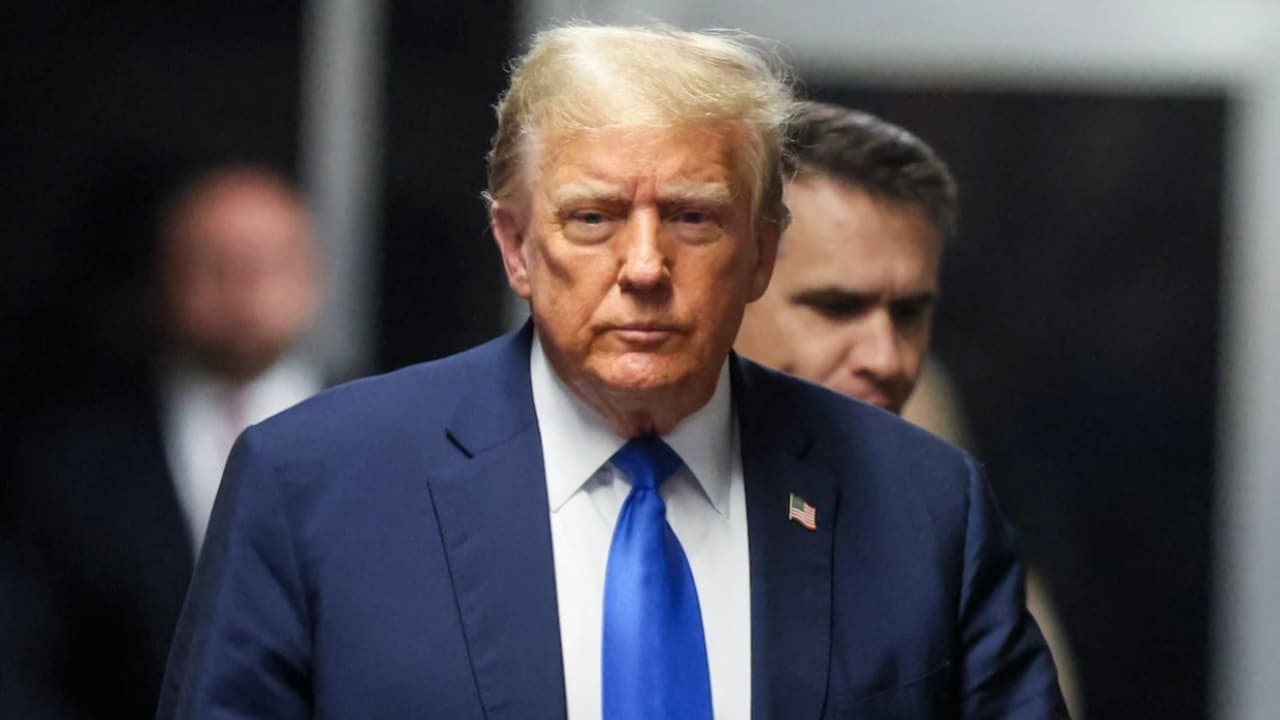
The global energy market almost had a collective panic attack over the weekend. Rumors spread fast that shipping companies would have to drop millions of dollars just to pass through the world's most critical choke point. Donald Trump just cleared the air on Truth Social, stating that Iran formally assured the US they aren't collecting tolls, insurance fees, or extra charges in the Strait of Hormuz.
If you think this means the Middle East crisis is solved, you're misreading the situation. This isn't a permanent peace deal. It's a high-stakes poker game with a 60-day timer, and the global economy is sitting right on the table.
The confusion started when mixed signals from Tehran and Washington made it look like the vital shipping lane was turning into a privatized toll road. Trump explicitly warned that if Iran's assurances turn out to be fake news, negotiations end immediately. This is the real story behind the headlines, what's actually happening with those frozen billions, and how global shipping is trying to escape a literal minefield.
The Reality Behind the Shipping Fees
The Strait of Hormuz handles roughly a fifth of the world's petroleum and liquefied natural gas. When the US-Iran war broke out earlier this year, the shipping lane ground to a halt. The recent ceasefire framework signed by Trump and Iranian President Masoud Pezeshkian was supposed to fix that. Instead, it triggered a massive debate over who actually owns the rights to the water.
Iranian officials hinted they wanted to manage maritime services alongside Oman, implying that ships might have to pay for the privilege of safe passage. Some reports even suggested past tolls reached as high as $2 million for certain vessels. Trump shot back by threatening that if talks failed, the US would slap its own tolls on the strait to recoup the costs of acting as the region's guardian angel.
The latest update cuts through that noise. Iran claims it isn't seeking any money from transiting ships right now. This keeps the 60-day ceasefire alive, but it doesn't solve the underlying issue. The interim agreement gives commercial vessels a free pass for two months while technical teams talk in Switzerland. What happens on day 61 is anyone's guess.
Where the Frozen Billions Are Actually Going
Critics are already screaming that Washington is giving Iran a massive payday to keep the peace. The truth is a lot more complicated. Trump flatly denied that the US has handed over direct cash or released frozen funds straight into Tehran's hands.
The administration is setting up a highly restrictive loop for Iran's overseas assets. Iranian media estimated their frozen global funds sit somewhere between $100 billion and $123 billion, and Tehran originally demanded a chunk of that upfront just to sign a memorandum of understanding. The US delegation, led by Vice President JD Vance, shut that down.
Instead of a blank check, a specialized mechanism designed by Jared Kushner and coordinated through Qatar will dictate how the funds move. The money stays under total US control. It gets released directly to American farmers and ranchers to pay for massive shipments of corn, wheat, and soybeans.
Iran desperately needs the food. The US gets to support its domestic agricultural sector while ensuring that not a single dollar goes toward funding proxy networks or military hardware. It's a digital food stamp system on an international scale, mirroring the strategy used during the 2023 prisoner swap under the previous administration.
The UN Evacuation Plan Is Moving
While politicians argue in luxury Swiss hotels, actual sailors are trying to navigate a logistical nightmare. The conflict trapped hundreds of commercial vessels and roughly 11,000 seafarers inside the Persian Gulf. They've been sitting ducks for months.
On Wednesday, the International Maritime Organization finally kicked off a massive evacuation scheme that has been in development since the April truce. It's an incredibly delicate operation. The IMO is telling ships to stay put in designated international waiting areas until they get specific, individualized routing instructions. Crowding the lanes will force a total pause for safety reasons.
Oman stepped up to manage the traffic by carving out two temporary corridors.
- Ships heading out can take a northern route running straight through Iranian waters.
- Alternatively, they can use a southern route through waters coordinated by Oman and the United States.
Vessels leaving via the Omani lane have to maintain constant communication with coastal authorities. LSEG ship tracking data shows the first few cargo and dry bulk carriers have already slipped through the strait safely. It's a start, but moving the remaining traffic will take weeks of perfect coordination.
Why This Ceasefire Hangs by a Thread
Don't let the toll-free announcement fool you into thinking the risk has vanished. The fundamental friction points between Washington and Tehran haven't changed. The structural issues keeping military planners awake at night remain completely unresolved.
The Nuclear Standoff
The US wants Iran to completely stop enriching uranium and surrender its current stockpile. According to the International Atomic Energy Agency, Iran holds hundreds of kilograms of uranium enriched up to 60 percent purity. That's a short technical leap from the 90 percent needed for weapons. Much of this material is buried deep beneath site locations that felt the weight of US airstrikes last year. Tehran isn't going to give up its ultimate leverage without getting massive, permanent structural concessions in return.
The Regional Proxy War
Iran expects any final peace deal to lock in a lasting truce between Israel and Hezbollah in Lebanon. Rocket fire in early March dragged the region into full-scale combat, and the fighting on the ground refuses to respect paper agreements. Just hours after Trump touted the open shipping lanes, Iranian military commands threatened to close the strait again, blaming continued Israeli strikes in Lebanon for violating the spirit of the ceasefire. Central Command dismissed the threat, but it shows how easily a single spark in Beirut can choke global energy markets again.
The Broken Trust
Tehran's negotiators are openly skeptical of Washington's promises. They remember vividly when Trump pulled out of the 2015 nuclear deal during his first term. This time around, Iran is demanding rock-solid guarantees that the US won't just tear up the agreement if the political winds shift. The problem is that no US president can truly bind the hands of a future administration, leaving both sides trapped in a loop of deep paranoia.
Immediate Next Steps for Maritime Operators
If you run a shipping firm, manage supply chains, or trade commodities, you can't afford to treat this as a spectators' sport. The next two months will determine your operational costs for the rest of the decade.
First, coordinate directly with the International Maritime Organization before plotting any vessel movements near the Gulf. Do not allow your captains to enter the transit waiting areas without explicit, written clearance. Rogue ships trying to skip the line will cause gridlock and invite immediate security scrutiny from naval patrols.
Second, re-evaluate your insurance premiums and transit contracts now. Even though Iran isn't charging official tolls today, the sheer volatility of the region means private underwriters are still pricing in extreme risk. Get ahead of the curve by securing alternative supply routes or adjusting your fuel surcharges before the 60-day window expires.
Finally, watch the technical talks in Geneva like a hawk. The moment negotiations stall over the nuclear stockpile or agricultural funding releases, the threat of maritime tolls or a renewed blockade will return instantly. Don't wait for the headline to hit your feed before you build a contingency plan.