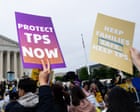
The ground just shifted under the feet of over a million people, and most news coverage is completely missing the real story. When the Supreme Court handed down two massive immigration decisions, the immediate headlines focused entirely on the political shouting match. Critics labeled the conservative majority's actions an authoritarian move, while supporters celebrated a win for border security.
But if you look past the partisan press releases, the reality is much more clinical, cold, and devastating. The high court basically rewrote the rules of who gets to be legal in America and who can be turned away at the border without a second thought.
These 6-3 decisions don't just change policy. They hand the White House unprecedented authority to undo decades of established legal protections with the stroke of a pen. If you think this only affects people trying to cross the southern border today, you're mistaken. It signals a complete overhaul of the American immigration system that will felt in local communities, workplaces, and families for years.
The Shattering of Temporary Protected Status
For decades, Temporary Protected Status worked as a vital safety valve. When a country descended into a brutal civil war or got flattened by a catastrophic natural disaster, the US government stepped in. We told the citizens of those countries who were already here that they could stay, work, and live without fear of deportation. It wasn't citizenship, but it was safety.
The conservative majority just gutted that safety valve.
By greenlighting the administration's plan to strip away these protections from hundreds of thousands of Haitians and Syrians, the court made it clear that "temporary" means exactly what it says, regardless of how many decades you've built a life here. People who have been legal business owners, taxpayers, and neighbors are suddenly facing the terrifying prospect of deportation to places that the State Department itself warns are far too dangerous to visit.
Think about Haiti right now. The country is dealing with rampant gang violence and severe political instability. Sending people back there isn't just a administrative relocation. It is an immediate danger to their lives.
Legal experts are calling this the biggest delegalization event in modern history. The economic impact is going to hit hard too. Estimates show that these status holders contribute billions every year to the economy. Losing that workforce overnight will hurt local industries that rely heavily on their labor and skills.
Redefining What It Means to Arrive
The second ruling tackles the southern border directly, and it hinges on a single, tiny word. The court legalizes the controversial turn-back policy, which is often called metering. This allows federal agents to block asylum seekers from physically stepping onto US soil.
Under federal law, if a person arrives in the US and expresses a fear of persecution, the government must inspect them and process their asylum claim. But the majority opinion looked at the phrase "arrives in" and decided that if an immigration officer blocks you at the literal boundary line, you haven't actually arrived yet.
The dissenting justices didn't hold back their anger. They pointed out that this logic ignores the entire context of international refugee agreements. If the government can just build a wall or station an officer to prevent you from crossing a painted line, the right to seek asylum becomes completely meaningless. An asylum seeker could be standing right outside a processing facility, with trained officers sitting inside empty desks, and the government can still legally tell them to turn around and face whatever danger they are fleeing.
This shifts the entire strategy of border management. Instead of processing people who ask for refuge, the system is now designed to prevent the request from happening in the first place.
The Long Term Fallout for Communities
The immediate consequences will play out at the ports of entry, but the ripples will go much deeper. The legal precedent set here gives any administration the power to unilaterally cancel humanitarian programs without much judicial oversight.
When the courts step back and refuse to review these executive decisions, the lives of millions become bargaining chips in regular political cycles. Security vanishes. Families are forced to make impossible choices about whether to stay in the shadows or leave the place they call home.
This isn't just about the numbers. It is about the fundamental stability of our legal system and the promises we make to vulnerable people. When the highest court in the land decides that decades of established practice can be swept away by focusing on narrow word definitions, the entire structure of immigrant rights begins to fracture.
Immediate Action Steps for Immigrants and Allies
Navigating this new landscape requires direct, strategic action. Do not wait for things to sort themselves out.
First, anyone currently holding temporary protections must consult with a licensed immigration attorney immediately. Do not rely on advice from social media or well-meaning friends. You need an expert to review your file and see if there are alternative pathways to permanent residency or other forms of relief that you might qualify for.
Second, community organizations need to ramp up their legal screening clinics. Documenting how long people have been in the country, their community ties, and their economic contributions will be vital for future advocacy and potential legislative fixes.
Third, stay informed through credible legal aid organizations rather than mainstream political commentary. The political noise is loud, but the specific legal dates, filings, and policy changes are what will actually impact your daily life.