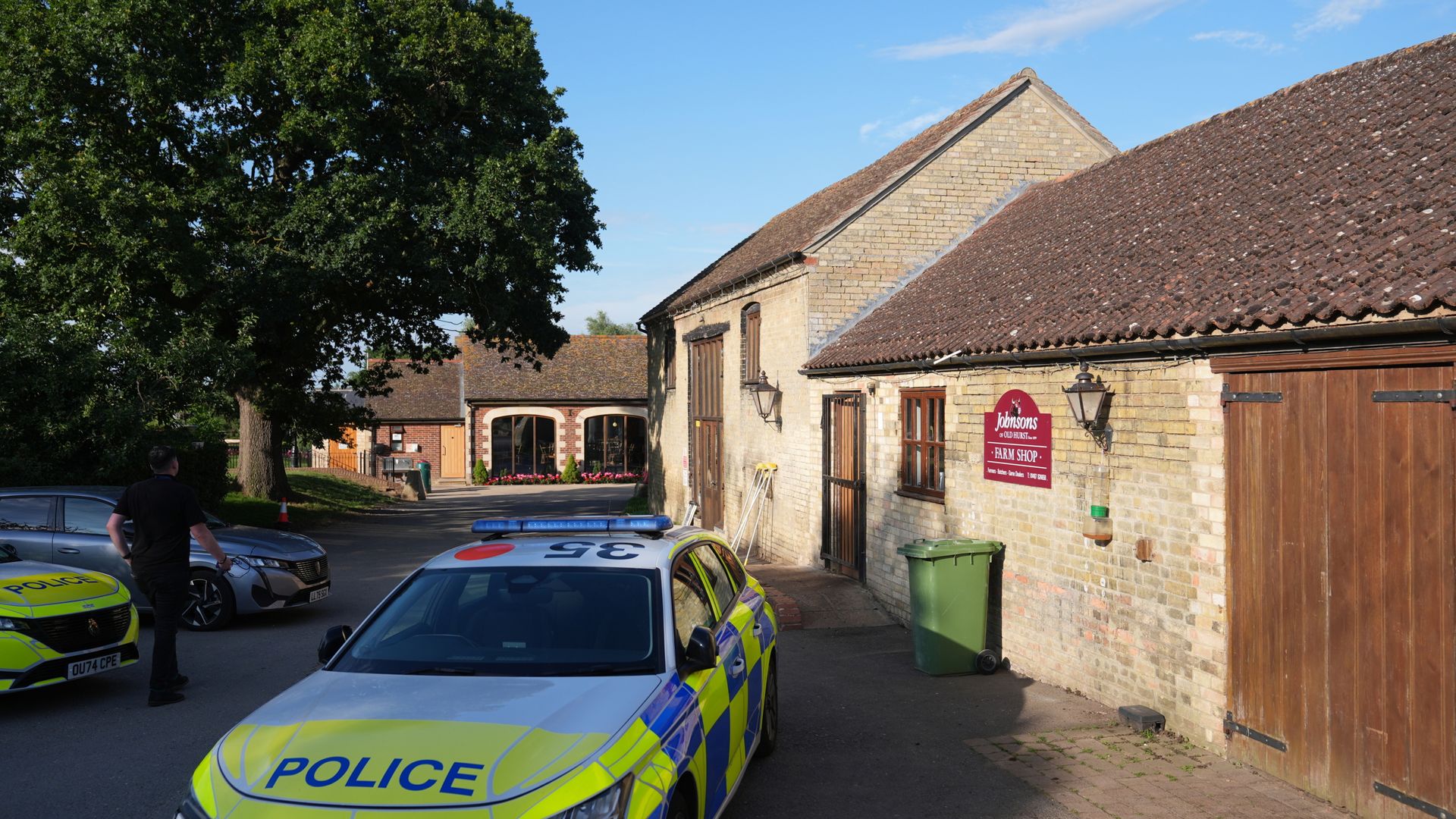
Nine days after a three-year-old boy was thrown fifteen feet into a crocodile pit, the gates are open again. Johnsons of Old Hurst, a family-run zoo in Huntingdon, Cambridgeshire, made the brief announcement on social media. Their Tropical House—the converted cattle barn housing the predators—is fully back in business.
It feels fast. To many, a nine-day turnaround after a critical injury to a toddler seems rushed, maybe even cold. But behind the standard corporate reassurance of a social media post lies a complex tangle of a bizarre criminal act, a terrifying rescue, and an unexpected data breach that shifted the spotlight from the zoo to a major hospital.
If you're looking for standard corporate platitudes, you won't find them here. Here is what actually happened on June 18, 2026, and why the zoo reopened so quickly.
The Fifteen Foot Drop
This wasn't a case of a curious toddler climbing over a barrier. Cambridgeshire Constabulary confirmed that the boy was allegedly thrown into the enclosure by a stranger.
A 30-year-old man from Norfolk, who was visiting the zoo on an organized trip with carers, allegedly grabbed the child and dropped him over the edge. The toddler fell fifteen feet, landing first on a concrete walkway inside the pit before ending up in the water.
He suffered a broken pelvis and a broken arm from the impact alone. Then the reptiles moved in.
At least one crocodile attacked. In a crisis where every second dictated survival, Tracey Johnson, the wife of the zoo owner, jumped straight into the pit. She fought off the animals and pulled the bleeding toddler to safety before emergency crews arrived. It was a visceral, instinctive act of bravery that saved the boy's life.
The suspect was arrested on suspicion of attempted murder. However, police later bailed him until September 18 after medical professionals assessed him as not fit for interview due to severe learning difficulties.
Why the Zoo Faced No Safety Closures
The fast reopening sparked immediate debate online. Why didn't health and safety officials shut the place down for months?
The answer is simple but uncomfortable. The enclosure did not fail. The barriers did what they were engineered to do, which is keep guests from accidentally falling or climbing in. Short of building fully enclosed glass cages or prison-grade fencing, standard zoo architecture cannot completely prevent a deliberate criminal act of violence by an adult.
Inspectors found no structural faults or safety violations with the Tropical House. Because the facility met all legal safety requirements, there was no legal ground for the local council or Health and Safety Executive to force a prolonged closure. The zoo operators took nine days to handle the immediate trauma, cooperate with the initial police sweep, and quietly reopen.
The Hospital Scandal Nobody Expected
While the boy survived the attack and stabilized at Addenbrooke's Hospital in Cambridge, a second crisis erupted. This time, it wasn't at the zoo. It happened inside the computer systems of the National Health System.
Around 40 members of hospital staff illegally accessed the three-year-old's private medical records.
Curiosity drove NHS workers to snoop on the high-profile victim, prompting Cambridge University Hospitals NHS Foundation Trust to refer itself to the Information Commissioner's Office. The Department of Health and Social Care launched an immediate investigation. It highlighted a massive, recurring vulnerability in public healthcare: staff abusing data access rights during major news events.
The hospital confirmed that any employee found looking at the child's files without a strict clinical reason faces immediate dismissal and potential criminal prosecution under the Data Protection Act.
What This Means for Zoo Security Moving Forward
The Huntingdon incident exposes a blind spot in public venue safety. You can build walls to stop accidents, but stopping malicious intent is entirely different. For parents and visitors heading back to wildlife parks this summer, the takeaway isn't to live in fear, but to remain highly aware of your surroundings.
If you are managing or visiting public wildlife spaces, true safety relies on human intervention rather than just physical walls.
- Ditch the distractions: Keep your eyes on your children in high-risk zones like predator exhibits, even if the barriers look massive.
- Support human monitoring: Venues are increasingly relying on trained staff stationed at high-profile enclosures during peak hours rather than just passive signage.
- Report erratic behavior: The suspect in this case was part of a visiting group; identifying and reporting highly agitated or unpredictable behavior to staff immediately can prevent escalation.
The child is out of critical danger and remains in stable condition. The suspect is under medical watch until autumn. The hospital workers face the loss of their careers, and the crocodiles at Johnsons of Old Hurst are back on display.