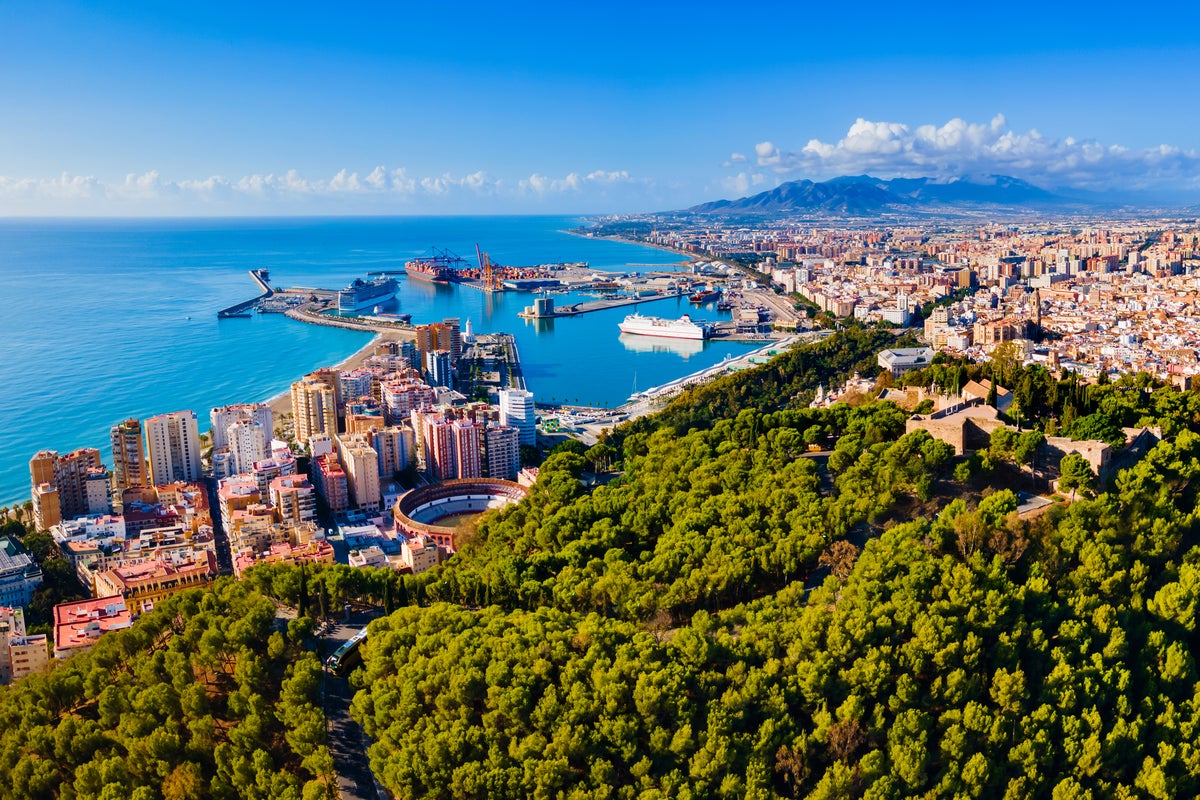
Tragedy doesn't care if you're on holiday. It hits without warning, leaving communities completely shattered across borders. That's exactly what happened in the early hours of Sunday morning on a treacherous stretch of southern Spain's coast. A devastating Malaga car crash claimed the lives of three young Irish nationals and left a fourth fighting for survival in a local hospital.
The victims were all from Mullingar, County Westmeath. They were vibrant people aged between 24 and 32, enjoying what should have been a relaxing escape to the sun-drenched Andalusia region. Instead, their trip ended at 2:38 am on the A-7 motorway near the Cerrado de Calderón exit. Their rental vehicle, a Mercedes, lost control, veered off the road, and plummeted around 30 meters down a steep embankment. It's a nightmare scenario that has devastated families back in Ireland and put a harsh spotlight on the unseen dangers of driving abroad.
The Reality of the A7 Motorway Near Malaga
Many holidaymakers view the Mediterranean highway as just another scenic route. It's free, it hugs the coast, and it links the major resort towns of the Costa del Sol. But local drivers know it as one of the most unpredictable roads in Spain. The specific section where this crash occurred, near kilometre 979 on the Almería-bound carriageway, features tight curves, heavy traffic, and rapid shifts in speed limits.
Initial reports from the scene indicated a multi-vehicle collision. However, the latest updates from the Guardia Civil clarify the sequence of events. The driver of the Mercedes lost control first. The subsequent collision with another vehicle occurred as a result of that initial loss of control, rather than causing it. The impact forced the rental car straight through the roadside barrier.
The vehicle plunged 100 feet down the ravine. It ripped through several trees on its downward trajectory before finally landing on Calle Pintor Sánchez Cotán, a residential street directly below the elevated motorway structure.
Emergency services faced an incredibly complex rescue operation. Firefighters had to use specialized cutting equipment to free the passengers from the crushed wreckage. Paramedics from the Andalusian Health Service (061) along with local police converged on the scene quickly, but three of the occupants were pronounced dead at the site of the crash. Two women and one man lost their lives instantly. The 31-year-old Irish driver survived the initial impact but sustained catastrophic injuries. He was rushed to the Carlos Haya Regional Hospital in Malaga, where he remains under intense medical care. A 64-year-old woman in the second vehicle was treated at the scene for minor injuries and shock.
Why Spanish Infrastructure Catches Foreign Drivers Off Guard
Driving a rental car in Spain sounds straightforward. You pick up the keys at Malaga Airport, plug your destination into a map app, and head out. But the coastal road networks present unique engineering challenges that can easily confuse an inexperienced visitor.
The Costa del Sol is split by two main arteries running parallel to each other. The AP-7 is a toll road. It's generally fast, wide, and features long, highly visible slip roads with plenty of room to merge. The A-7 is the completely free alternative, and it carries up to ten times more traffic. Because it evolved from an old coastal road, it's packed with sharp turns, abrupt entry lanes with virtually no run-up, and constantly fluctuating speed limits that drop from 120 km/h to 80 km/h over short distances.
Traffic data reveals that a staggering number of accidents on Spanish motorways happen in perfect conditions. Drivers are sober, the roads are dry, the sun is out, and the traffic is flowing smoothly. It comes down to distraction and unfamiliarity. When you combine high speeds with a sudden 90-degree bend or an unexpected vehicle merging from a standstill, a split-second delay in reaction time is all it takes to lose control. Rental cars, which often feature different handling characteristics, tire qualities, and braking sensitivities than the vehicles drivers use at home, add another layer of risk.
Mourning in Westmeath and the Political Response
The news traveled back to Ireland with agonizing speed. Mullingar is a tight-knit community where everyone knows everyone. Losing three young citizens in a single night has left the area in a state of profound shock.
Minister Robert Troy, a Fianna Fáil TD for Longford-Westmeath, spoke directly with the families of those involved shortly after the news broke. He described the incident as absolutely devastating. The loss has reverberated through local sports clubs, schools, and neighborhood groups where the victims were active members.
The Irish Department of Foreign Affairs immediately activated its consular protocols. Staff at the Dublin headquarters and the Irish Embassy in Madrid are working behind the scenes to support the grieving relatives. This assistance involves coordinating with Spanish judicial authorities, managing communication with the Carlos Haya hospital, and facilitating the complex logistics of international repatriation.
What Actually Happens When Tragedy Strikes Overseas
When a fatal accident occurs abroad, families face an overwhelming wall of foreign bureaucracy while dealing with intense grief. The process is never quick, and it's rarely simple. Spanish law requires a local court to oversee the investigation into any fatal road accident. The court must formally sign off on the release of the bodies before any repatriation efforts can begin.
The Guardia Civil's traffic unit is currently analyzing the onboard computer data from the crashed Mercedes. They want to establish the exact speed of the vehicle at the moment of impact and determine if mechanical failure played any role. This judicial investigation means that families must wait days, sometimes weeks, just to bring their loved ones home.
Consular officials act as a bridge during this time. They don't pay for repatriation costs or medical bills, which is a common misconception. Instead, they provide lists of local English-speaking funeral directors, help translate official documents, and ensure that the legal rights of the victims and survivors are respected under local laws.
Actionable Steps for Driving Safely on European Highways
If you plan to rent a vehicle and drive in southern Europe, you need to change how you approach the road. Don't rely solely on your GPS. Look at the physical environment and anticipate aggressive driving behaviors from locals who know the twists and turns intimately.
- Pay for the toll road when available. If you're driving long distances along the Spanish coast, choose the AP-7 over the free A-7. The extra few euros will keep you away from dangerous merging lanes and heavy freight trucks.
- Inspect your rental car thoroughly before leaving the depot. Check the tire tread depth and pressure. Ensure the brake lights work perfectly. Unfamiliarity with a vehicle's specific breaking distance can be fatal when encountering sudden traffic slowdowns.
- Treat night driving with extreme caution. Reduced visibility on winding coastal roads makes it significantly harder to spot sudden changes in lane layouts or debris on the road.
- Secure comprehensive travel insurance with high medical evacuation limits. If an accident occurs, the cost of intensive care in a foreign hospital and private medical transport back to Ireland can easily reach tens of thousands of euros.
The investigation in Malaga will continue over the coming weeks as investigators compile witness statements and technical data. For the community in Mullingar, the long process of healing is just beginning.