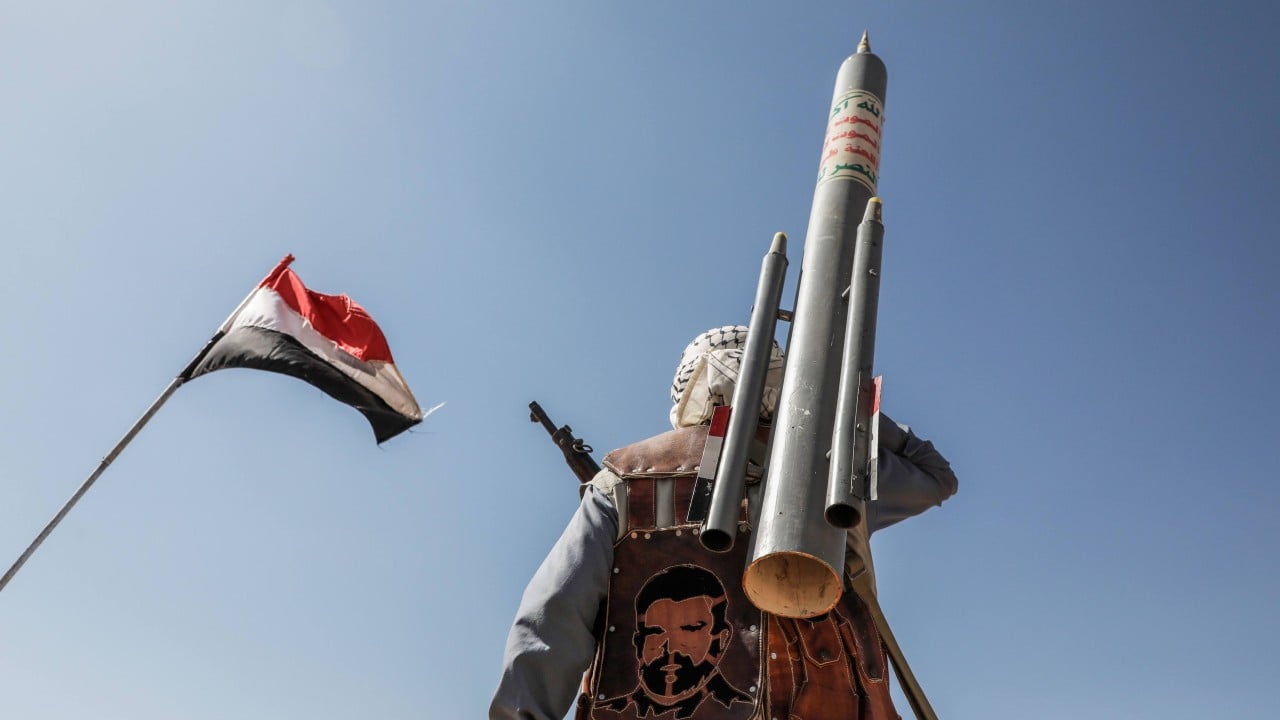
The fragile calm in Yemen is officially over. Saudi-led coalition forces launched targeted airstrikes against Houthi military installations in the crucial port city of Hodeidah, ending years of relative quiet.
If you thought the 2022 truce would permanently hold back the regional shockwaves, recent events prove otherwise. Riyadh didn't act out of nowhere. The escalation followed direct Houthi threats against commercial shipping, an announced maritime blockade targeting Saudi vessels, and confirmed attacks on Saudi tankers in the Red Sea.
When the Iran-backed group started firing on commercial traffic, Saudi patience wore thin.
What Triggered the Sudden Military Response
For months, global observers watched shipping lines choke up around vital Middle Eastern chokepoints. The Houthis stepped up their maritime campaign, broadcasting radio warnings to international captains and demanding compliance with their self-declared blockade.
Things crossed a red line when the group struck Saudi shipping assets. Saudi state media confirmed that a vessel belonging to a Saudi company—the NCC Masa—sustained hull damage during a Red Sea attack.
Maj. Gen. Turki Al-Malki, spokesperson for the Saudi-led coalition, called the operation a proportionate and decisive response. Fighter jets struck specific military objectives, including a naval base in Hodeidah and a military camp on Kamaran Island. Houthi-run media outlets reported minor injuries and damage to a telecommunications building near the port, while warning of a harsh upcoming phase of escalation.
Why the Red Sea Matters More Than Ever Right Now
Geography dictates survival for the world's top oil exporters. With parallel disruptions throttling traffic through the Strait of Hormuz—traditionally Riyadh's primary maritime outlet—the Red Sea route has become an economic lifeline.
Data from tracking firms like Kpler highlights this stark shift. During recent months, nearly all of Saudi Arabia's seaborne crude exports have departed from Red Sea terminals like Yanbu. When the Houthis attempt to close this secondary artery, they threaten the entire global energy supply chain.
Riyadh cannot afford to look away. Allowing a hostile militia to dictate who sails through the Red Sea would cripple the kingdom's economic security.
The Fragile Truce Collapses
The 2022 truce managed to survive long past its formal expiration date, providing a much-needed breather for a nation devastated by years of war, famine, and economic collapse. Aid workers and diplomats cherished that stability.
Now, that architecture is fracturing. The Houthi foreign ministry vowed immediate retaliation, signaling that regional actors tied to Tehran are ready to widen the theater of conflict. Yet, coalition officials have carefully managed the messaging. Riyadh insisted that Hodeidah port and regional airports remain open for vital commercial navigation and humanitarian supplies, aiming its fire strictly at legitimate military targets.
The margin for error is shrinking fast. As retaliatory rhetoric heats up, the coming weeks will determine whether this exchange remains a contained warning shot or triggers a return to full-scale regional warfare.