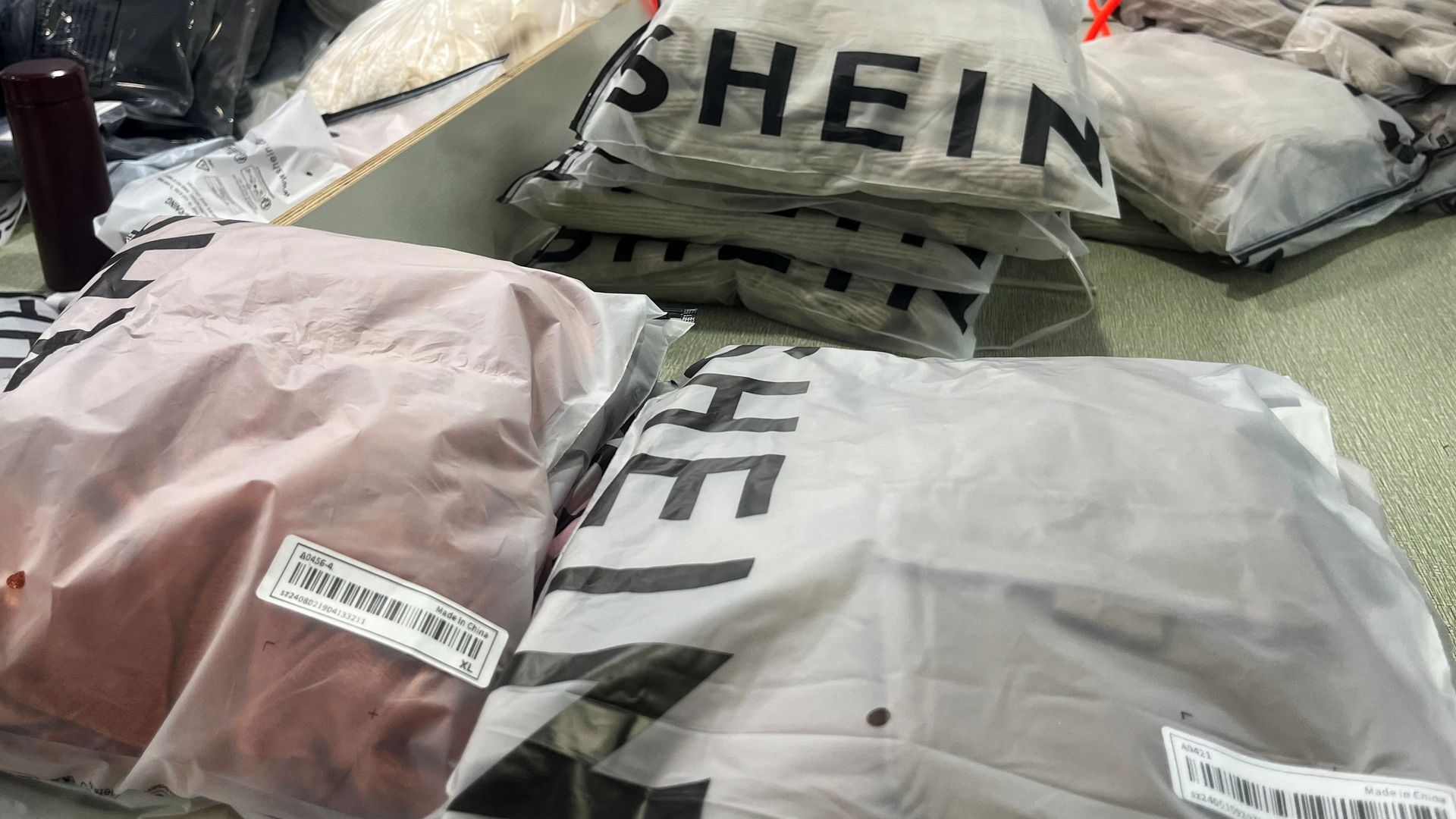
Ultra-cheap pricing used to guarantee instant retail success. Now, that exact playbook is breaking down right when the company needs public markets the most.
If you've spent any time tracking retail trends, you know Shein took over wardrobes everywhere by selling five-dollar tops and endless micro-trends. But as public listing plans get closer, the narrative around the brand has shifted completely. Regulatory hurdles, political pushback, and changing consumer habits mean the crown is heavy. Don't miss our previous post on this related article.
Here is what is actually going wrong behind the corporate curtain.
The Regulatory Walls Are Closing In
Governments aren't looking the other way anymore. For years, low-cost Asian e-commerce giants benefited from trade loopholes like the de minimis exemption in the United States, which lets small packages enter without heavy tariffs or intense scrutiny. Lawmakers hate this now. They see it as an unfair advantage that undercuts local businesses and hides supply chain practices. If you want more about the background here, Business Insider offers an excellent breakdown.
When you build an entire business model on shipping individual cheap parcels directly from overseas factories, changing customs rules destroys your margins.
- Tariffs are rising on low-value imports.
- Customs officials are opening more packages.
- Compliance costs are eating into profit lines.
You can't just dodge these rules forever. Politicians on both sides of the aisle are targeting these loopholes specifically.
Environmental Scrutiny Hits Harder Than Ever
Shoppers love a bargain. But shoppers also hate hearing that their clothes end up in massive landfills within weeks. Sustainability used to be a buzzword brands could ignore. Today, investors care because consumers care.
Public markets demand transparency. When institutional investors look at an IPO, they run risk assessments on environmental impact, labor conditions, and supply chain traceability. Shein's core model relies on thousands of small, third-party suppliers churning out clothes at lightning speed. Controlling labor standards across that massive network is nearly impossible.
The Valuation Game Has Changed
Going public requires a massive stamp of approval from big institutional money. Wall Street and London markets aren't handing out sky-high valuations just because a brand has viral TikTok videos. Growth numbers matter, but profitability and stability matter more.
When compliance costs rise and supply chain bottlenecks appear, growth slows down. Competitors like Temu and TikTok Shop are also fighting for the exact same budget-conscious shoppers. The market is saturated. Margins are squeezed.
You cannot scale infinitely on cheap marketing alone when customer acquisition costs keep climbing.
What Comes Next For Fast Fashion
The era of unchecked, ultra-cheap apparel shipping straight to your door without questions asked is fading. Companies trying to list on public exchanges have to grow up fast. They must prove they can survive tighter borders, angry environmentalists, and fierce rivalries.
If you are watching the retail space, stop looking at the cheap prices. Look at the balance sheets, the compliance lawsuits, and the regulatory changes happening in Washington and Brussels. That is where the real story lives. Fix your gaze on the policy shifts, because those dictate who survives the next decade.