The global energy market is staring down a barrel, and it's not looking good. Washington and Tehran are trading heavy fire again. The world's most critical oil chokepoint, the Strait of Hormuz, has turned into a high-stakes arena of military chicken.
While Iran claims it has clamped a total lock on the waterway, the US military just dropped a massive reality check. Central Command (CENTCOM) made a direct declaration that the strait is open, and they're taking responsibility for protecting commercial vessels passing through. You might also find this related coverage useful: Why Zelenskyy Is Rebuilding His Wartime Cabinet From Scratch Again.
If you think this is just another regular Middle East standoff, you're missing the bigger picture. This isn't just posturing anymore. It's a direct challenge to Iran’s decades-long leverage over global trade, and the dynamics have shifted completely.
The Mirage of Irans Absolute Control
For years, Tehran used the threat of blocking the Strait of Hormuz as its ultimate geopolitical shield. They figured that because a fifth of the world's liquefied natural gas and oil transits through this narrow stretch, nobody would dare call their bluff. As extensively documented in recent coverage by The Guardian, the results are notable.
They were wrong.
The US military aggressively shattered that illusion by launching heavy strikes against more than 140 Iranian targets. The message from the Trump administration is clear: the days of letting Iran bully merchant ships are over.
Despite Iranian diplomats at the United Nations insisting that the opening or demining of the strait rests exclusively with them, the actual military reality on the water tells a very different story.
Iran tried implementing a system where they selectively allowed ships through while demanding hefty transit fees. They basically tried to turn an international waterway into a private toll booth.
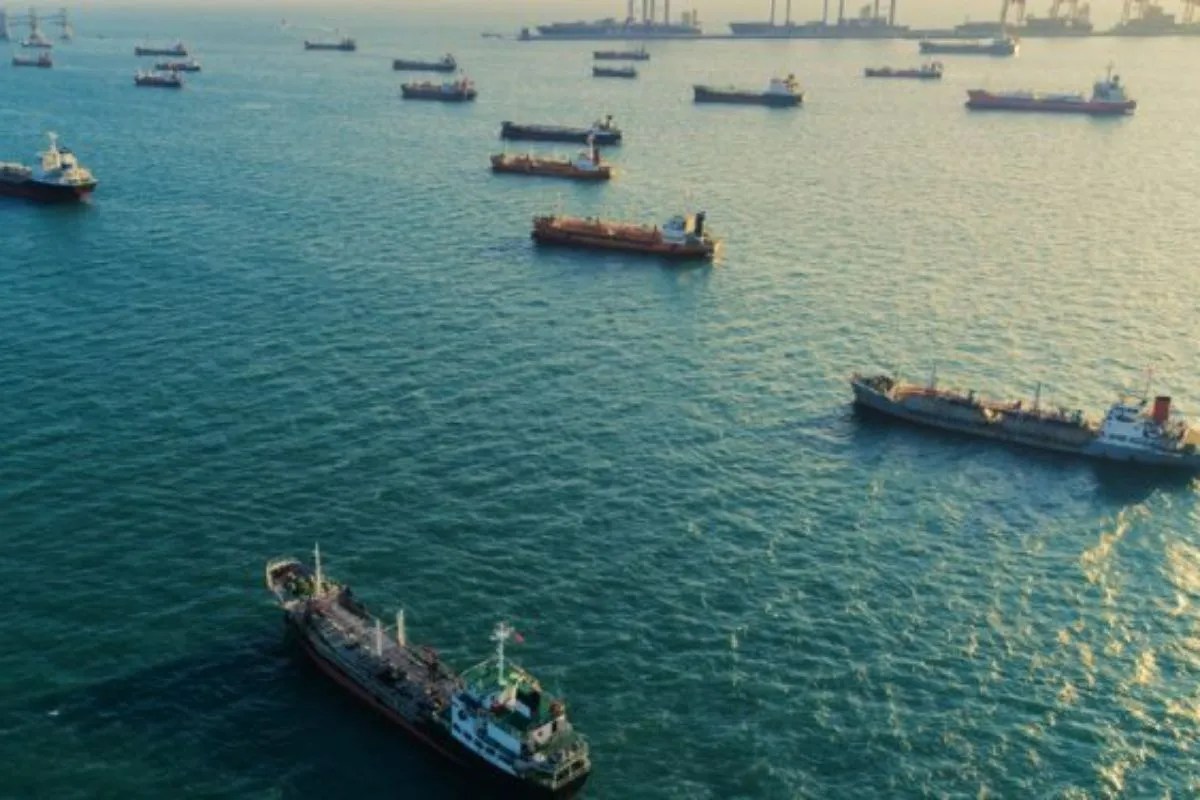
CENTCOM responded by re-routing traffic along a southern path hugging Oman’s coast and putting an iron-clad military escort on commercial fleets. Iran's claims of total blockades don't hold up when heavily armed naval destroyers are actively guiding tankers through the waves.
Why the US Flipped the Script This Time
In past conflicts, Western powers hesitated to push Iran too hard in the Persian Gulf out of fear that skyrocketing oil prices would destroy the global economy. But the economic playbook has changed.
While oil prices hit wartime highs of $120 a barrel earlier in this conflict, they've sharply dropped since. The global supply chain adapted faster than Tehran anticipated, which stripped Iran of its primary economic leverage.
The latest escalations kicked off after Iran used one-way attack drones and warning shots to target commercial container ships. Iran claimed these ships strayed into unapproved routes, but the international community saw it as blatant piracy.
The US response was immediate and devastating, targetting drone launch sites, command-and-control hubs, and radar installations across coastal Iran.
What This Means for Global Trade and Shipping
If you run a shipping logistics company or invest in energy, the situation remains incredibly tense but managed. Shipping insurance rates previously jumped four to six times over their baseline levels.
The US government stepped in to back stop insurers under the Terrorism Risk Insurance Act, keeping commercial traffic moving even under severe threat levels.
- Navigation Changes: Ships are avoiding the northern Iranian-monitored routes entirely. They are strictly sticking to the southern corridor under international naval protection.
- Asymmetric Tactics: Denied direct conventional dominance, Iran is relying on satellite spoofing, GNSS jamming, and sea mines. Navigators are relying heavily on old-school visual tracking and heavily secure military data feeds to avoid getting thrown off course.
- The Red Sea Shadow: Feeling the squeeze at Hormuz, Iran threatened to disrupt the Bab al-Mandab strait in the Red Sea. It's a desperate move that shows how badly their primary leverage point has been compromised.
Any future diplomatic progress or nuclear negotiations are now completely tied to maritime peace. The US made it explicitly clear to UN mediators that no sanctions relief or material deals will happen until Iran stops attacking commercial vessels and accepts that the strait belongs to international commerce, not Tehran.
If you operate vessels anywhere near the Persian Gulf or the Gulf of Oman, ensure your crews are trained for active GNSS jamming environments. Do not attempt to coordinate transit independently with Iranian port authorities without consulting the Joint Maritime Information Center's latest safety directives. Stick strictly to the internationally protected southern lanes.