You can't broker a maritime truce when one side refuses to drop its weapons.
Just days after the United Nations celebrated a massive breakthrough to rescue over 11,000 stranded seafarers in the Persian Gulf, the whole operation ground to a sudden halt. The International Maritime Organization (IMO) officially paused its high-stakes evacuation plan on June 25, 2026, after an explosive drone strike hit a commercial ship right outside the bottleneck.
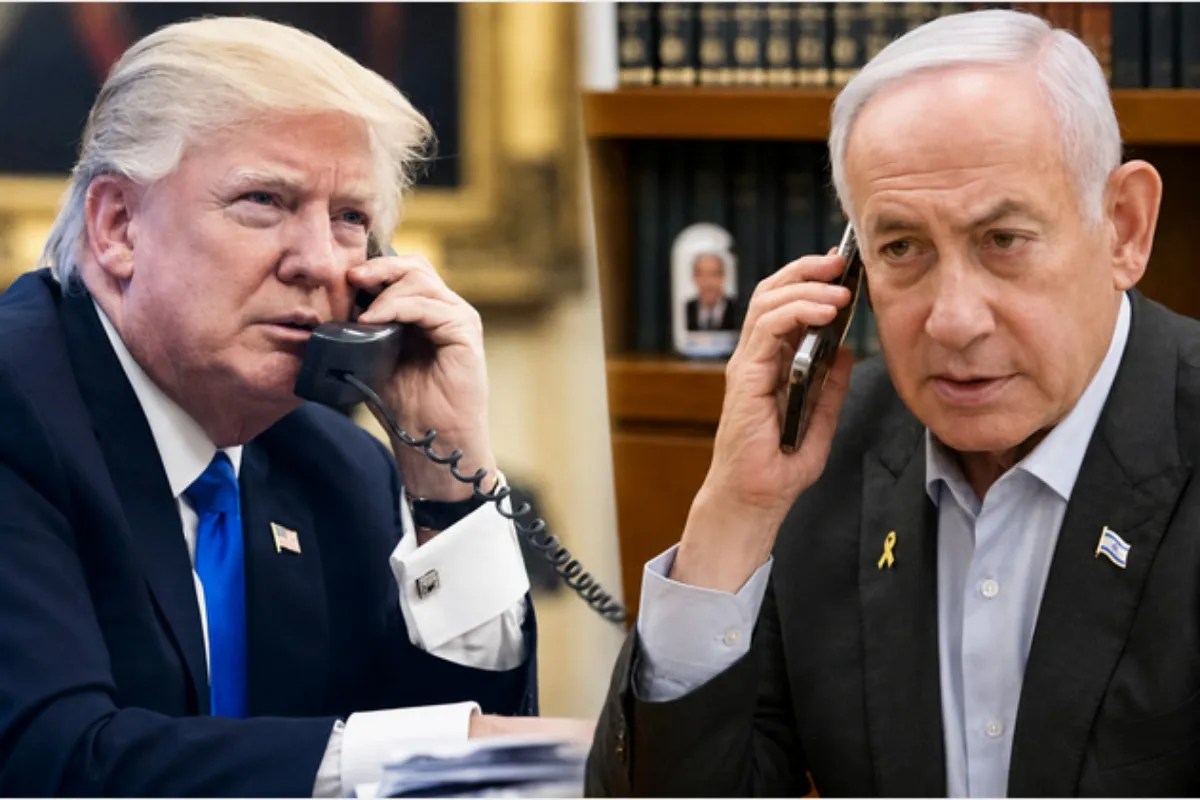
If you are tracking global oil markets or wondering why your shipping stocks just spiked, this is the flashpoint. The temporary peace deal signed last week between the Trump administration and Iran is already unraveling in public view. It turns out that securing "safety guarantees" in the world's most dangerous choke point is a lot harder than getting politicians to sign a piece of paper.
Anatomy of the Attack on the Ever Lovely
The disruption started when the Ever Lovely, a merchant vessel transiting near the coast of Oman, took a direct hit to its starboard side. The British military's United Kingdom Maritime Trade Operations (UKMTO) center confirmed that a projectile damaged the ship's bridge.
A U.S. official later confirmed that the culprit was an Iranian drone flown by the Islamic Revolutionary Guard Corps (IRGC).
IMO Secretary-General Arsenio Dominguez quickly clarified that the Ever Lovely wasn't actually part of the official U.N. evacuation fleet. But that distinction doesn't matter to the shipping industry. If Iran is actively flying kamikaze drones into merchant hulls in the Gulf of Oman, no captain in their right mind is going to sail into the corridor. Dominguez made the only logical call available, putting the evacuation on hold until the U.N. can reconfirm that safe passage guarantees mean something.
The timing wasn't a coincidence. Hours before the drone strike, Iran's newly minted Persian Gulf Strait Authority explicitly threatened vessels on social media. Tehran declared that any ship moving outside of Iran’s own designated channels "will not be covered by the guarantee of safe passage." The naval arm of the Revolutionary Guard followed up with a blunt statement through state media, calling the U.N.-backed route "unacceptable and completely dangerous" because it was drawn up without their coordination.
They basically told the world they would shoot, and then they did.
What Most People Get Wrong About the New Shipping Route
Mainstream coverage frames this as a random act of aggression, but it’s actually a fight over territory and cash.
The U.N. and Oman designed an alternative passage that hugs the coast of the United Arab Emirates and Oman, snaking past the Musandam Peninsula. This route was supposed to bypass the center of the Strait of Hormuz, which Iran heavily mined back on February 28 after clashes with the U.S. and Israel.
| Route Metrics | Pre-War Status | Current Evacuation Route |
|---|---|---|
| Daily Vessel Transits | 130+ ships | 78 ships (Peak Wednesday) |
| Control Entity | International waters / Shared corridors | Oman & U.N. International Maritime Organization |
| Primary Danger | Navigational hazards | Active naval mines and IRGC drone corridors |
The alternative passage was supposed to relieve pressure on the global economy. It briefly worked. For a minute there, oil prices dipped below $73 a barrel as tankers like the Stoic Warrior and vessels chartered by Maersk successfully cleared the strait.
But the new route completely strips Iran of its main leverage in ongoing peace negotiations. If the world can bypass Iran's minefields without paying Tehran’s newly proposed transit fees and tolls, Iran loses its grip on 20% of the world's liquefied natural gas and oil traffic. By attacking the Ever Lovely, Iran demonstrated that its reach extends well past its own territorial waters and straight into the Gulf of Oman.
The Diplomatic Fallout for the Trump Administration
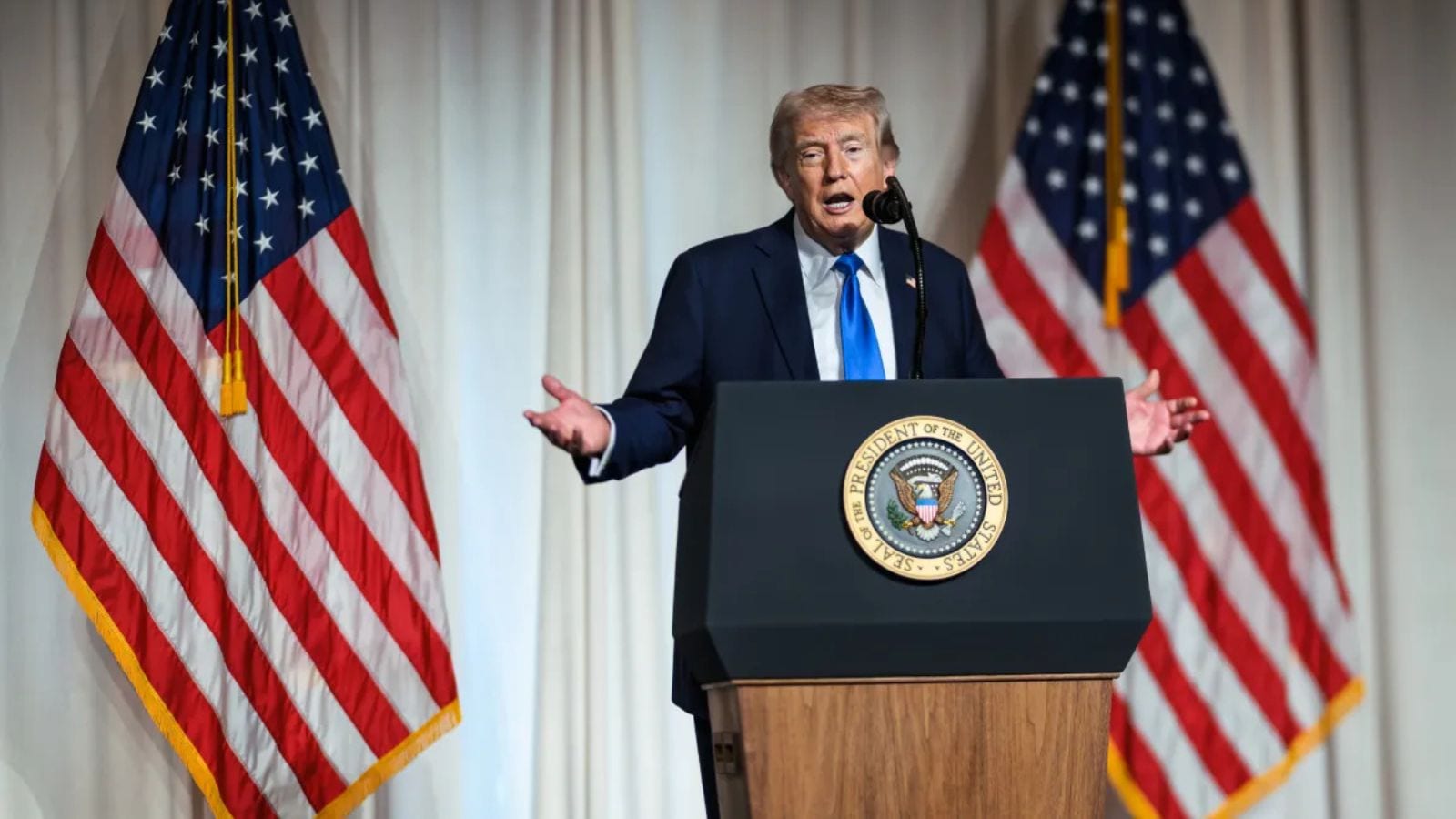
This drone strike throws a massive wrench into the 60-day ceasefire memorandum of understanding negotiated by Vice President JD Vance and Iranian diplomats. The White House wants a quick win to lower energy prices, but Iran is playing a much more volatile hand.
Secretary of State Marco Rubio was just in Bahrain trying to assure Gulf allies that Washington has the situation under control. Right before the strike, Rubio warned that if ship transits stop, "we're going to have a problem."
Well, now we have a problem.
The underlying issue is that the U.S. and Iran are trying to negotiate a complex deal in public while fighting a proxy war on the side. Iran wants a full regional truce, including a demand that Israel pull out of southern Lebanon—a condition Israel completely rejects while ramping up air strikes against Hezbollah.
Your Next Steps for Managing Maritime Risk
If you operate in global logistics, supply chain management, or energy trading, you can't rely on diplomatic breakthroughs to protect your bottom line. Take these immediate actions to insulate your operations from the Hormuz bottleneck.
- Activate Alternative Bunkering Hubs: Do not rely on Fujairah or Persian Gulf ports for immediate refueling schedules if your vessels are trapped inside the gulf. Shift primary bunkering logistics to Singapore or West African hubs until the IMO confirms safe passage guarantees.
- Audit War Risk Insurance Clauses: Standard maritime insurance won't cut it right now. Review your hull and machinery policies specifically for "blocking and trapping" addendums, as thousands of seafarers remain stuck behind Iranian mine lines.
- Re-Route Non-Energy Freight to Rail Corridors: For overland container movement escaping the Gulf, look into the Saudi landbridge rail options to move goods directly to Red Sea ports, avoiding the Strait of Hormuz entirely.