Donald Trump stepped up to the podium for a prime-time address Thursday night and dropped a massive claim: China compromised 220 million U.S. voter files and executed a sweeping interference campaign during the 2020 election cycle.
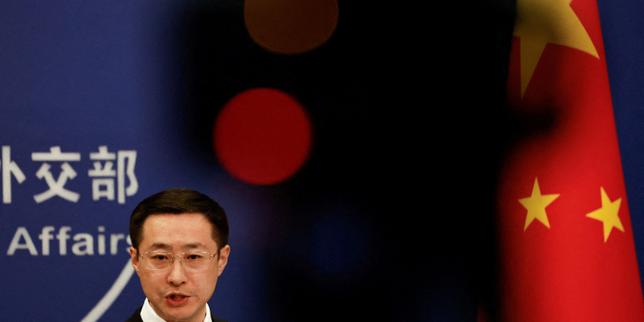
By Friday morning, Beijing hit back with equal force. Chinese Foreign Ministry spokesperson Lin Jian dismissed the allegations outright, labeling them "pure inventions" and a deliberate campaign to vilify China ahead of the upcoming U.S. midterm elections.
The exchange marks a sharp escalation in rhetoric between the world's two largest economies, coming right when diplomatic relations appeared to be stabilizing following a high-stakes bilateral summit in Beijing earlier this summer.
The Specific Claims Released by Washington
During his 25-minute address, President Trump announced the declassification of specific intelligence documents that he argued proved systemic vulnerabilities in American voting infrastructure.
According to Trump's statement, the Chinese Communist Party operated a multi-pronged campaign starting in mid-2018. The stated goal was to leverage opposition elements to reduce his vote count, pressure him to resign, or prevent his reelection in 2020. Central to his argument was the claim that Chinese threat actors gained access to vast troves of voter registration data containing sensitive personal details of millions of American citizens.
Beyond the voter file claims, Washington announced immediate administrative actions targeting Chinese media outlets. The administration trimmed permitted visa stays for Chinese foreign correspondents down to 90 days, while placing a 240-day cap on other foreign journalists.
Beijing's Counterattack and the Diplomatic Fallout
China's foreign ministry wasted no time firing back during its regular press briefing in Beijing. Lin Jian reiterated Beijing's long-standing foreign policy stance, stating firmly that China maintains a policy of non-interference in the internal political affairs of other nations.
"The relevant allegations by the U.S. are entirely fabricated and aimed at vilifying China," Lin told reporters. "We have no interest in interfering in U.S. elections and have never done so."
Lin turned the tables by pointing to global surveillance practices, questioning Washington's own track record of foreign intervention and large-scale data collection worldwide. He called on Washington to immediately withdraw the new visa restrictions on foreign journalists, warning that China reserves the right to take reciprocal countermeasures.
The timing of this diplomatic spat is particularly delicate. Trump visited Beijing in mid-May to meet with President Xi Jinping, where both sides agreed on a temporary framework to manage political and economic tensions. Xi had accepted an invitation to visit the United States in September, but this sudden clash casts a shadow over whether those bilateral talks will proceed as planned.
How Declassified Intelligence Contradicts the Rhetoric
When you look past the public political spats and analyze the actual documents released by the administration, a much more nuanced narrative emerges.
In fact, several key pieces among the newly declassified documents appear to push back against claims of widespread vote manipulation:
- The 2021 DNI Intelligence Assessment: Conducted under former Director of National Intelligence John Ratcliffe, the official assessment concluded there was no evidence that any foreign actor altered or technical aspect of the 2020 election, including vote tabulation or voter registration databases.
- CIA System Evaluations: One newly released CIA document explicitly stated that U.S. vote tabulation systems are remarkably difficult to manipulate on a scale large enough to change national election results.
- Intent vs. Action: A separate CIA report noted that while Chinese intelligence monitored campaign dynamics, Beijing did not possess a concrete plan to covertly intervene to sway the ultimate outcome of the election.
- Irrelevant Filings: Curiously, some declassified files released alongside the domestic election reports actually focused on electoral systems in South American nations like Venezuela rather than U.S. voting infrastructure.
Why This Timing Matters Right Now
Understanding this political battle requires looking at the broader calendar. With midterm elections scheduled for November, domestic election security and foreign policy are dominating the news cycle once again.
Trump continues to push for stricter federal election legislation, advocating for mandatory citizenship verification and tighter voter identification rules. Re-engaging with claims about foreign interference serves a dual purpose: it energizes a core political base while applying external pressure on foreign competitors.
For Beijing, maintaining a firm stance against foreign interference accusations is vital for maintaining domestic stability and presenting a confident image on the world stage. Admitting to any degree of interference would invite severe international sanctions and disrupt trade recovery efforts.
What to Watch Next
The coming weeks will show whether this friction derails broader diplomatic ties or remains confined to campaign rhetoric. Here are the immediate steps to monitor as the situation unfolds:
- Watch diplomatic communications regarding the September summit: Pay close attention to official scheduling statements from the White House and Beijing regarding President Xi's planned U.S. visit.
- Track reciprocal media policy updates: Monitor whether China responds to the 90-day journalist visa caps with matching restrictions on American correspondents operating inside China.
- Follow congressional action on election security: Track whether legislative leaders leverage these declassified files to push new federal voting standards through Congress prior to the midterms.