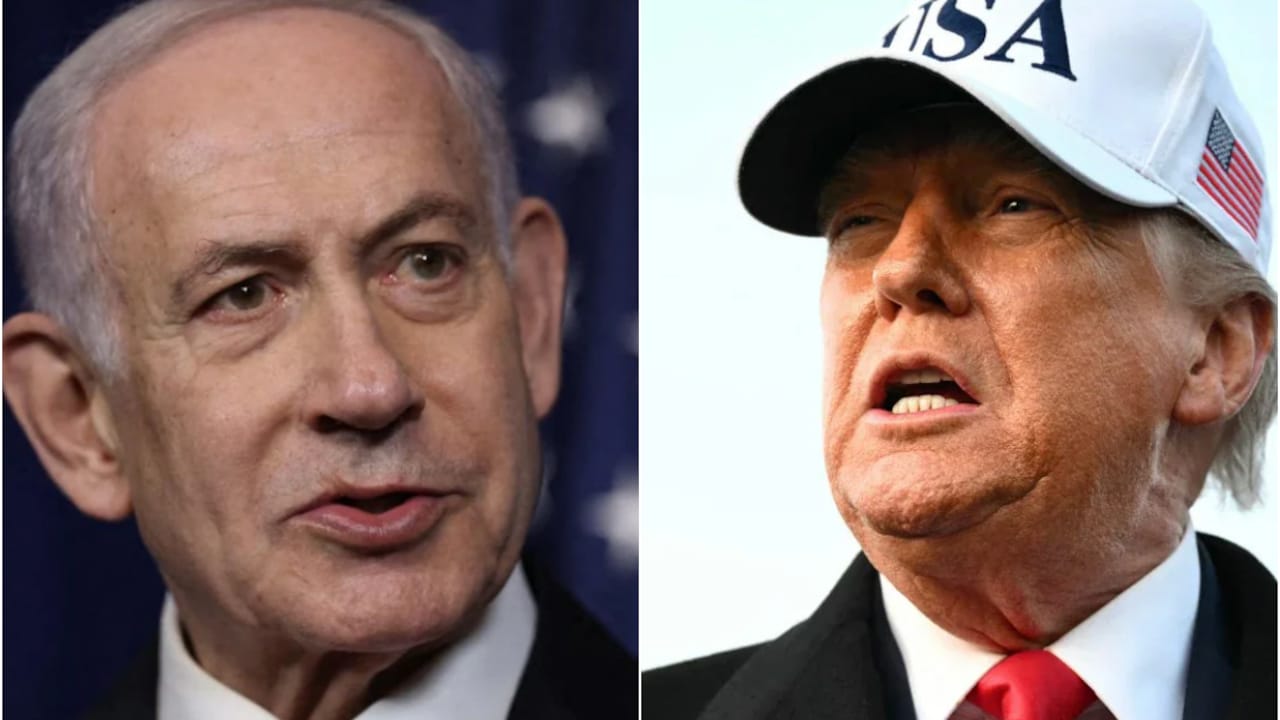
Donald Trump just declared the interim ceasefire with Iran dead. Hours later, American bombs started falling near Iran's civilian nuclear infrastructure, and Trump was straight on the phone with Israeli Prime Minister Benjamin Netanyahu.
This isn't just another routine diplomatic check-in. It's a coordinated strategic alignment during the most volatile week of the 2026 West Asia war.
The Israeli Prime Minister's office confirmed the call on X, noting that Trump updated Netanyahu on American military action in the Persian Gulf. This briefing happened right as explosions rocked southern Iranian cities like Bushehr, Konarak, and Choghadak. Bushehr is home to Iran's only active nuclear power plant, making the geography of these fresh strikes incredibly significant.
The Illusion of the Two Week Truce
Everyone hoped the temporary truce brokered back in April would stick. It didn't. The moment Israel expanded operations into Lebanon and Iran kept the Strait of Hormuz choked off to commercial shipping, the deal was on life support.
Trump announced on Truth Social that the ceasefire was officially over. He claimed the renewed aerial bombardment acts as direct retribution for Iranian attacks on commercial vessels and civilian crews. The Pentagon says it aims to force open the Strait of Hormuz, a choke point controlling nearly a fifth of the world's oil supply.
But look at the timing. Trump insists he expects this flare-up to wrap up very fast. He told reporters at the NATO summit in Ankara that the US isn't looking for a long-term engagement. History shows that entering a conflict with Iran is easy, but getting out is a completely different story.
What the Media Missed in the Trump Netanyahu Call
Most news outlets are just printing the official press release from Jerusalem. They tell you Trump called Netanyahu to talk about the Gulf. They don't explain what those "moves" actually mean on the ground.
- Intelligence Sharing on Nuclear Targets: The strike near Bushehr happened near noon, right after US Central Command claimed its initial wave had ended. Local Iranian officials accuse the US of hitting close to the nuclear facility. By briefing Netanyahu immediately, Trump is signaling full operational transparency with Israel regarding Iran's nuclear perimeter.
- Coordinating the Response to Missiles: Right after the US strikes, Iran's Revolutionary Guards launched ten ballistic missiles at Jordan's Azraq military base. Jordan claims it intercepted eight. Iran openly threatened to strike every US and Israeli asset in the region if the bombing continues. Trump and Netanyahu had to map out how their integrated missile defense systems will handle the next inevitable volley.
- The Shadow of the Succession Crisis: This escalation is happening exactly as Iran buries Supreme Leader Ali Khamenei in Mashhad. Khamenei was killed months ago in the initial joint US-Israeli wave. The political vacuum in Tehran is massive right now, and Washington and Jerusalem are likely coordinating how to exploit this specific moment of vulnerability.
The Economic Realities of a Choked Strait
You can't talk about this war without talking about oil. The global economy is already reeling from fuel crises caused by four months of sustained fighting.
When the US launched its fresh naval blockade, Iran responded by moving its oil exports out at breakneck speed, searching for any buyer willing to skirt international sanctions. Financial markets are swinging wildly. Trump claims the strikes will ultimately make the waterways safer for oil transport, but the immediate impact is the exact opposite. Every time a tanker gets targeted in the Gulf, insurance premiums skyrocket, and consumers feel it at the pump days later.
Moving Beyond the Official Rhetoric
Don't buy into the clean, surgical narrative coming out of official military briefings. This conflict has already cost US taxpayers over $113 billion in 2026 alone. Thousands of civilians and military personnel have died across the region.
Israel's military is simultaneously tied down in southern Lebanon, capturing Hezbollah operatives from the Radwan Force, while battling regional factions in Iraq and Yemen. The idea that this will be over "very quickly" ignores the reality of multi-front warfare.
Keep a close eye on the diplomatic channels in Oman and Turkey. While Trump and Netanyahu align their military goals, Iranian diplomats are frantically calling regional neighbors to find a backdoor out of total devastation.
If you want to understand where this crisis goes next, track the movement of commercial oil tankers around Kharg Island. If shipping halts completely, expect the US to intensify its bombardment, forcing Israel to decide whether to launch its own independent strikes on mainland Iran. Watch the shipping data, ignore the political grandstanding, and prepare for a volatile summer.