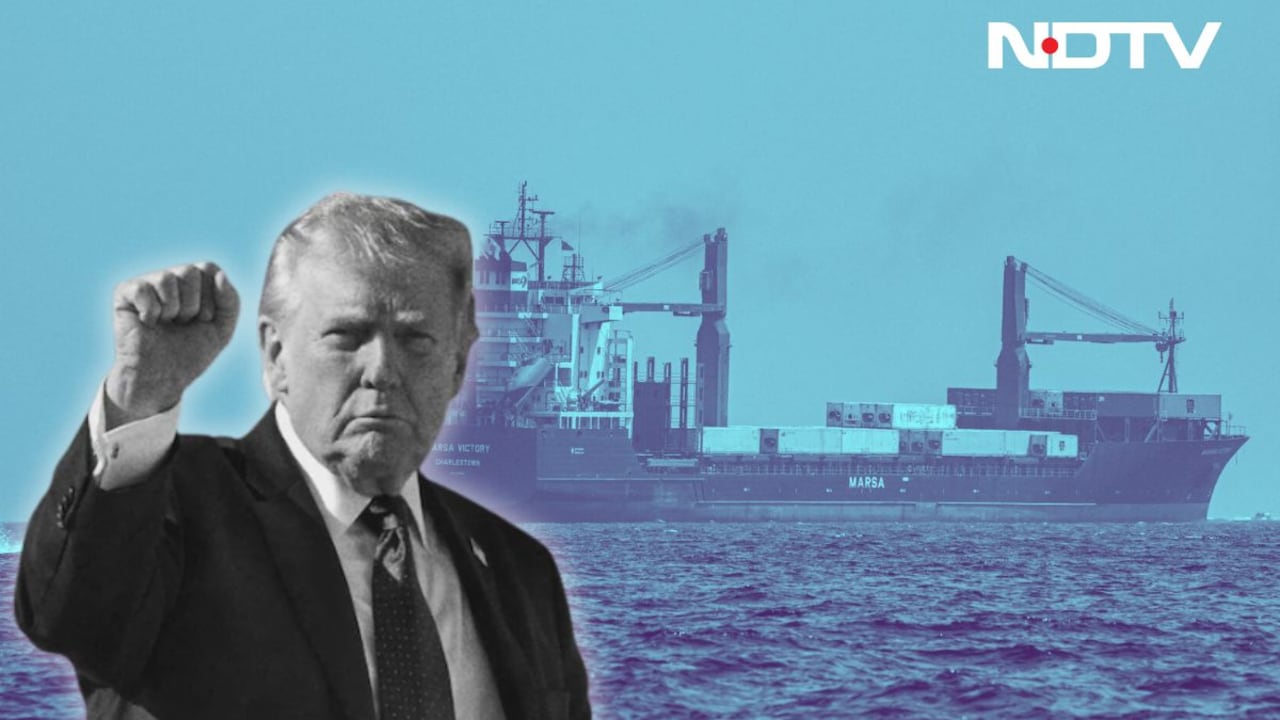
The gridlock in the world's most volatile energy bottleneck is finally breaking. Hours after Washington and Tehran agreed to an unexpected truce, commercial vessels stuck inside the Strait of Hormuz began firing up their engines.
Donald Trump wasted no time taking credit. Moving toward the G7 summit in France, he jumped onto Truth Social to declare a massive logistical victory. If you found value in this article, you should check out: this related article.
"Ships are starting to move, many loaded up with Oil, out of the Strait of Hormuz," Trump posted. "They are going along the Southern 'Highway,' which is totally safe, secure, and pristine. There are other areas of travel, also!!!"
This isn't just typical political boasting. The sudden movement of these tankers marks the first real evidence of de-escalation after months of intense military standoff. Since the conflict erupted back on February 28, global energy markets have been choking. But while the White House celebrates a "safe and pristine" exit route, the reality on the water is far more complicated than a single social media post suggests. For another look on this story, refer to the recent update from The Washington Post.
The Breakthrough Behind the Southern Highway
What exactly is the Southern Highway? Trump's folksy branding refers to the shipping lanes running closer to the Omani coast, safely away from the Iranian territory that turned the northern passage into a shooting gallery.
For months, passing through here was a gamble nobody wanted to take. After the US-Israeli strikes in late February, the Islamic Revolutionary Guard Corps (IRGC) practically locked down the strait. Insurance companies stripped away war-risk coverage. Sailors exercised their right of refusal to enter the zone.
The breakthrough didn't happen by accident. Pakistani Prime Minister Shehbaz Sharif led frantic, behind-the-scenes mediation that culminated in a permanent termination of military operations. Following the diplomatic breakthrough, Trump announced he was lifting the US naval blockade imposed in April.
Strait of Hormuz Shipping Lanes
[Northern Route: Iranian Waters] -> Heavily mined / Restricted
[Southern Route: Omani Waters]   -> Trump's "Southern Highway" (Currently clearing)
But don't assume the global energy crisis disappears overnight. The full text of the treaty isn't public yet. While Vice President JD Vance heads to Switzerland to sign the formal accord on Friday, shipping executives are still biting their nails over the fine print.
What the Mainstream Media Isn't Telling You About the Deal
If you read the standard news feeds, it sounds like the tankers just raised their anchors and sailed away into the sunset. They didn't.
The Ghost Escorts
Trump dropped a bombshell alongside his announcement, claiming the US military had secretly assisted more than 200 commercial vessels through the strait since May. These operations allegedly snuck over 100 million barrels of oil past Iranian radars. Ship owners knew the risks. They ran anyway, protected by quiet American naval escorts that the Pentagon kept under wraps until now.
The Toll Booth Dilemma
Iran had been forcing ships to pay a hefty transit fee to pass through the waterway during the blockade. The biggest unresolved question right now is whether Tehran will keep running this extortion racket.
JD Vance told CNBC that the US expects a completely toll-free opening for the long term. However, expect Iran to fight tooth and nail during technical negotiations to keep some form of maritime tax.
The Secret De-mining War
You can't just sail a 300,000-ton supertanker through waters that were actively mined a few weeks ago. While Trump claims the route is pristine, US Navy crews are still quietly "hunting" for leftover naval mines. The southern highway is open, but captains are navigating with extreme caution.
The Real Cost of the Hormuz Standoff
The economic damage from this multi-month freeze was brutal. The Strait of Hormuz handles roughly 20% of the world's petroleum liquids. When the IRGC choked off the route, global oil prices didn't just tick upward—they skyrocketed.
It wasn't just oil, either. Liquefied natural gas (LNG), aluminum, and global helium supplies were completely derailed. The maritime sector took a massive beating, especially Indian seafaring communities. Drone strikes on commercial tankers like the MT Settebello and the Skylight killed several Indian crew members, turning a corporate shipping issue into a tragic humanitarian crisis.
When Trump tells the world that the oil is flowing again, he's trying to settle nervous Wall Street traders. The markets are responding positively, but complete stabilization takes time.
What Happens Next
The diplomatic theater moves to Switzerland this Friday for the official signing ceremony. If you are watching this crisis unfold, forget the political spin and watch these specific indicators over the next 72 hours.
- Watch the Insurance Premiums: Global maritime traffic won't fully return until London underwriters reinstate standard insurance rates for the Persian Gulf. If insurance costs stay high, the strait remains effectively closed to smaller operators.
- Look for the Legal Text: Check if Iran formally surrenders its right to collect "transit tolls" from international vessels. If they don't, expect another standoff by the end of the summer.
- Monitor Tanker Tracking Data: Satellite AIS signals don't lie. Don't just take the White House's word for it. Watch the actual transponder data to see if heavy-ballast supertankers are truly navigating the Omani coast without stopping.
The engines are running, and the blockade is technically over. But until the ink dries in Switzerland, the Southern Highway is less of a pristine freeway and more of a heavily guarded corridor.