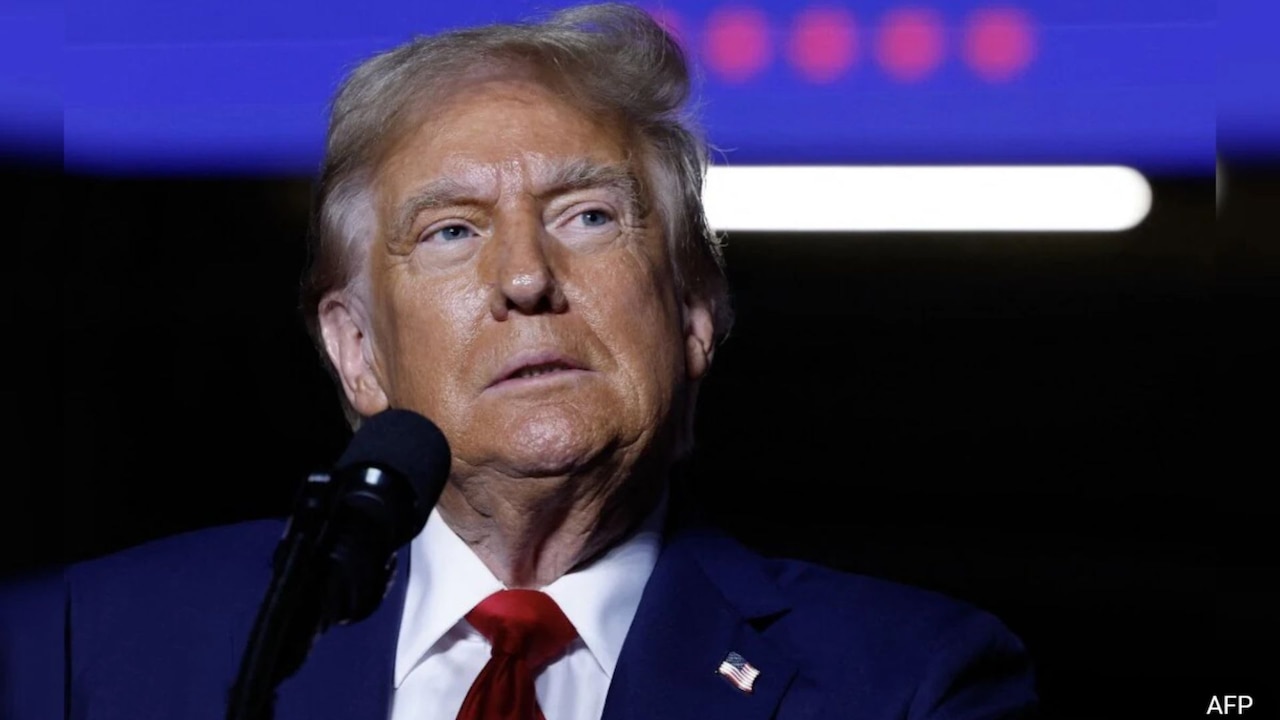
The brief illusion of peace in the Middle East has shattered. Just days after a fragile, Pakistani-mediated ceasefire offered a momentary gasp of relief, the United States and Iran are back at each other's throats. But this time, Donald Trump is not just targeting military outposts. He is threatening to turn off the lights in Iran.
During an interview with Fox News host Trey Yingst, Trump dropped a massive ultimatum. He gave Tehran exactly one week to get back to the negotiating table and sign a deal, or face the systematic destruction of its critical civilian infrastructure.
"We're going to hit them very hard tonight," Trump warned, describing the current wave of airstrikes. "We're going to hit them very hard tomorrow night. We're going to hit them very hard the night after. And then next week, it gets really bad for them, because next week comes the power plants. Next week comes the bridges."
It's a high-stakes game of chicken. The global economy is already feeling the squeeze, with oil prices jumping over 5% immediately following the resumption of hostilities. If Trump follows through, we are looking at an entirely new phase of this conflict.
The Strategy Behind Targeting Power Plants and Bridges
Trump has used this playbook before. Earlier in the conflict, he threatened "plant days" to strike at Iranian energy hubs. Now, he's threatening to make those plans a reality.
By threatening bridges and power plants, the US administration is moving away from purely degrading military capabilities. This is a deliberate pivot toward economic and psychological pressure. If you knock out a nation's electrical grid, you don't just stop their military radars. You stop their factories, water treatment facilities, hospitals, and daily life. You make the cost of defiance unbearable for the leadership in Tehran.
Trump claims that Iran has no choice but to negotiate. He revealed that US representatives were actively communicating with Iranian officials just an hour before his Fox News interview. According to Trump, the message was simple. Make a deal, or you won't have anything left.
Of course, the big question is whether this pressure will actually force Iran to capitulate. Historically, heavy-handed threats against sovereign nations can backfire. Instead of forcing them to the table, they often harden local resolve and unite a fractured populace against an external aggressor.
The Battle to Control the Strait of Hormuz
While Trump issues warnings about next week's targets, a very real battle is already playing out on the water. The United States has officially reinstated its naval blockade of all Iranian ports. Over 20 US Navy warships and hundreds of military aircraft are now patrolling the region to enforce it.
The primary flashpoint is the Strait of Hormuz, a narrow waterway where a fifth of the world's oil and natural gas passes during peacetime. When the ceasefire fell apart, Iran immediately retaliated by hitting commercial ships in the strait. Tragically, one of those strikes killed an Indian seafarer, highlighting the immense human cost of this maritime shadow war.
Trump's response to the shipping crisis has been characteristically erratic. Earlier, he floated a controversial plan to slap a 20% transit fee on all cargo passing through the Strait of Hormuz. He argued that if the US is acting as the "Guardian of the Strait," other nations should pay for the protection.
That plan drew immediate international backlash. Brazilian President Luiz Inácio Lula da Silva went so far as to call the proposed toll policy "piracy." Iranian Foreign Minister Abbas Araghchi mocked the idea, joking that Iran would happily offer the same security service for a much lower price.
In his latest interview, Trump backed off the tariff. He admitted he doesn't like the idea of a fee. Instead, he claimed that Gulf allies would rather spend massive sums of money directly in the US—presumably on defense contracts and trade—which he considers a better outcome. The goal now is to keep the strait open and free, largely because charging a toll might encourage other countries to start charging their own fees on global shipping lanes.
Who Will Fight the Ground War
One of the most revealing moments of Trump's latest remarks came when he was pressed on the limits of air power. Can the US actually stop Iran from building a nuclear weapon and keep the Strait of Hormuz open without sending boots on the ground?
Trump's answer was telling. He didn't rule out a ground invasion, particularly if the US decides to seize Kharg Island, a vital hub for Iranian oil exports. But he made it clear that American troops wouldn't be the ones doing the heavy lifting.
"Sometimes you need a ground campaign, but we have other people that will do the ground campaign for us," Trump said.
Who are these "other people"? Trump didn't specify. He could be referring to regional allies, proxy forces, or private military contractors. Relying on local partners to fight ground wars is a classic strategy, but it's fraught with danger. Proxy forces are notoriously difficult to control, and their involvement can easily draw neighboring countries into a wider, uncontrollable regional conflagration.
Why the Peace Deal Broke Down
Many people are wondering how we got back to the brink of total war so quickly. The Pakistani-mediated ceasefire was supposed to pave the way for a lasting peace agreement. Instead, it lasted only a few weeks.
The trust was never there. Trump lamented that "every time they make a deal, they break it," claiming that the two sides were incredibly close to an agreement just days ago before Tehran allegedly walked away and resumed attacks on shipping.
Iran has its own narrative. Tehran views the US naval blockade as an act of economic warfare. From their perspective, they cannot negotiate with a gun pointed at their head. The decision to withdraw from the US deal came down to a simple premise. Iran believes that controlling the Strait of Hormuz is a matter of national survival. They will not yield control of their own waters to a foreign blockade.
The situation is further complicated by rumors of severe instability within Iran's own leadership. Rumors are swirling around Mojtaba Khamenei, the son of the late Ayatollah Ali Khamenei. Trump recently claimed that Mojtaba is "90% gone" after being severely injured in a joint US-Israeli strike back in February. With the supreme leadership in question, the decision-making process in Tehran is highly volatile, making diplomatic breakthroughs even harder to achieve.
How to Prepare for the Next Stage of the Conflict
This conflict isn't happening in a vacuum. The escalation has immediate, real-world consequences for global markets and security. Here is how you should track and prepare for the fallout in the coming days.
- Watch the Oil Markets: The price of crude oil is the most direct indicator of geopolitical panic. If Trump's deadline passes next week and the US starts hitting Iranian power grids and refineries, expect fuel prices to spike rapidly.
- Monitor Regional Shipping: If you are involved in international trade, shipping routes around the Arabian Peninsula are highly compromised. Companies are already rerouting vessels around Africa, which adds massive delays and costs to global supply chains.
- Keep an Eye on Diplomatic Backchannels: Watch the actions of third-party mediators like Pakistan, Qatar, or Oman. If they pull their diplomats out or stop trying to broker talks, it's a strong sign that both sides have committed to a military solution.