Donald Trump didn't just endorse a massive military strike on Wednesday. He turned a major geopolitical escalation into a social media meme. Hours after US Central Command launched precision strikes against more than 80 military targets inside Iran, the president took to Truth Social to share his thoughts. He didn't issue a stuffy, boilerplate White House press release. Instead, he shared a screenshot of a post from X that read "I voted for this" paired with a flashing graphic of an explosion and a single word: "Boom."
For anyone hoping for diplomacy, it was a cold shower. Oil prices immediately skyrocketed by over 6%, with Brent crude jumping past $78 a barrel. The fragile interim ceasefire that held the region together for a few brief weeks is completely dead. Trump confirmed it himself on the sidelines of the NATO summit in Ankara, telling reporters that dealing with Tehran is simply a waste of time.
This isn't just about political theater. The strikes represent a massive kinetic shift in the Persian Gulf. Here is what really went down, why the old strategy failed, and what happens next.
The Reality Behind the 80 Target Blitz
The corporate media likes to focus entirely on the social media fallout, but the military reality on the ground is staggering. This wasn't a warning shot. According to CENTCOM, US forces used precision-guided munitions to systematically dismantle Iran's coastal defenses.
The targets included:
- Air defense installations and command networks.
- Coastal radar stations tracking international shipping.
- Anti-ship missile infrastructure scattered along the coastline.
- Upward of 60 Islamic Revolutionary Guard Corps fast-attack craft.
The Pentagon insists this was a direct response to Iran targeting three commercial vessels transiting the Strait of Hormuz. Tehran claims the US violated previous agreements by tightening oil sanctions, so they hit the shipping lanes. The US hit back ten times harder.
Explosions rocked southern Iranian port cities like Bandar Abbas, Sirik, and Qeshm. In Sirik, projectiles tore through commercial and fishing piers. The message from Washington was loud, clear, and incredibly violent.
The Timing Could Not Be Worse
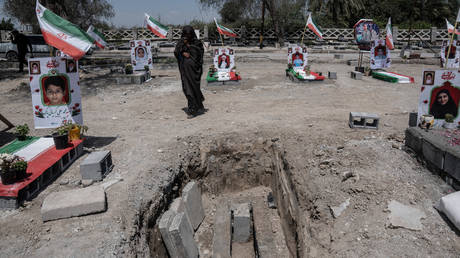
The timing of these strikes reveals a deeper layer of friction. The bombs dropped while Iran was holding funeral proceedings for its former Supreme Leader, Ayatollah Ali Khamenei, who died earlier this year. High-level negotiations for a permanent peace deal were literally scheduled to begin right after the burial ceremonies.
Those talks are history now. Iran's Parliament Speaker, Mohammad Bagher Ghalibaf, fired back on social media, accusing the US of bullying and extortion. He warned that Tehran won't fold.
Meanwhile, regional panic is setting in. Bahrain, home to the US Navy's Fifth Fleet, activated its missile alert sirens as its neighbors braced for a massive retaliatory wave from Iran's ballistic missile arsenal.
What Most Analysts Miss About the Trump Strategy
A lot of foreign policy talking heads are losing their minds over the "Boom" post, calling it unpresidential. They missed the point. Trump uses social media as an unvarnished tool of deterrence. By signaling absolute enthusiasm for the strikes, he's telling Tehran that he isn't afraid of a full-scale regional conflict.
He's also using this crisis to squeeze his allies. In Ankara, Trump openly admitted he used the conflict to test the loyalty of NATO partners. He expressed deep disappointment that several European allies refused to let the US use their airbases for these specific strikes or send ships to secure the Strait of Hormuz. Turkey, while keeping its own military out of the direct fighting, has been much more cooperative behind the scenes, particularly regarding the shared goal of preventing a nuclear Iran.
Where We Go From Here
The illusion of a quick diplomatic fix in the Middle East is gone. If you're managing supply chains, investing in energy markets, or just trying to make sense of global security, you need to adjust to this new reality immediately.
Keep an eye on the Strait of Hormuz traffic reports over the next 48 hours. Iran has threatened a total standstill of shipping lanes, and any further disruption will send inflation spiking right back up. Watch how the US Treasury handles Iranian funds next. The administration already promised to extract compensation for any alliance ship damages directly from frozen Iranian accounts. The diplomatic playbook is in the trash, and economic warfare is taking its place.