Washington wants to flex its trade muscles again, but the math just doesn't add up.
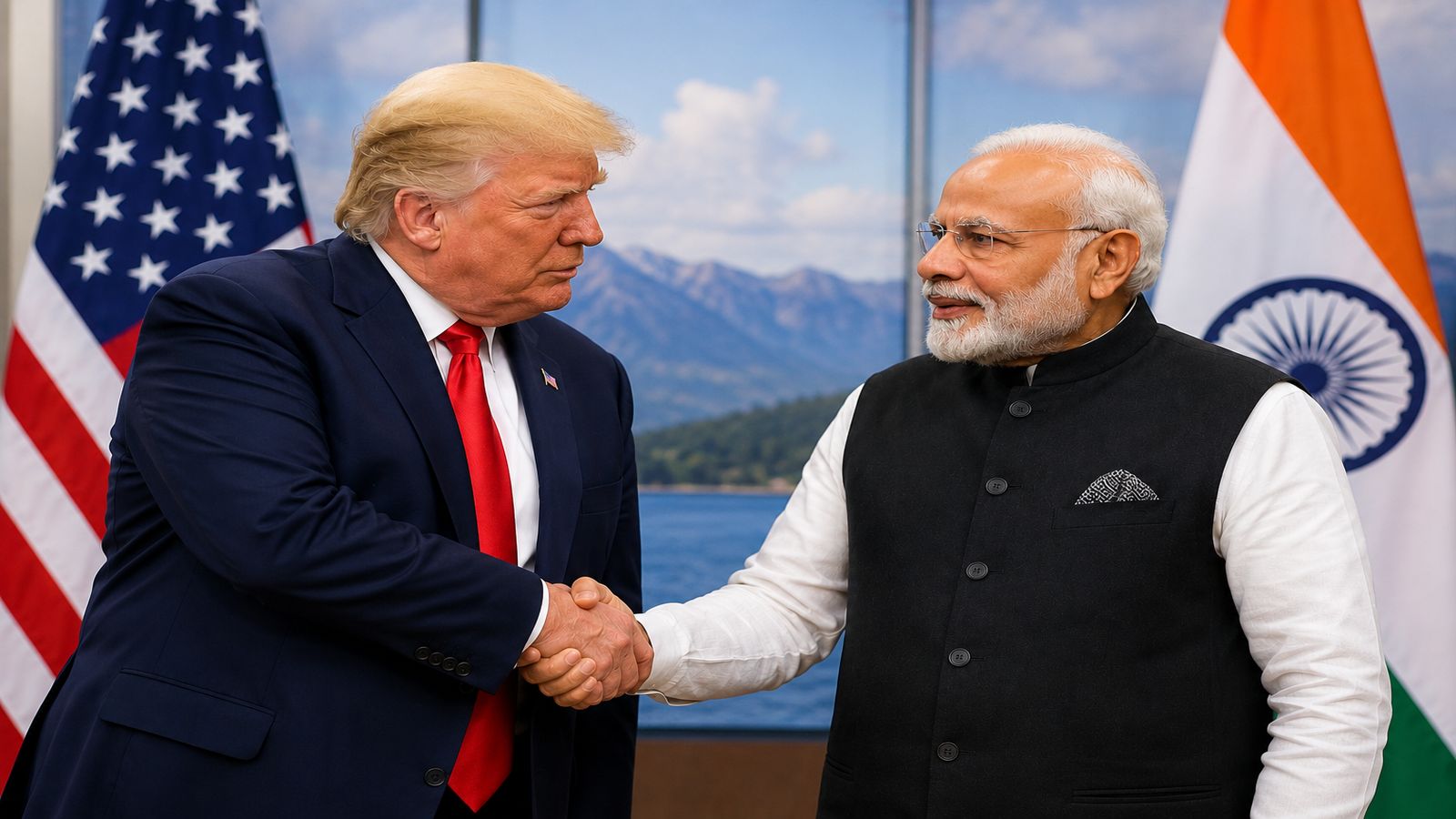
The Office of the United States Trade Representative (USTR) recently dropped a massive policy bomb under Section 301 of the Trade Act of 1974. It slapped 60 economies with allegations of failing to block goods made with forced labor. The proposed fix? A blanket 12.5% tariff on Indian goods, matching the penalty given to China.
It sounds like a moral high-ground play. The actual reality is a total mess.
New Delhi isn't taking this sitting down. Indian commerce officials and industry bodies just wrapped up a fierce pushback at the USTR public hearings. They aren't just defending their domestic supply chains; they're pointing out massive, gaping hypocrisies in how America runs its trade policy. If Washington pushes through with these punitive duties, it won't be Indian factories suffering alone. It's the American consumer and manufacturer picking up the tab.
The Evidentiary Black Hole in Section 301
Let's look at what the USTR actually did. They ran a sweeping, multi-country investigation and concluded that because India doesn't have an explicit legislative ban on importing forced-labor goods, its whole trade system is "unreasonable" and distorts the market.
That's a lazy legal leap.
Brij Mohan Mishra, Joint Secretary in India’s Ministry of Commerce, called out this lack of actual homework during his testimony. India’s argument is simple: you can't just issue a blanket penalty across dozens of unique economies without doing country-specific assessments. A missing specific import clause doesn't mean a country runs on forced labor. India already has strict constitutional and statutory bans against forced labor within its borders.
"A mere absence of a forced labor import prohibition cannot be construed as 'unreasonable' within the meaning of Section 301," New Delhi stated in its official submission.
Worse, the US hasn't shown a shred of credible evidence linking India's core export sectors to these practices. The USTR basically told 54 nations they're guilty until proven innocent, failing to show how Indian policies cause any measurable harm to American businesses.
Rules for Thee but Not for Me
If the goal is truly about eradicating exploitation from global supply chains, the rules should apply everywhere. Except they don't. India flaggered two massive inconsistencies during the Washington hearings that make the USTR look less like a human rights watchdog and more like a protectionist bully.
- The 1,600-Item Loophole: The US quietly exempted around 1,600 products from this entire forced labor scrutiny. Why? Because those items cannot be grown or produced inside the United States. If Washington truly cared about the ethics of the supply chain, a product's origin wouldn't matter based on domestic convenience. Exempting things you need completely blows up the ethical foundation of the policy.
- The Textile Subsidy Trap: The US proposed a special mechanism for textiles. Foreign garment factories get a break and face lower tariff rates only if they source their raw cotton and textile inputs from the United States. It's an arbitrary sourcing constraint disguised as humanitarian oversight. It forces foreign manufacturers to buy American material while doing absolutely nothing to track or solve actual labor issues on the ground.
American Businesses Are Facing the Real Tax
Let’s talk about who actually pays for tariffs. Hint: it’s never the exporting country. It’s the importer.
Poornima Shenoy, representing the Federation of Indian Chambers of Commerce and Industry (FICCI) at the hearings, made it clear that these duties will simply act as a tax on American companies. Retailers, manufacturers, and regular shoppers will feel the squeeze immediately.
Take sectors like shrimp farming, jewelry, and textiles. India is a primary sourcing partner for US firms precisely because of long-term reliability and compliance setups. If you tack a 12.5% premium onto those goods, US brands can't just magically find another supplier overnight. Moving supply chains takes years and millions of dollars. In the meantime, American businesses will either eat the cost—wiping out their profit margins—or pass it directly to consumers who are already sick of inflation.
Proposed USTR Tariff Structure (June/July 2026)
--------------------------------------------------
Tier 1: 12.5% Tariff -> India, China, and 46 others
Tier 2: 10.0% Tariff -> Canada, EU, Mexico, Indonesia
Notice the competitive distortion there. Competitors like Indonesia face a lower 10% tariff, while India gets hit with 12.5%. This doesn't fix a global supply chain issue. It just arbitrarily reshuffles the deck to favor certain trading blocks over others.
The Smarter Way Forward
Unilateral trade wars are messy, predictable, and rarely work. New Delhi isn't dodging the conversation; they are asking for a mature approach. The infrastructure to handle these disputes already exists. The India-US Trade Policy Forum and ongoing bilateral trade agreement negotiations are the exact spaces meant to hash out regulatory differences.
Using a heavy-handed Section 301 hammer to force legislative changes in another sovereign democracy is a bad look. It risks breaking trusted economic alliances at a time when global supply chains are already fragile.
If you run a business relying on international sourcing, you need to audit your exposure now. Don't wait for the final USTR ruling. Look closely at your supplier compliance documentation, map out alternative shipping logistics, and prepare your pricing models for a bumpy quarter. Washington's trade policy might be wrapped in the language of human rights, but your bottom line is the one taking the hit.