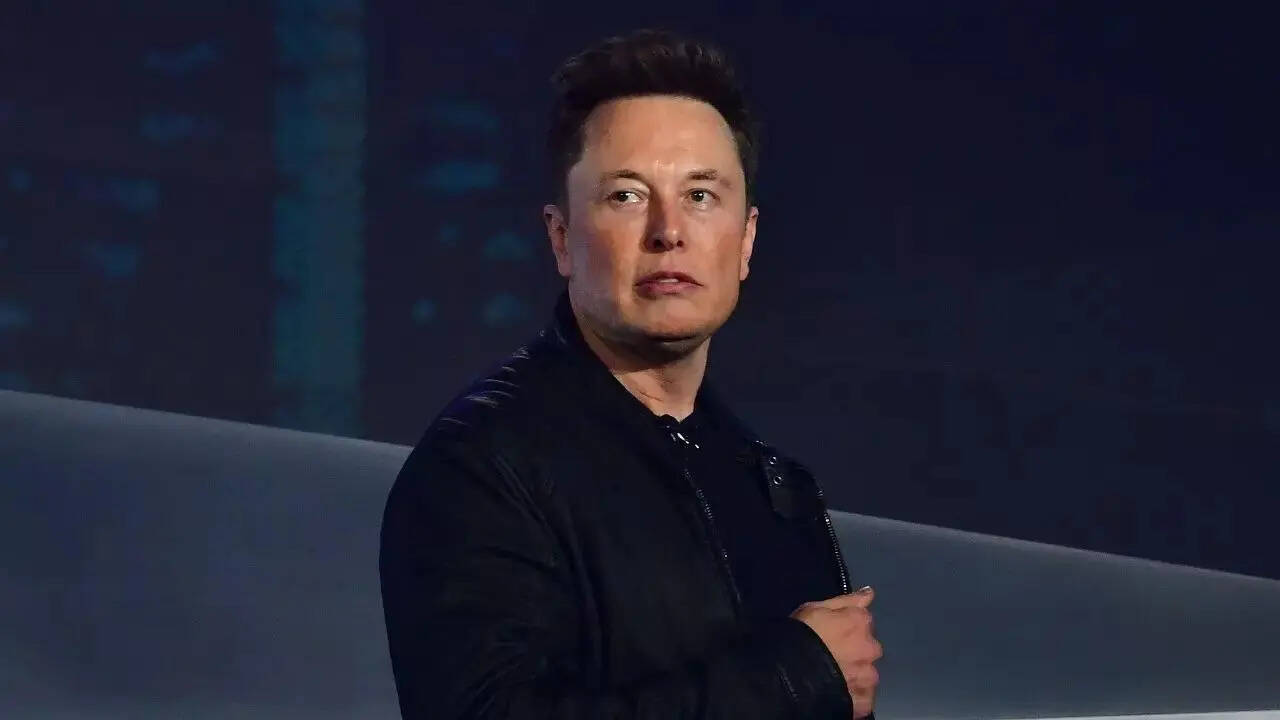
When shareholders at mining titan Vale elected Manuel Oliveira as board chair after a fierce corporate dispute, it wasn't just standard boardroom musical chairs. It capped off a high-stakes standoff over political pressure, pension fund influence, and how private capital operates in South America.
If you own global stock funds, track commodity markets, or care about corporate governance, this story directly impacts you. Here is the real story behind the headlines, what pushed former chair Daniel Stieler out, and what this governance shift signals for global investors. For an alternative view, see: this related article.
What Actually Happened at Vale
The drama came to a head when Previ, the Banco do Brasil employee pension fund holding a 7% stake in Vale, pushed for the early removal of board chairman Daniel Stieler. Previ claimed it wanted an independent figure to lead board succession and upgrade strategic oversight.
However, the move kicked up a storm. Vice-chair Marcelo Gasparino openly warned about political interference risks, pointing out that Previ historically functioned as a channel for government influence. Even though Vale's board majority initially resisted Stieler's forced exit, Stieler resigned early in July 2026 to avoid a brutal shareholder vote. Similar analysis on the subject has been shared by Reuters Business.
That set up the vote where shareholders chose Manuel Oliveira—a lead independent director and seasoned mining industry expert with roots at Anglo American—over Gasparino.
Key Players in the Vale Board Dispute:
• Previ: Pension fund (7% stake) that requested the shake-up.
• Daniel Stieler: Former chair who resigned under pressure.
• Manuel Oliveira: Newly elected independent chair (backed by Glass Lewis & Previ).
• Marcelo Gasparino: Vice-chair who warned of political risk (backed by ISS).
The Big Issue Most Outlets Missed
Most financial news glossed over the broader pattern here: the tug-of-war between state alignment and commercial independence.
Vale privatized back in 1997, yet state influence has hovered over it like a shadow. When Brazil's government attempted to influence CEO appointments in prior years, board members resigned in protest citing political meddling. Previ denied taking political orders this time around, pointing to Oliveira's extensive commercial track record as proof of independent intentions.
Still, proxy advisory firms split hard on the vote. ISS endorsed Gasparino for continuity, while Glass Lewis backed Oliveira. That split highlights a genuine dilemma: how do institutional investors tell the difference between legitimate governance reform and subtle political maneuvering?
Why Institutional Investors Care
Vale is a $65 billion giant and one of the world's primary producers of iron ore. What happens in its boardroom influences iron ore pricing benchmarks, capital spending, and dividend payouts across the global materials sector.
When state-linked pension funds push out chairs, international funds get nervous. They worry about three major issues:
- Capital Allocation Shifts: Will dividend distributions or share buybacks be reduced to fund politically favored domestic projects?
- M&A and Asset Strategy: How will board changes affect strategic decisions regarding Vale's base metals division?
- ESG Discipline: Can independent board members enforce strict safety protocols and environmental standards without political distraction?
Immediate Steps for Investors
- Monitor Capital Return Announcements: Watch upcoming earnings calls to see if the new leadership maintains dividend commitments or pivots cash toward capital expenditure.
- Track Board Independence Metrics: Evaluate whether future director appointments feature independent commercial backgrounds or government ties.
- Review Emerging Market Allocations: If you hold Latin America ETF allocations (like EWZ or ILF), ensure your portfolio accounts for governance risk in state-adjacent heavyweights.