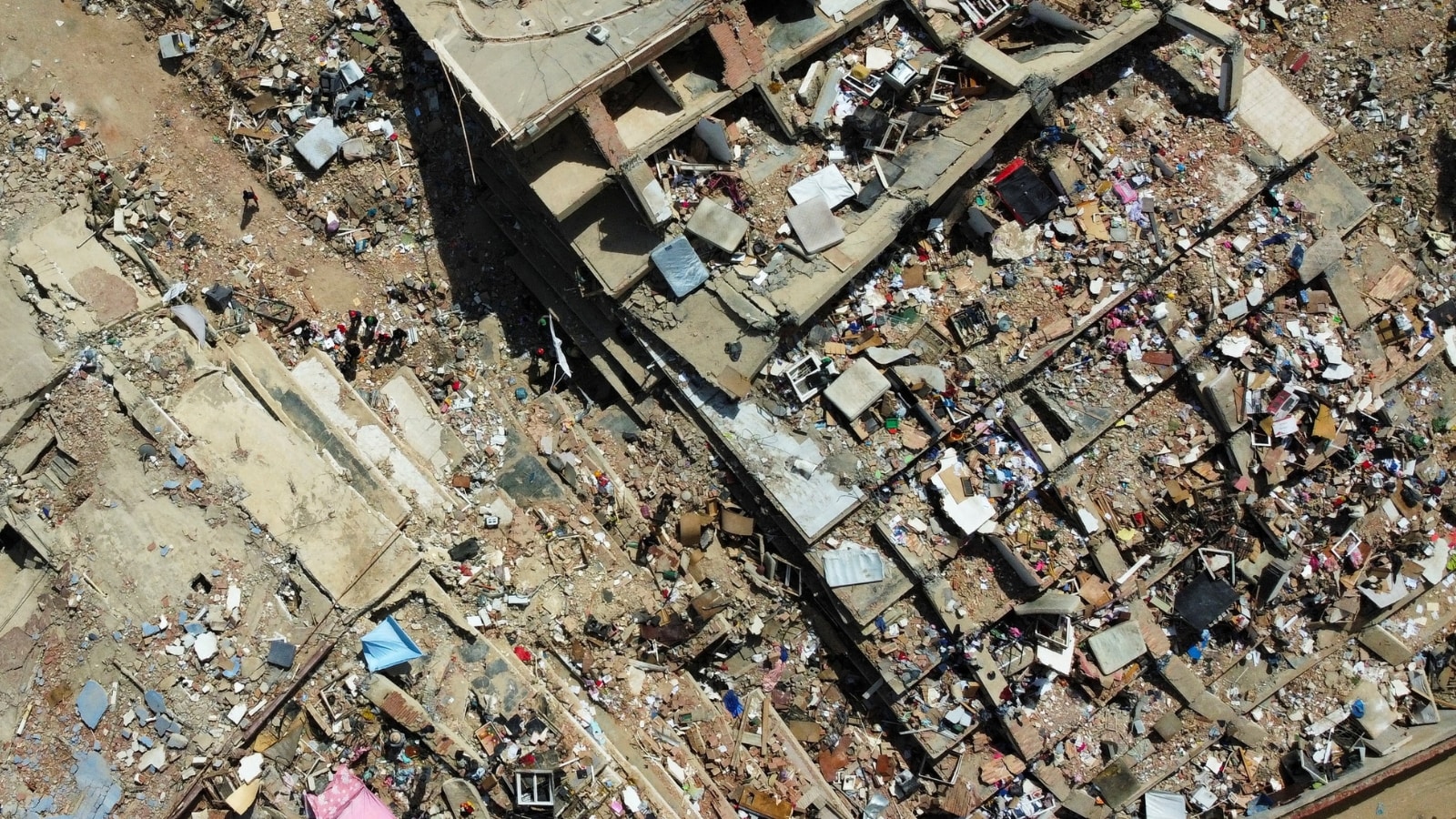
The ground shook on Wednesday evening, and within minutes, decades of systemic decay collided with nature's raw fury. Venezuela is reeling from back-to-back earthquakes measuring 7.2 and 7.5 on the Richter scale. The official death toll is hovering around 1,450, but anyone on the ground in La Guaira knows that number is a conservative fraction of the real tragedy. Tens of thousands of people are missing, buried beneath pancaked concrete slabs that regular citizens are trying to break apart with hammers and bare hands.
This isn't just a natural disaster. It's a logistical nightmare amplified by years of severe economic ruin and intense political fragmentation.
Inside the Critical 72 Hour Window
First responders talk about the golden window for a reason. After 72 hours, the math gets brutal. Survival rates plummet. We crossed that threshold on Saturday night, but the search continues because miracles keep happening against the odds. Just hours ago, international rescue teams pulled a father and his teenage son out of a flattened building in Caraballeda, roughly 40 kilometers north of Caracas. They were trapped for four agonizing days.
French Civil Security crews and American experts from the Fairfax County Urban Search and Rescue Team worked for twelve hours straight to slice through unstable concrete layers just to reach them. The two survivors were severely dehydrated and weak, but they walked out alive.
The day before, those same teams rescued a mother and her nine-month-old baby. Over in the ruins of another block, a Colombian team used advanced thermal scanners to locate an 11-year-old boy named Moises, buried three meters deep. They pulled him out with a broken arm and covered his eyes to save them from the blinding flash of daylight.
These stories offer brief moments of celebration in a landscape dominated by grief. But the clock is a relentless enemy.
The Discrepancy in the Numbers
There is a glaring disconnect between what the state says and what independent networks are tracking. National Assembly President Jorge Rodriguez reported 1,450 confirmed fatalities, 3,150 injuries, and 774 collapsed or severely damaged buildings. That sounds catastrophic enough.
But look at the missing list.
An opposition-monitored tracking database listed nearly 50,000 people unaccounted for as of Sunday. Even if half of those people are simply unable to communicate due to downed cell towers and blackouts, the potential final body count is horrifying. The U.S. Geological Survey put out a grim estimate suggesting total fatalities could easily clear 10,000 before the dust settles. That would rank this event among the deadliest seismic disasters in modern Latin American history.
Help Arrives but the Roads Stay Blocked
Foreign assistance is pouring into the country. More than 2,600 specialized rescue workers from the United States, Mexico, France, Argentina, and Switzerland have arrived. India launched a major relief effort called Operation Amistad to funnel medical supplies and technical aid directly into the impact zones.
But getting aid from the airport to the actual victims is proving incredibly difficult.
La Guaira is a coastal strip separated from the capital by a steep mountain range. There's only one main highway connecting them. Early on, caravans of civilian volunteers ferried water, blankets, and food up the road. Then the government stepped in. Citing the need to keep lanes clear for official emergency vehicles, authorities heavily restricted access to the highway.
The move sparked immediate outrage among locals who feel the official state response is too slow and heavily under-equipped. For days, families had to use their own tools to dig out loved ones because heavy machinery simply wasn't available.
Surviving the Aftershocks
The physical destruction is only part of the nightmare. Hundreds of aftershocks have rattled the coast since Wednesday, causing partially damaged structures to give way without warning.
People are terrified to sleep indoors. Millions of residents across La Guaira and sections of Caracas are spending their nights in public squares, inside cars, or directly on the asphalt. Basic sanitation has evaporated. Water lines are fractured, and electricity is sporadic at best.
Acting officials say they're scrambling to build emergency camps to house the 12,700 people who are officially registered as displaced. But creating a massive network of functional refugee camps in a country already struggling with chronic shortages of medicine, food, and fuel is a nearly impossible task.
What Happens Next
If you want to support the immediate response, organizations like the Red Cross are coordinating direct relief pipelines. The immediate priorities are heavy lifting equipment, clean water purification kits, and mobile medical stations to treat survivors before infection sets in.
The window for finding living souls is closing fast. The focus will soon shift from rescue to long-term recovery, an effort that will test the limits of international diplomacy and local endurance.