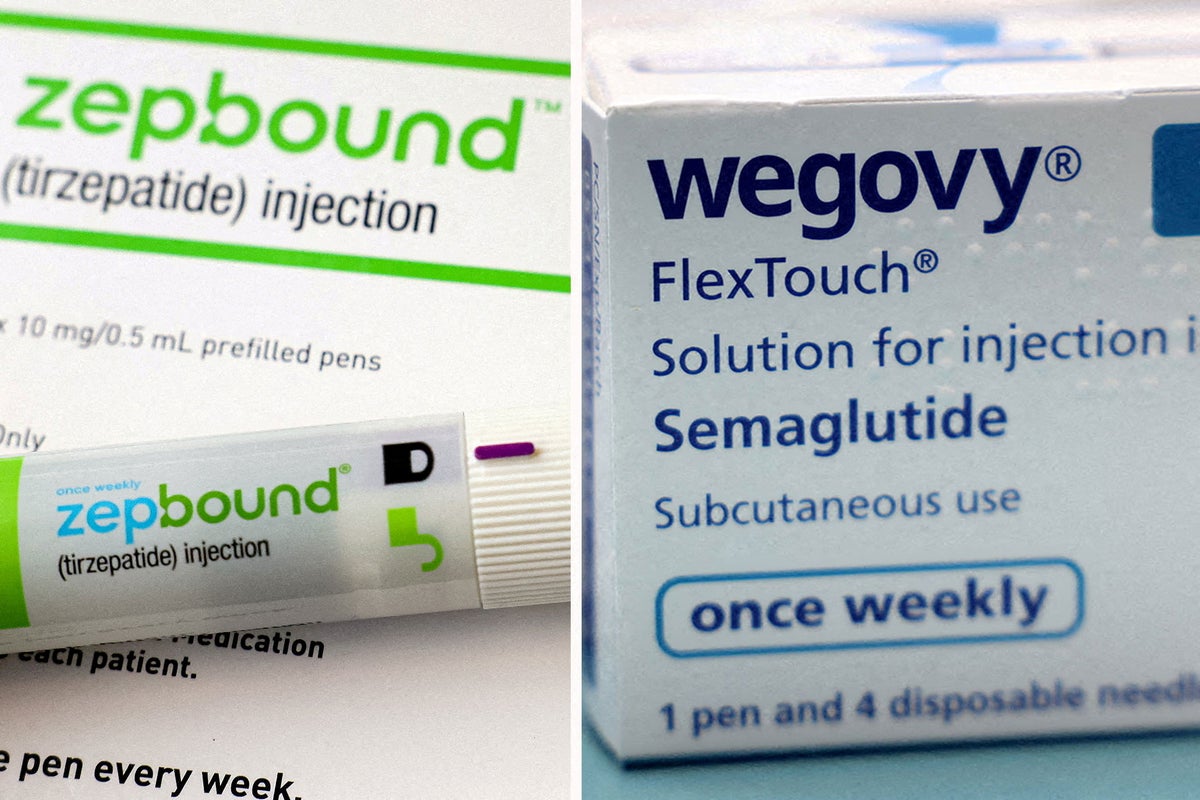
Novo Nordisk just dragged Eli Lilly to federal court in New Jersey. The headline reason sounds dramatic: a high-stakes legal war over which weight-loss drug actually reigns supreme. Novo claims Lilly’s prime-time TV commercials and viral social media campaigns are "deliberately false" and wildly misleading.
If you're taking one of these medications or trying to decide between them, you can breathe easy.
This courtroom brawl isn't about safety flaws, dangerous side effects, or faulty medicine. It's about corporate math and clever marketing disclaimers.
The Numbers Game behind the Lawsuit
Here’s what triggered the spat. Lilly has been running commercials showing a bold graphic: Zepbound users dropping 50 pounds on average compared to Wegovy users shedding just 33 pounds.
To the average viewer scrolling TikTok or watching live sports, that looks like a slam dunk. Zepbound wins, right?
Not so fast.
Those figures come straight from the SURMOUNT-5 clinical trial. It was a legitimate head-to-head study, but it compared maximum doses of Zepbound against the original maximum dose of Wegovy (2.4 mg).
The problem? Regulators approved a stronger 7.2 mg dose of Wegovy in March. In separate clinical trials, patients taking that higher dose lost about 47 pounds.
Novo sent a cease-and-desist letter asking Lilly to pull the ads. Lilly didn't stop. Instead, they slapped a tiny fine-print disclaimer at the bottom of the screen noting that the newer 7.2 mg Wegovy dose wasn't included in the comparison.
Novo's legal team snapped, arguing that a tiny disclaimer buried at the bottom of a flashy ad doesn't fix a misleading takeaway.
What Head to Head Science Actually Tells Us
When you strip away the courtroom theater, the science reveals a far more nuanced story than a 30-second commercial can fit.
+-----------------------------------------------------------------------+
|  Zepbound (Tirzepatide)                                              |
|  • Mechanism: Dual GIP/GLP-1 receptor agonist                        |
|  • Peak Trial Loss: ~20.2% to 21% body weight (~50 lbs)              |
|                                                                       |
|  Wegovy (Semaglutide)                                                |
|  • Mechanism: Single GLP-1 receptor agonist                          |
|  • Peak Trial Loss (7.2 mg): ~18.8% body weight (~47 lbs)            |
+-----------------------------------------------------------------------+
Zepbound acts on two gut hormone receptors (GIP and GLP-1), whereas Wegovy targets only GLP-1. That dual-action design gives Zepbound a slight biological edge in raw weight reduction for most trial participants.
However, when comparing Zepbound's top dose to Wegovy's highest 7.2 mg dose, the gap shrinks to a couple of pounds on average. We're talking about a microscopic difference in the real world.
Why the Pharma Giants Are Fighting so Hard
Money. Pure and simple.
The market for GLP-1 weight-loss and diabetes treatments is projected to clear $100 billion. Lilly has been grabbing market share fast, with Zepbound generating over $4 billion in a single quarter. Novo’s sales growth took a hit, and they're fighting fiercely to defend their turf.
In the United States, direct-to-consumer drug advertising is totally legal—a rarity globally. When billions of dollars ride on consumer perception, a single phrase in an ad campaign can sway thousands of prescriptions.
What Real Patients Need to Know Right Now
If you're navigating your own health journey, this corporate fight changes zero things on your prescription pad.
I've talked to dozens of patients on both drugs, and clinical averages rarely match an individual's personal journey. Here's what actually matters:
- Tolerability trumps maximum weight loss. Higher doses yield more weight loss, but they also bring higher rates of GI side effects like nausea, reflux, and constipation. A drug you can't tolerate is a drug that won't work for you long-term.
- Insurance coverage dictates your choice. Most insurance plans cover either Wegovy or Zepbound, rarely both with equal co-pays. The "better" drug is almost always the one your plan actually pays for.
- Supply availability still fluctuates. Finding local pharmacies with consistent stock of specific dosage strengths often determines which path you take.
- Personal response varies wildly. Some people stall on Zepbound and thrive when switching to Wegovy, while others experience the exact opposite.
Your Best Next Steps
Don't base medical decisions on corporate lawsuits or TV commercials.
If your current treatment is working, stay the course regardless of what corporate ads say. If you hit a plateau, ask your doctor whether adjusting your current dose—like moving up to the 7.2 mg Wegovy option—makes more sense than switching brand names entirely.
Check your formulary coverage directly with your insurer before requesting a drug switch. That saves you from surprise out-of-pocket bills at the pharmacy counter.