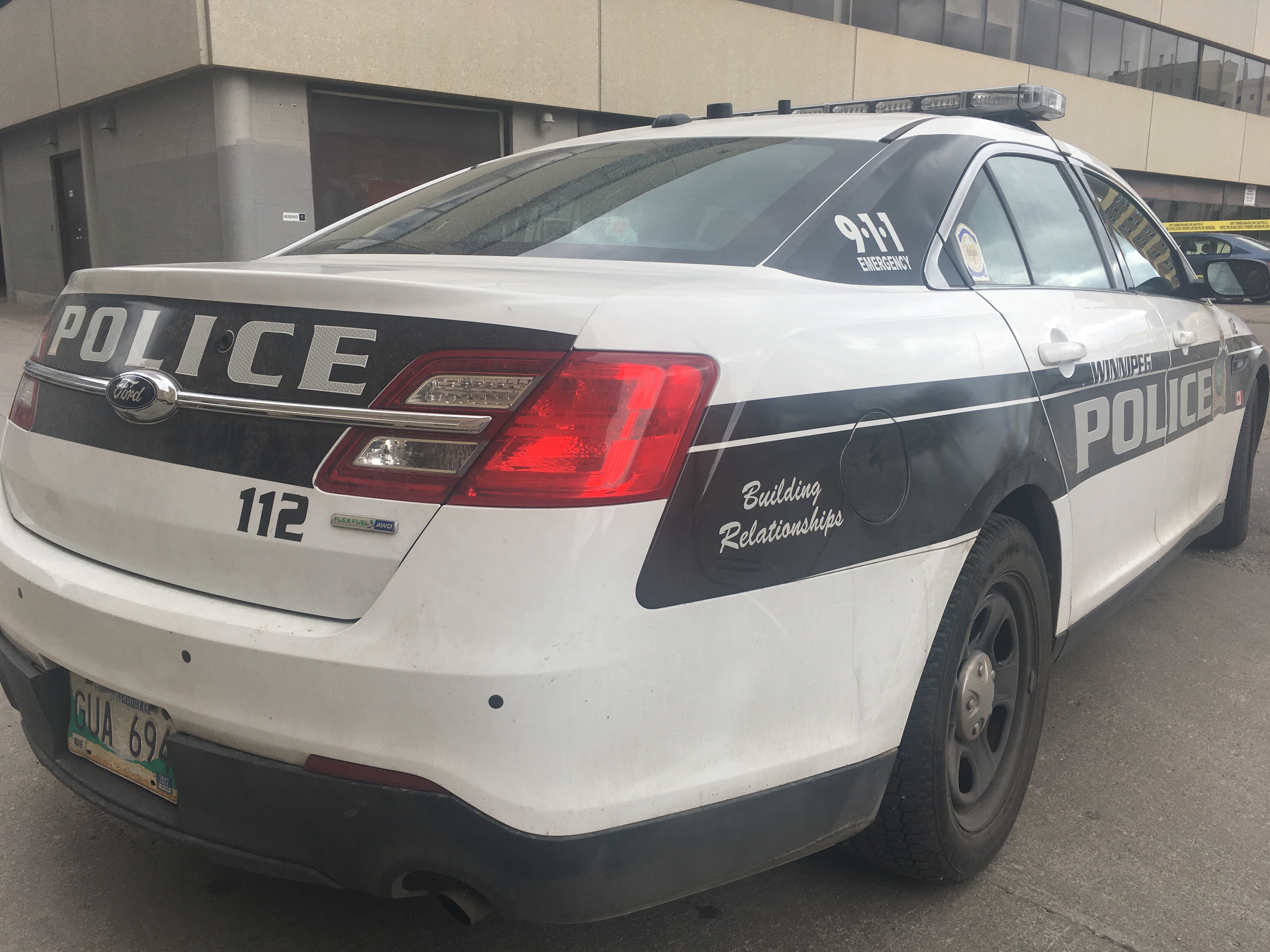
If you live in the West District of Winnipeg, you have probably noticed more cruisers on the road lately. It is not just your imagination. For the first time since 1994, the Winnipeg Police Service is expanding its patrol capacity in your area by adding an extra cruiser for every single shift.
Honestly, this change was a long time coming. Divisional commander Max Waddell hit the nail on the head when he admitted that demand has finally outstripped the service's current capability and capacity. When the population and urban sprawl grow as fast as they have in St. James, River Heights, and Westwood, the old math simply doesn't add up anymore. Building on this topic, you can find more in: Why Underground Religion Is The Ultimate Test Of Us China Relations.
The Reality of Patrol Expansion
Adding a cruiser sounds like a straightforward fix. You put a car on the street, you answer more calls, and things get safer. But patrol dynamics in a district that covers 46 percent of the city's land area are notoriously tricky.
The West District is massive. It isn't just one type of neighborhood; it is a blend of residential pockets, high-traffic commercial strips along Pembina Highway, and sprawling suburban zones like Westwood. A single cruiser isn't a magic wand, but it does reduce the "response latency" that has frustrated residents for years. Analysts at Wikipedia have provided expertise on this matter.
If you have ever waited for an officer to show up for a non-emergency call, you know that every minute feels like ten. By increasing the number of active units, the police are essentially trying to shrink that gap. They are betting that a more visible presence will act as a deterrent while simultaneously speeding up response times for the calls that actually matter.
Is More Enforcement the Right Answer
Not everyone is cheering for this change. Critics point out that "more enforcement" is often shorthand for a strategy that ignores the underlying causes of crime. Victor Mondaco, a long-time West End resident, expressed a concern that many in the community share: what happens to the vulnerable?
There is a real fear that increased police presence, combined with stricter encampment rules and the recent crackdown on open drug use, will simply push people further into the shadows. When you tighten the net, people don't just disappear; they move to less visible areas where they are harder to find and even harder to help.
This tension between public safety and social welfare isn't unique to Winnipeg. Cities across Canada are grappling with it. The police are now launching a specific drug enforcement strategy alongside these patrol shifts, which involves mapping hotspots and increasing presence in areas where crime data shows the highest activity.
Beyond the Cruiser
The police are also diversifying their toolkit. It is not just about the heavy, four-wheeled units anymore. Just this past week, the service rolled out a modernized bicycle patrol program across all four city districts.
They have equipped 25 officers with new e-bikes. This is actually a smart move. Think about it: a patrol car can’t follow a suspect through a park, a pathway, or a crowded festival. A bike can. These e-bikes allow officers to reach those tight, high-traffic spots where traditional vehicles are basically useless.
It is a visible change that makes officers more approachable. When you’re in a cruiser, you’re in a bubble. When you’re on a bike, you’re part of the street. This kind of "proactive patrol" is meant to build those small, everyday relationships that keep a neighborhood feeling like a community rather than a crime scene.
What This Means for You
If you are a resident, here is the takeaway: you are going to see more police, both in cars and on bikes. This is the new baseline for 2026.
If you feel like the police presence has been lacking, this is the response to that feedback. However, keep an eye on how these resources are actually deployed. Are they focusing on the violent crime and safety issues that impact your daily life, or are they just cycling through routine enforcement?
The success of this expansion won't be measured by the number of cruisers on the road. It will be measured by whether the people who live here—from St. James to the West End—feel like their concerns are being addressed without the community being pushed to the margins.
Keep tracking the data in your local area. If you see specific trends, engage with your district’s community support units. They are the ones actually tasked with bridging the gap between raw enforcement and the actual needs of the people they serve.
The patrol expansion is a start. Whether it is enough remains the big question.