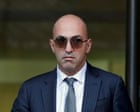
Justice takes a long time in Malta. Sometimes, it takes nearly a decade. Today in Valletta, the capital's historic courts finally opened the trial that the entire country, and the global press freedom community, has been waiting for since 2017. Yorgen Fenech, the multi-millionaire heir to a massive casino and property empire, sat in a navy suit and glasses to face a jury of his peers. He looked ordinary. But the accusations read out against him are anything but ordinary.
The prosecution alleges Fenech is the mastermind who paid hitmen exactly €150,000 to blow up investigative journalist Daphne Caruana Galizia.
It has been almost nine years since that dark October afternoon when a car bomb shattered the peace of the Maltese countryside. For years, legal tactics, systemic delays, and political shockwaves kept this trial from happening. Fenech was even released on bail in February 2025 because the legal limit for holding him without a trial expired. People thought he might walk free without ever facing a jury. They were wrong. The trial has begun, and the details coming out of Hall 22 are chilling.
This case isn't just about a local murder. It reveals how corporate greed and political protection can combine to silence anyone who asks too many questions.
The Deadly Blueprint of a €150,000 Assassination Plot
The bill of indictment read aloud by Judge Edwina Grima paints a calculated picture of the conspiracy. According to state prosecutors, the plan started in April 2017. Fenech didn't look for professional assassins in the dark web or import international killers. He looked closer to home. He called his friend Melvin Theuma, a local taxi driver and bookmaker who ran a lucrative taxi stand right outside the Hilton Malta, a hotel owned by Fenech’s family empire.
Fenech allegedly told Theuma to find someone to kill Daphne Caruana Galizia. He even suggested a name: George Degiorgio, a known gangland figure operating out of a gritty warehouse in the Marsa docks.
The motivation was simple. Fenech allegedly knew that Caruana Galizia was about to publish a massive, damaging story about his uncle. Later, as the months dragged on, his panic shifted to his own business dealings. The price tag for a human life was set at €150,000, with an upfront down payment of €30,000.
Politics temporarily got in the way. When a snap general election was called for June 2017, Fenech put the hit on hold. He wanted to wait and see how the political winds blew. Once the ruling Labour administration secured its victory, the green light was given. The prosecutors claim Fenech told Theuma to get on with it.
The hitmen originally considered using a long-range rifle to shoot the journalist. They changed their minds. A bomb was louder. It sent a message.
The Afternoon That Changed Malta Forever
On October 16, 2017, Daphne Caruana Galizia left her home in the quiet village of Bidnija. She was 53 years old. She ran a wildly popular blog called Running Commentary, which regularly attracted more readers than the island's mainstream newspapers combined. She wrote about corruption, offshore bank accounts, and secret energy deals.
The night before, the hitmen broke into her rental car. They placed a highly sophisticated plastic explosive device inside a children's shoebox right under the driver's seat.
As she drove down the hill away from her house, George Degiorgio was sitting on his cabin cruiser boat out in Valletta’s grand harbor. He didn't even have to look at her. He simply sent a coded text message from a mobile phone connected to the bomb's receiver.
The explosion was catastrophic. The car was thrown completely off the road and into a burning field. Her son, Matthew Caruana Galizia, was at home and heard the blast. He ran outside and was the first person to reach the horrific scene. The image of the burning wreckage became a symbol of a collapsed state.
Why the Prosecution Case Rests on an Ice Cream Box
To secure a conviction against a man with Fenech's immense wealth, the prosecution needs ironclad evidence. They aren't relying on guesswork. Their star witness is Melvin Theuma, the middleman who managed the logistics between the millionaire and the criminals in the docks.
Theuma knew he was dealing with dangerous people. He feared he would be killed to clean up the loose ends. So, he started secretly recording his conversations with Fenech.
When police arrested Theuma in November 2019 during an unrelated money laundering raid, they found him desperately clutching a plastic ice cream box. Inside that box weren't frozen treats. It contained USB drives packed with audio recordings of Yorgen Fenech discussing the murder plot, tracking police investigations, and managing the fallout.
Theuma bargained those recordings for a presidential pardon. He told the police everything. His testimony blew the roof off Malta’s political structure.
The fallout hit the absolute highest levels of power. The trial reminds us that the state itself was accused of complicity through negligence. A subsequent 437-page public inquiry by three independent judges concluded that the government had created an "atmosphere of impunity" that allowed corruption to thrive and directly facilitated the assassination. Prime Minister Joseph Muscat was forced to resign in December 2019 after furious public protests filled the streets of Valletta.
The Pieces of the Puzzle Already Behind Bars
Fenech is the final piece of this tragic puzzle to stand trial. The state has already systematically dismantled the rest of the network, showing that the legal system can work when under international scrutiny.
The three direct hitmen are already locked away. George Degiorgio, his brother Alfred Degiorgio, and their accomplice Vincent Muscat initially denied everything. In October 2022, on the very first day of their trial, the Degiorgio brothers abruptly changed their plea to guilty. They took a plea bargain, escaping a life sentence in exchange for 40 years behind bars. Vincent Muscat had already cut a deal earlier for a 15-year sentence.
Then came the men who bought and supplied the military-grade explosives. In June 2025, a court sentenced Robert Agius and Jamie Vella to life imprisonment for providing the bomb that killed Daphne.
Now, the focus narrows down to the money and the motive. The defense has consistently tried to derail the case. Fenech pleaded not guilty today. His legal team previously tried to throw out the statements he made to police directly after his yacht arrest in 2019, claiming he was heavily under the influence of cocaine at the time and couldn't think straight. The court threw out that argument last September.
Inside the Courtroom on Day One
The first day of a massive trial is usually a masterclass in legal administration. This was no different. Judge Edwina Grima spent five grueling hours behind closed doors empanelling a nine-member jury along with six reserve jurors.
When the doors opened, the atmosphere in Hall 22 was tense. Daphne’s husband, her three sons, and her sisters sat in the room, staring directly at the man accused of destroying their family.
Judge Grima laid down strict rules for the jury. She made it clear that they are living in a bubble for the next few weeks. They must ignore nine years of media coverage, social media chatter, and personal opinions. They are the judges of the facts, and they can only look at what is presented inside that room.
The prosecution team, led by Attorney General lawyers Godwin Cini, Anthony Vella, and Danika Vella, is pushing for the maximum penalty. If found guilty of complicity in voluntary homicide, Fenech faces a life sentence. The second charge of criminal association carries another 20 to 30 years.
The Real Cost of Silence
You have to understand the environment Daphne was investigating to see why someone wanted her dead. She wasn't just writing gossip columns. She was pulling the strings on a massive state-backed energy contract called the Electrogas deal. Fenech was a director of that consortium.
She discovered a secret Panama shell company called 17 Black. She knew it was designed to funnel millions of dollars to top government officials. What she didn't know before her death, but what international journalists discovered later, was that Yorgen Fenech was the owner of 17 Black.
That is why this trial matters so much to the international community. It proves that investigative journalism is a high-risk profession even inside the European Union.
When rich individuals can buy hitmen as easily as they buy luxury yachts, democracy is in serious trouble. The next few weeks of testimony will expose the absolute worst of human greed, corporate power, and political betrayal. Malta's legal system is on trial just as much as Yorgen Fenech. The world is watching to see if a small island nation can deliver true justice against an untouchable tycoon.
To follow this case properly, monitor the daily transcripts coming directly out of the Valletta Courts of Justice. Pay close attention to how the defense attempts to cross-examine Melvin Theuma when he takes the stand tomorrow morning, as undermining his audio recordings is their only realistic path to an acquittal.