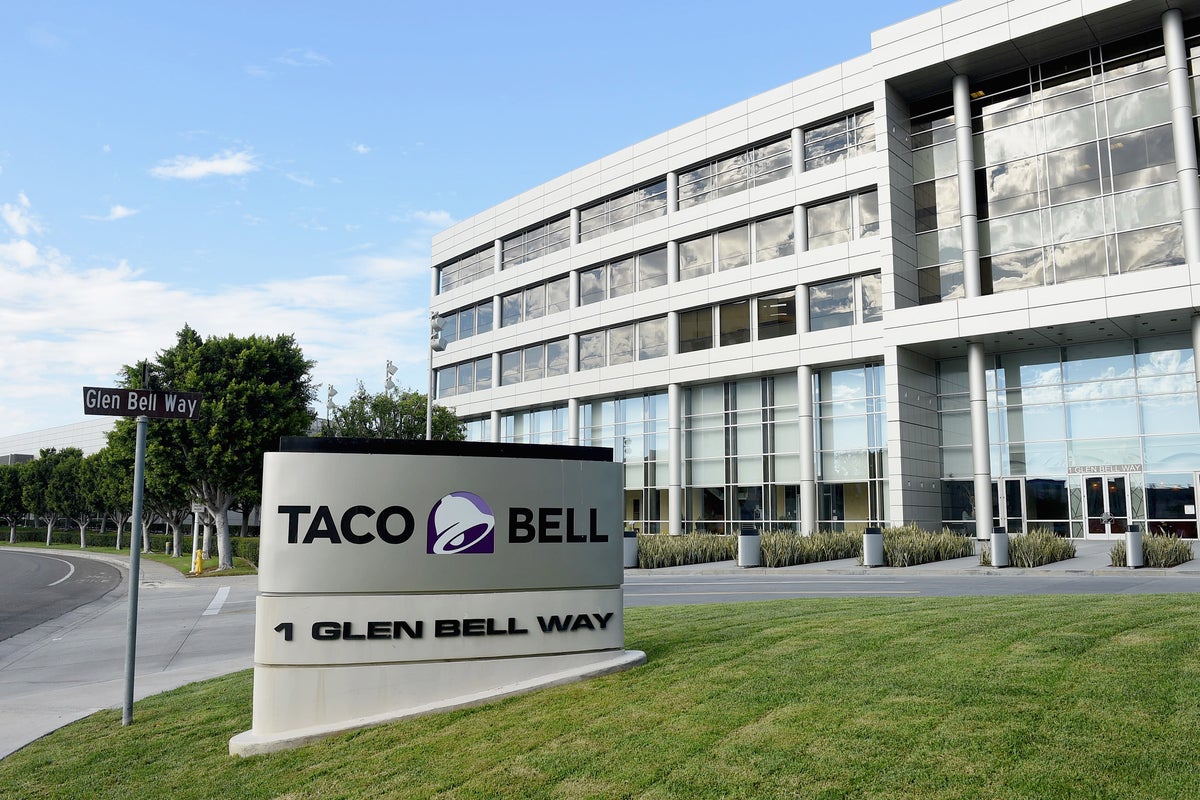
When thousands of people start suffering from explosive, week-long diarrhea, the public immediately looks for a head to roll. In July 2026, when the Centers for Disease Control and Prevention tied a massive multistate outbreak of Cyclospora parasites directly to shredded iceberg lettuce, Taco Bell found itself smack in the middle of a public relations nightmare.
Headlines screamed. Memes flooded social media. Consumers panicked.
If you read the mainstream coverage, you'd think Taco Bell's kitchens were a biohazard zone. You'd assume line workers weren't washing their hands or that regional managers were cutting corners on sanitation. But if you actually look at how food safety and supply chains work, that narrative falls apart fast.
The reality behind the 2026 Cyclospora outbreak is a lot more unsettling than a fast-food chain slipping up on hygiene. It highlights a massive vulnerability in how fresh produce moves from Latin American fields to American fast-food trays.
The Parasite That Scrubbing and Sanitizers Can't Touch
To understand why this outbreak exploded across five states—Michigan, Ohio, Indiana, Kentucky, and West Virginia—you have to understand the microscopic pest involved.
Cyclospora cayetanensis isn't a bacterium like Salmonella or E. coli. It’s a microscopic, single-celled parasite that infects the small intestine, causing watery diarrhea, severe cramping, bloating, and rapid weight loss that can drag on for weeks.
Here’s the thing about Cyclospora that most people miss: you cannot wash it off, and traditional chemical sanitizers won't kill it.
Pathogen Comparison:
---------------------------------------------------------------------------------
Pathogen       Type         Can It Grow on Produce?    Killed by Chlorine Rinse?
---------------------------------------------------------------------------------
E. coli        Bacteria     Yes                        Yes
Salmonella     Bacteria     Yes                        Yes
Cyclospora     Parasite     No (needs a host)          No (extremely resistant)
---------------------------------------------------------------------------------
Unlike bacteria, which multiply directly on warm food, Cyclospora oocysts (the parasite's egg-like stage) enter the environment through human feces. When contaminated agricultural water is used to irrigate or spray crops, those microscopic oocysts lodge themselves deep into the microscopic ridges and crevices of leafy greens.
Once they’re stuck in the cracks of a piece of shredded iceberg lettuce, no amount of cold-water washing at a processing plant or restaurant will dislodge them. Bleach rinses, hand sanitizers, and triple-washing protocols leave the parasite completely unharmed. The only thing that kills Cyclospora is cooking food to 160°F—and nobody wants a bowl of warm, boiled iceberg lettuce.
Behind the Scenes at Corporate HQ
When Michigan health authorities began reporting a sharp spike in stomach illnesses, Taco Bell’s corporate team wasn't sitting on its hands. Long before federal agencies publicly pointed the finger, internal supply chain tracking flagged a pattern.
The outbreak wasn't happening because line cooks were careless. It was localized to specific distribution centers receiving shredded iceberg lettuce sourced from farms in Mexico.
Outbreak Origin & Distribution Flow:
[ Farms in Central Mexico ] ---> [ Primary Processor (Taylor Farms) ] ---> [ Distribution Hubs ] ---> [ Taco Bell Outlets ]
Taco Bell pulled the trigger on a massive voluntary removal. They quietly yanked shredded lettuce, guacamole, pico de gallo, and cilantro-onion blends from hundreds of stores across the affected region days before the CDC officially issued its public alert.
"Based on ongoing conversations with public health officials, and out of an abundance of caution, Taco Bell worked swiftly to voluntarily remove the product from restaurants..."
— Taco Bell Corporate Statement🔗 Read more: watts funeral home madill ok obituaries
By the time the FDA confirmed that a single supplier—Taylor Farms de Mexico—was the primary source of the contaminated produce, Taco Bell had already cleared the affected inventory from its supply chain nationwide.
From a pure crisis-management perspective, the brand acted fast. Yet, the public backlash was brutal. Why? Because consumers rarely distinguish between a restaurant making people sick inside its doors versus a supplier shipping tainted raw ingredients directly to the back door.
Why Modern Fresh Produce Supply Chains Fail
The 2026 outbreak exposed a massive blind spot in modern fast-food logistics.
Mega-suppliers process tens of thousands of pounds of fresh produce daily, washing, chopping, and vacuum-sealing it into giant plastic bags for distribution. If a single farm in central Mexico uses contaminated irrigation water, that tainted batch gets chopped, mixed, and distributed across thousands of restaurants owned by entirely different brands.
It’s why grocery store salad kits, fast-casual salad chains, and drive-thrus often get hit by the exact same outbreak at the exact same time. The contamination happens miles upstream at the agricultural level.
When a restaurant receives pre-shredded, bagged lettuce, there is literally zero physical way for a store manager or line cook to detect Cyclospora. It doesn't smell bad, it doesn't change color, and standard commercial food testing kits can't spot it easily because the parasite can't be grown in a standard lab culture.
What You Should Actually Do During a Fresh Produce Crisis
When a major Cyclospora or foodborne parasite outbreak hits the news, panicking or blaming the local drive-thru worker doesn't help you stay healthy. You need a practical plan to protect yourself and your family.
- Ditch pre-bagged and pre-shredded greens during active regional alerts. When health departments report an active Cyclospora spike in your region, avoid bagged salad mixes, pre-shredded lettuce, and pre-cut raw herbs. The processing equipment used to shred these vegetables acts as a giant distribution engine for parasites.
- Buy whole heads of lettuce instead. Whole heads of lettuce have far less surface area exposed to potential water contamination during processing. Peel off and discard the outer leaves entirely before thoroughly washing the inner leaves under cold running water. While water won't kill Cyclospora, the physical friction of rubbing the leaves helps dislodge surface dirt and reduces overall pathogen load.
- Cook your veggies when in doubt. Parasites like Cyclospora cannot survive heat above 160°F. If an outbreak is active in your area, stick to cooked vegetables, sautéed greens, and hot dishes rather than raw salads and garnishes.
- Know the symptoms and act fast. If you experience watery diarrhea, severe fatigue, stomach cramps, and bloating that lasts more than three or four days, see a doctor and ask specifically for a stool PCR test that screens for parasites. Standard bacterial culture tests miss Cyclospora entirely. The good news? Unlike viral stomach bugs, Cyclospora can be treated quickly with a standard prescription of trimethoprim-sulfamethoxazole (Bactrim).
The Bottom Line
Taco Bell wasn't cut down by bad kitchen hygiene; it was caught in the net of a fragile, hyper-centralized fresh produce supply chain that relies on vulnerable agricultural water systems thousands of miles away. Until corporate food giants and regulatory agencies enforce rigorous water-testing standards at the farm level, outbreaks like this will keep happening—no matter how fast a company pulls ingredients off its shelves.