Civil society intellectuals love a good letter. They love the high-minded rhetoric of harmony and the warm glow of signing their names alongside foreign counterparts to demand a better world. But when it comes to the complex geopolitical gridlock between New Delhi and Islamabad, this kind of misty-eyed romanticism is worse than useless. It is dangerous.
The latest uproar began when a group of 117 prominent figures from both sides of the border fired off an open letter to Indian Prime Minister Narendra Modi and Pakistani Prime Minister Shehbaz Sharif. Orchestrated by the Centre for Peace and Progress, the signatories include heavyweight political names like Farooq Abdullah, Mehbooba Mufti, and Mani Shankar Aiyar, alongside Pakistani elites like former Foreign Minister Khurshid Mahmud Kasuri. They want a total reset. They want high commissioners reinstated, full visa services resumed, commercial airspace reopened, and a fresh push for an India Pakistan peace dialogue.
It sounds wonderful on paper. Who does not want peace? But in the real world, this appeal fundamentally ignores the bloody trail of history and the cold realities of national security.
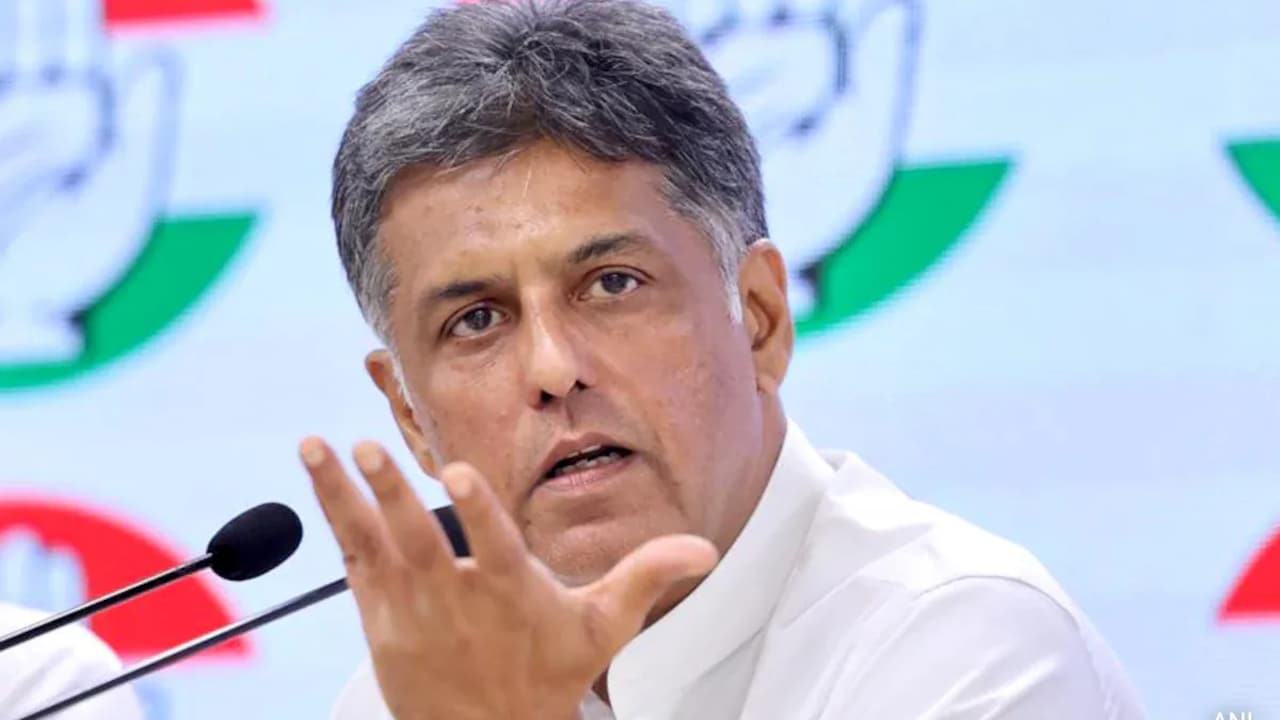
Congress MP Manish Tewari put it bluntly during a recent media blitz. He called the push for pseudo-normalisation completely inexplicable. You cannot talk peace when the other side refuses to stop pulling the trigger. The argument is simple, direct, and entirely correct. Expecting India to rush back to the negotiating table without verifiable guarantees is not diplomacy. It looks a lot like unconditional surrender.
The Fatal Flaw of Misty Eyed Romanticism
The foundational error of these peace activists is their refusal to acknowledge why relations broke down in the first place. This is not a simple misunderstanding between two neighbors that can be patched up over a cup of tea at the Attari-Wagah border.
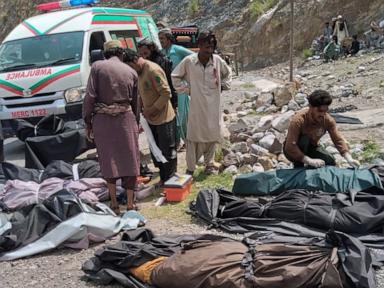
Just look at the calendar. It has been a little over fourteen months since state-sponsored terrorists from across the border struck the Baisaran meadow in Pahalgam. Twenty-six innocent civilians, mostly tourists, were butchered in cold blood. They were singled out based on their faith and executed in front of their terrified families. That horrific April 2025 massacre shattered whatever fragile thread remained in bilateral relations, triggering India's firm military and diplomatic outreach known as Operation Sindoor.
How do you look the families of those victims in the eye and tell them that India should just move on?
Baisaran (Pahalgam) Massacre (April 2025): 26 Civilians Killed
The intellectual elite behind the peace letter claim that continued hostility deprives millions of young people of economic opportunities. They talk about shared potential and the high human cost of the freeze. But they are putting the cart before the horse. Economic prosperity requires stability, and stability is impossible when your neighbor operates a revolving door for cross-border militants.
Why an India Pakistan Peace Dialogue Always Fails
History does not repeat itself, but it certainly rhymes. If you look at the last five decades of subcontinental relations, a clear, frustrating pattern emerges. Every single time New Delhi has made a genuine, high-stakes gesture to reach out to Islamabad, Pakistan has responded with a major terror strike or a military infiltration.
- The 1999 Vajpayee Bus Diplomacy: Former Prime Minister Atal Bihari Vajpayee took a historic bus journey to Lahore to sign a peace declaration. Months later, Pakistani troops infiltrated Kargil, forcing a bloody high-altitude war.
- The 2001 Agra Summit: Another attempt at top-level engagement was swiftly followed by the audacious attack on the Indian Parliament in December 2001.
- The 2015 Surprise Lahore Visit: PM Narendra Modi made an unscheduled stop in Lahore to greet then-PM Nawaz Sharif. The response? The deadly Pathankot airbase attack just days later in January 2016, followed by the Uri attack.
This is not a coincidence. It is an established policy.
The civilian government in Pakistan, whether led by Shehbaz Sharif or anyone else, is fundamentally weak. The real power rests firmly within the Rawalpindi military headquarters. The Pakistani military establishment derives its domestic legitimacy, its massive budgets, and its control over the country by maintaining an existential threat narrative against India. A successful India Pakistan peace dialogue would strip the Pakistani generals of their political relevance. Therefore, whenever peace looks even remotely possible, the deep state activates its militant assets to sabotage the process.
Dismantling the Military Jehadi Complex First
If India wants real, lasting stability, it cannot settle for a superficial diplomatic show. Manish Tewari raised a critical question that the 117 signatories failed to answer. Where are the verifiable guarantees that Pakistan will dismantle its deeply entrenched military-jehadi complex?
For over fifty years, since the humiliating defeat of 1971 and the creation of Bangladesh, Pakistan has pursued a strategy to bleed India with a thousand cuts. They started by destabilizing Punjab in the late 1970s and 1980s, shifted their focus heavily to Jammu and Kashmir in the 1990s, and eventually targeted major cities across the Indian heartland.
This infrastructure of terror is not an accidental byproduct of a weak state. It is an instrument of state policy. Militant networks, training camps, and fundraising operations function openly. Expecting a written appeal from civil society to change a five-decade-old geopolitical strategy is pure fantasy.
Pakistan's Strategic Shifts:
1970s-1980s: Punjab Insurgency Support
1990s-Present: Jammu & Kashmir Infiltration
2000s-Present: Pan-India Urban Terror Operations
How Sovereign Nations Actually Deal with Terror
The global standard for dealing with state-sponsored violence is not endless patience or unconditional dialogue. Strong nations stay the course and show unyielding resolve.
When Japan struck Pearl Harbor in 1941, the United States did not call for a seat at the table to discuss trade opportunities. They fought relentlessly until they secured an unconditional surrender in 1945. After the horrors of 9/11, the US chased Al-Qaeda and the Taliban across global networks for twenty years, eventually neutralizing Osama bin Laden deep inside Pakistan.
Closer to the Middle East, the House of Saud spent a decade waging a quiet, brutal internal war against Al-Qaeda remnants before driving them out completely. Russia used overwhelming, uncompromising military force to crush Chechen separatists over a ten-year campaign.
The lesson is stark. The scourge of terrorism requires absolute firmness. Normalizing ties with an unrepentant neighbor while their infrastructure of violence remains intact signals weakness. It tells the perpetrators that if they wait long enough, India will eventually lose its resolve, forget the victims of Pahalgam, and return to business as usual.
The Invisible Hands Pushing for Normalisation
You have to wonder who stands to benefit from this sudden, coordinated push for peace. Tewari openly questioned what invisible hand is incentivizing this frantic drive for normalisation.
Is it international pressure from Western powers who are anxious about two nuclear-armed neighbors remaining locked in a cold war? Is it domestic political groups looking to revive a stale appeasement playbook?
Let's be clear about what India actually expects from Pakistan. The demands are simple, transparent, and entirely reasonable.
- Stop the export of terror.
- Shut down the training camps.
- Hand over wanted criminals and terrorists.
- Provide verifiable proof that the state is no longer funding anti-India operations.
India does not demand territory or economic concessions. It demands the basic right to keep its citizens safe from cross-border slaughter. Talk and terror cannot coexist. It is a solid, non-negotiable policy position that protects national dignity.
Moving Beyond Misty Eyed Rhetoric
Civil society groups and political leaders who sign these joint appeals mean well, but their approach is dangerously detached from the ground reality. Romanticizing relations with a state that remains dedicated to causing mayhem in your cities is basically an exercise in self-deception.
The next steps for Indian foreign policy cannot involve chasing the illusion of a grand peace treaty. Instead, India must stick to a realistic, multi-layered strategy.
- Maintain the Diplomatic Freeze: Keep official interactions suspended until Pakistan demonstrates credible, irreversible actions against anti-India militant outfits.
- Enforce Economic Isolation: Ensure that cross-border trade via land borders remains tightly regulated or closed to prevent the illicit flow of funds and contraband.
- Strengthen Border Defense: Continue upgrading technological surveillance and counter-infiltration measures along the Line of Control to preemptively stop incursions.
- Expose the Deep State Internationally: Consistently use global forums like the Financial Action Task Force (FATF) and the UN Security Council to hold Pakistan accountable for its financial and logistical support of extremist groups.
The path forward requires a clear head, a strong spine, and an absolute refusal to let the memories of fallen citizens fade for the sake of a superficial photo-op. Peace is a noble goal, but a hollow dialogue held under the shadow of a gun is a trap India must continue to avoid.
This video breaks down Manish Tewari's sharp critique of the peace appeal, highlighting why India refuses to hold talks under the threat of cross-border terrorism: Manish Tewari on India-Pakistan Dialogue