Doug Ford wanted a quick public relations win before the world descended on Toronto for the 2026 FIFA World Cup. So, his government rushed through a law banning anyone from reselling concert or sports tickets for more than face value. It sounded great on paper, but it was basically dead on arrival.
Just months after passing the legislation, the province is already scrambing to rewrite the rules.
Why? Because the law is completely unenforceable, and secondary ticketing platforms are simply ignoring it. If you've tried to buy tickets for any major Toronto event recently, you already know this. The government talked a big game about "$25,000 fines" and "naming and shaming" bad actors, but the truth is that not a single major reseller has actually been penalized.
The Ford administration is learning a hard lesson in basic economics: you can't outlaw demand.
The Rush to Look Tough Before the World Cup
The timeline of this regulatory trainwreck tells you everything you need to know about why it failed.
The cap on resale tickets was jammed into the 2026 provincial budget, receiving Royal Assent on April 24. Premier Doug Ford was desperate to have a cap active before Toronto hosted its six highly anticipated FIFA World Cup matches in June. Under pressure to look like he was protecting everyday sports fans from getting gouged, Ford pushed the law through without a clear enforcement plan.
The Ministry of Public and Business Service Delivery tried an "education-first" approach. They sent polite warning letters to major secondary marketplaces like StubHub, SeatGeek, and Vivid Seats, telling them to play nice.
The platforms essentially threw those letters in the trash.
Tickets for the World Cup games continued to list for hundreds, sometimes thousands, of dollars over face value on these very sites. In response, the government put StubHub and SeatGeek on its public "Consumer Beware" list in June. They even jacked up the maximum administrative fines from $10,000 to $25,000 right before the tournament kicked off.
But "naming and shaming" doesn't work when the companies you're trying to shame hold all the cards. The World Cup matches came and went, platforms openly violated the law, and the province failed to issue a single actual fine.
Why a Resale Price Cap is Clean in Theory but Messy in Reality
To understand why Ontario is already rewriting this law, you have to understand the fundamental flaw in how the legislation was built.
The law bans reselling a ticket for more than its "face value". But how does a platform like StubHub or SeatGeek actually verify what the original face value was?
- The Data Blindspot: Tickets are bought on primary platforms like Ticketmaster. When a seller lists that ticket on a secondary site, the secondary site has no automated way to verify the original receipt.
- Easy Fraud: PDF receipts can be easily manipulated with basic photo editing software to make a $100 ticket look like it originally cost $500.
- Dynamic Pricing Chaos: Primary ticket sellers use "platinum" and dynamic pricing. The face value of a seat in Section 108 might be $150 on Monday and $600 on Tuesday. This makes a static price cap nearly impossible to track or regulate.
Because of this, platforms have argued that they literally do not have the technological architecture to comply with Ontario's law.
What makes this situation particularly ironic is that the Ford government already knew this would happen. Back in 2019, this same government scrapped a previous Liberal plan that would have capped resale prices at 50% above face value. At the time, the Conservatives explicitly called price caps "unenforceable" and warned they would only drive buyers to dangerous, unregulated black markets.
They were right in 2019. Yet, they ignored their own logic in 2026 for a quick political win.
The Unintended Consequences for Ontario Fans
When you suppress legitimate secondary marketplaces, you don't make the demand go away. You just shift it elsewhere.
If major platforms are forced to geoblock Ontario users or pull listings to comply with a broken law, fans won't stop trying to go to concerts. Instead, they will buy tickets through Facebook Marketplace, Reddit, and Craigslist.
On StubHub or SeatGeek, you might pay an outrageous markup, but those platforms at least guarantee your ticket is real or offer a refund if you get scammed. On a random social media thread, you have zero buyer protection. If you send an e-transfer to a stranger and receive a fake PDF, your money is gone forever.
By passing an unenforceable price cap, the government is actively pushing consumers toward riskier peer-to-peer transactions where fraud is rampant.
What the Province is Planning Next
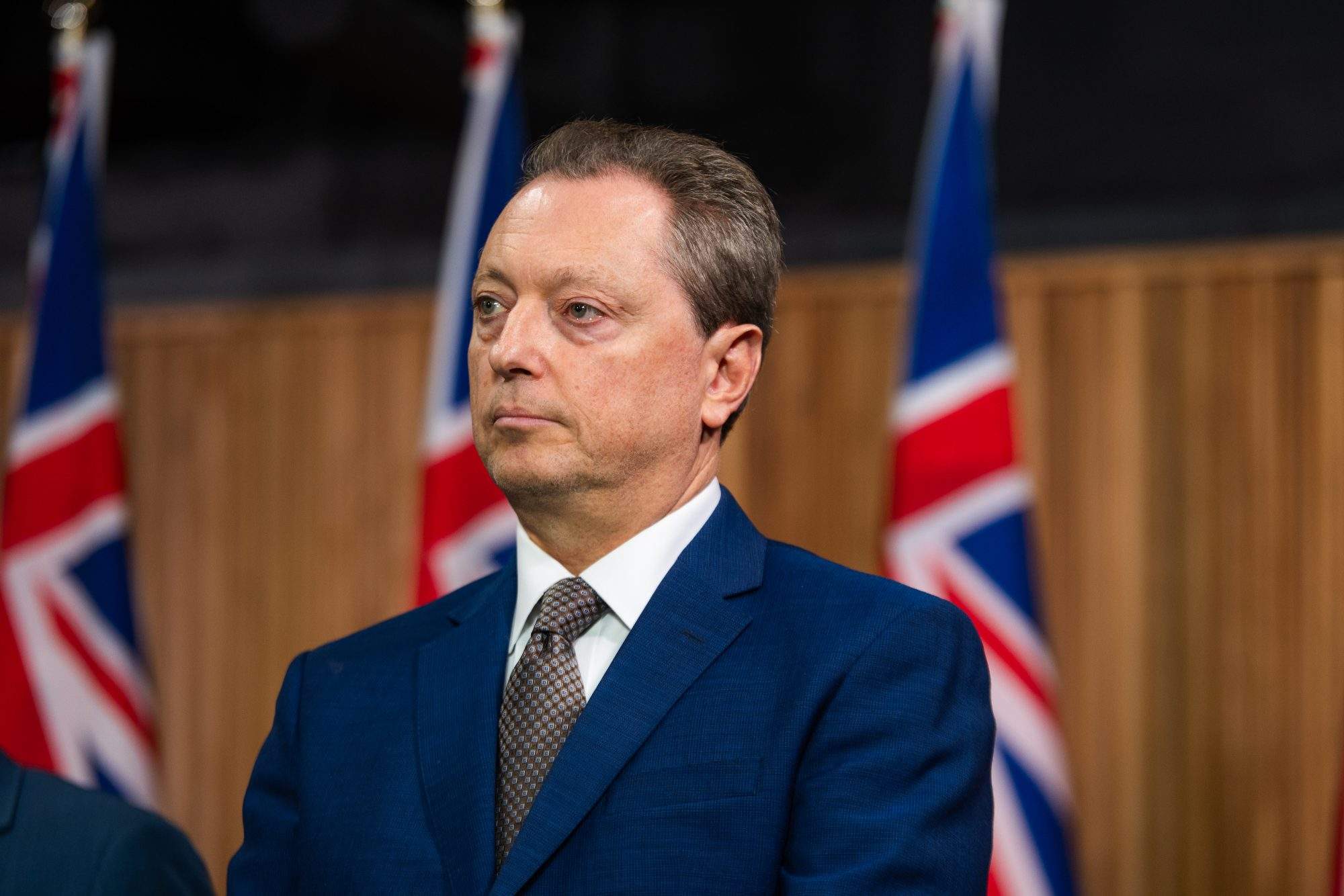
With the World Cup over and the policy exposed as a paper tiger, Premier Doug Ford's office has quietly instructed Stephen Crawford, the Minister of Public and Business Service Delivery and Procurement, to draft an emergency regulatory overhaul.
We don't know the exact details of the rewrite yet. However, industry insiders suggest the government has a few limited options:
- Mandate Data Sharing: Force primary sellers (like Ticketmaster) to share original price data with secondary platforms. Good luck getting massive multinational corporations to build and open up those APIs overnight.
- Soften the Cap: Move away from a strict 100% face-value cap and allow a reasonable percentage markup to account for platform fees and inflation.
- Shift the Burden: Move enforcement away from the secondary platforms and target individual high-volume scalpers instead—though this is even harder to police.
Whichever route they take, the province has a steep hill to climb to regain credibility on this issue.
Your Action Plan for Buying Tickets Safely in Ontario Right Now
Don't rely on the provincial government to keep ticket prices fair or protect you from getting ripped off. If you're looking to buy tickets for upcoming events in Ontario, protect yourself with these steps:
- Stick to platforms with guarantees: Even if prices are above face value, use established platforms that offer 100% buyer guarantees. Do not buy tickets via social media direct messages or unverified classified sites.
- Check the face value yourself: Before buying a resale ticket, look at the primary seller's site to see what original tickets in that section were retailing for. This gives you a baseline to judge if a markup is tolerable.
- Report clear violations: If you encounter a business clearly violating provincial rules, you can file a formal complaint with Consumer Protection Ontario. While they might not get you a cheaper ticket immediately, keeping the pressure on regulators is the only way to force a real solution.
The Ford government tried to fix a complex economic problem with a simple headline. Until they deliver a framework that actually addresses how tickets are bought and sold, Ontario consumers will keep paying the price.