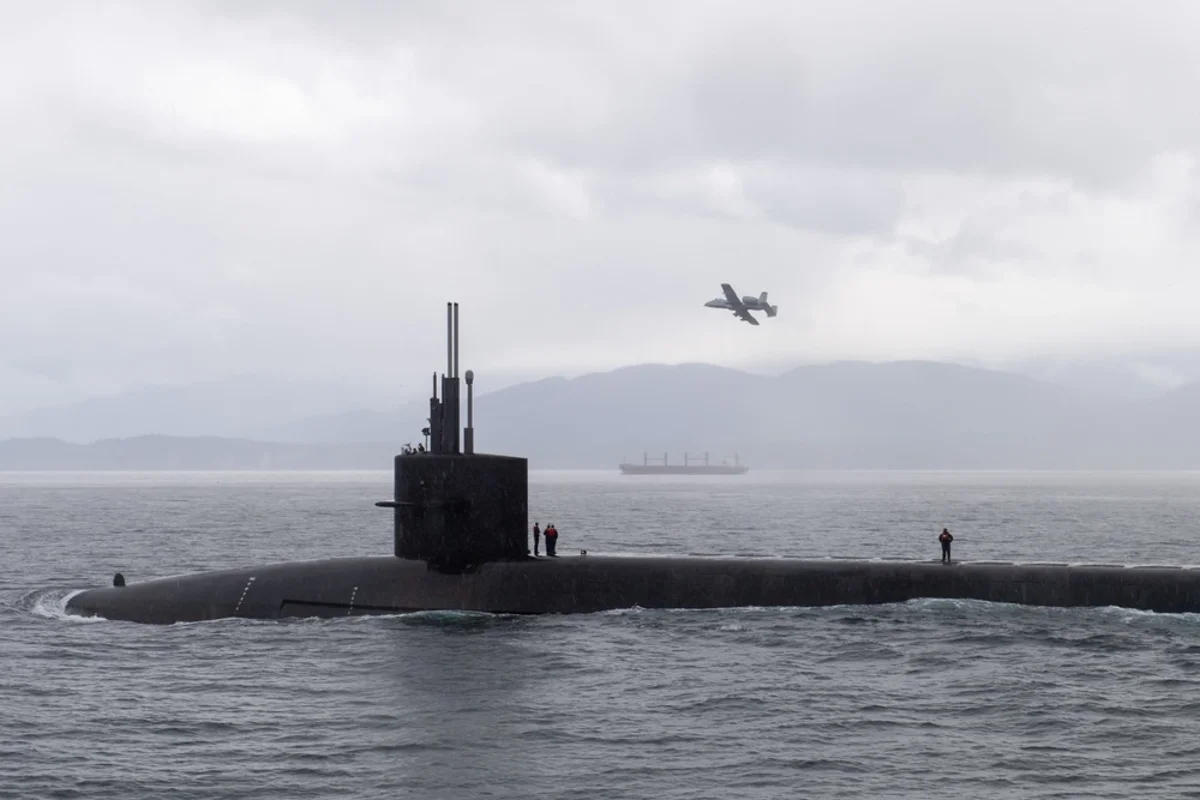
You think of a nuclear submarine as a high-tech fortress. It is a vessel powered by an atomic reactor, designed to hide in the deep ocean for months. But a recent toxic exposure incident at Naval Base Kitsap-Bangor reminds us that the most dangerous threats aren't always enemy torpedoes or reactor meltdowns. Sometimes, it's just basic mechanics.
On June 22, 2026, 64 U.S. Navy sailors were sickened aboard the Ohio-class ballistic missile submarine USS Nebraska. The culprit? A backup diesel generator malfunction that flooded parts of the boat with toxic exhaust fumes during a routine pier shift.
The Navy confirmed that crews were running the submarine’s secondary diesel engine when the poisoning occurred. The incident sent 64 service members to medical centers suffering from classic, acute carbon monoxide and diesel inhalation symptoms: coughing, pounding headaches, dizziness, nausea, and severe eye and throat irritation. While 58 of those sailors were treated and released quickly, six required hospital admission for more intense medical observation before finally being cleared.
What Really Happens When a Sub Ventilation System Fails
Submariners live in a sealed tube where breathing is entirely dependent on mechanical systems. When a diesel generator malfunctions or an exhaust lineup goes wrong while a boat is moored, things go south fast.
The USS Nebraska is a massive 560-foot-long deterrent platform. Normally, its nuclear reactor handles everything. But during pier shifts or maintenance transitions, the crew relies on backup diesel generators. These diesels require massive amounts of air intake and need to exhaust safely away from open hatches.
If you talk to any veteran submariner, they will tell you exactly what likely went wrong here. It is a classic "stack huffing" or intake recirculation scenario. When a sub is sitting at the pier and running its auxiliary diesel, the exhaust leaves the boat through the sail. If the wind shifts, or if an operations compartment hatch right behind the sail is left open, the boat can literally suck its own deadly exhaust fumes back down into the living and working spaces.
The results are immediate and brutal.
- The Air Turns Acrid: Diesel exhaust contains a cocktail of carbon monoxide, nitrogen oxides, and unburnt hydrocarbons.
- The Symptoms Hit Globally: Sixty-four people getting sick all at once means the fumes traveled rapidly through the localized ventilation loop.
- The Emergency Response: The crew had to evacuate non-essential personnel, don emergency breathing apparatuses, log the casualty, and rapidly ventilate the interior spaces before returning to normal operations.
The Navy was quick to point out that the ship’s nuclear reactor was completely undisturbed and entirely unrelated to the glitch. That's fine, but it misses the point. The real danger here wasn't a nuclear disaster; it was the immediate threat of mass asphyxiation or long-term toxic damage to the crew.
The Long Term Risk for the Crew
While the media focuses on the immediate drama of six hospitalized sailors, anyone who understands military medicine knows the real fight happens later. Acute diesel exhaust inhalation isn't something you just sleep off.
The World Health Organization’s International Agency for Research on Cancer classifies diesel engine exhaust as a Group 1 carcinogen. This puts it in the same risk category as asbestos and tobacco smoke. Breathing in concentrated fumes in an enclosed steel environment causes immediate pulmonary inflammation. For the 64 sailors onboard, this means weeks of monitoring for chemical pneumonitis—basically a chemical burn inside the lungs.
Furthermore, military personnel regularly struggle to get these types of toxic exposures properly documented in their service records. Years down the road, if a sailor develops chronic respiratory issues or lung cancer, the Department of Veterans Affairs often claims the condition isn't service-connected. For the crew of the USS Nebraska, ensuring this specific event is explicitly noted in their electronic health records is critical.
The Strategic Cost of Minor Maintenance Failures
This isn't just a localized workplace safety issue. It has geopolitical ripples.
The USS Nebraska is one of only eight Ohio-class ballistic missile submarines stationed at Naval Base Kitsap-Bangor. These boats form the most survivable leg of America's nuclear triad. They are heavily deployed assets; the Nebraska itself was used in strategic U.S. military strikes against Iranian targets during Operation Midnight Hammer back in June 2025.
When a generator glitch sickens nearly half a duty section, it temporarily sidelines a vital strategic asset. If this exact exhaust failure had occurred while the sub was operating under the ice or deeply submerged during a stealth patrol, the outcome could have been catastrophic. A crew incapacitated by carbon monoxide cannot fight fires, drive the boat, or operate the systems.
The Navy says it is currently investigating the precise cause of the malfunction and will take corrective action. Whether it was mechanical failure of an exhaust valve or a human error in the valve lineup remains to be seen. But it serves as a stark reminder that inside a submarine, the air you breathe is always a vulnerability.
If you are a veteran or active-duty service member who has experienced a similar shipboard toxic exposure, do not wait for symptoms to worsen. Ensure your medical department logs the exposure code immediately, retain copies of your post-incident evaluations, and report any lingering respiratory changes or persistent headaches to a medical professional right away.