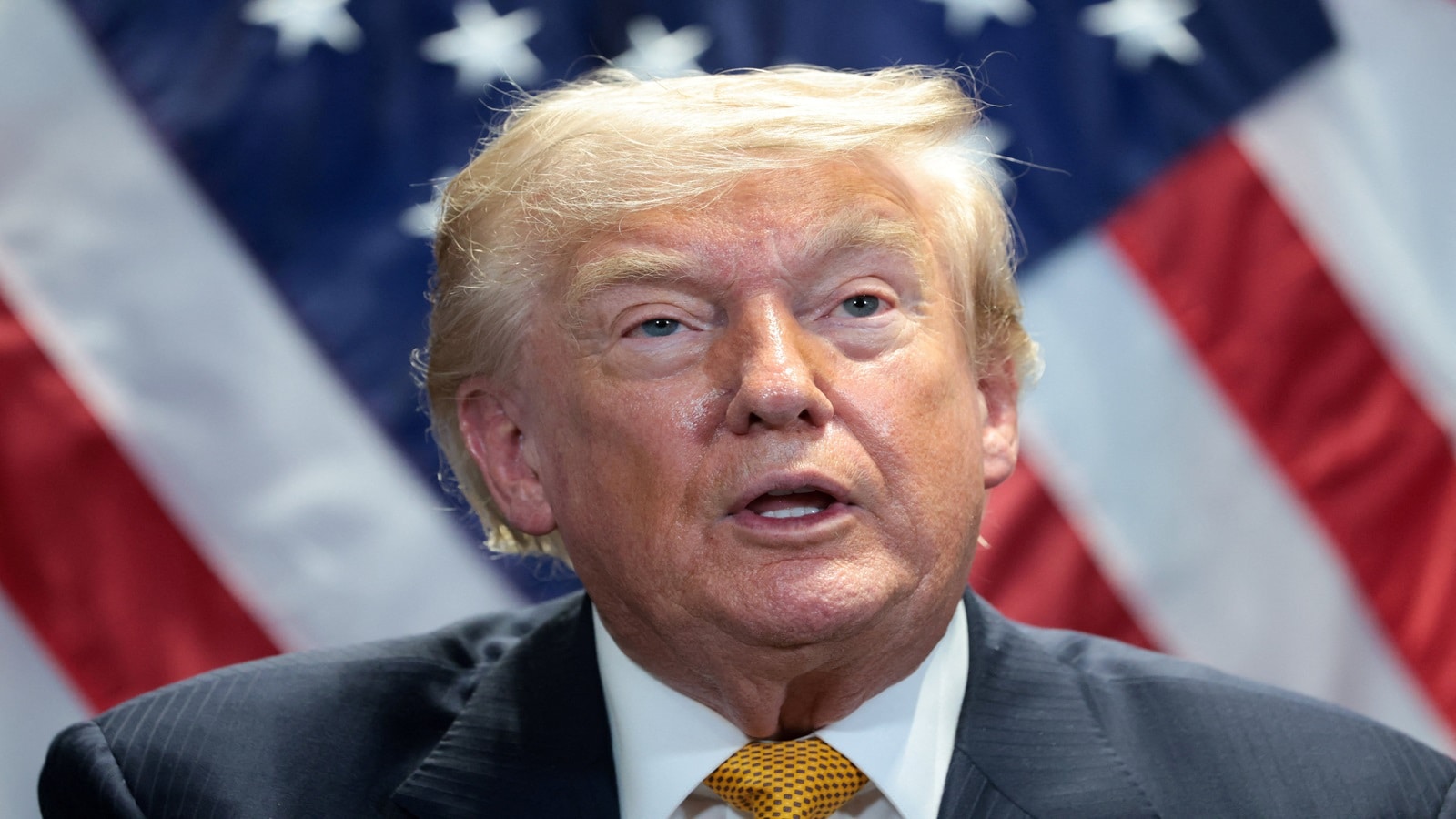
Donald Trump says he's close to deciding on a massive military attack against Iran. In a phone interview with Axios, Trump dropped a characteristic bombshell, stating he is considering strikes "bigger than ever before" and that his administration is "all set for it".
The declaration instantly rattled global markets, driving Brent crude oil prices right past $100 a barrel. Yet behind the typical White House posturing lies a dangerous strategic knot that goes far beyond simple headlines.
The Reality Behind the New Escalation
Trump’s latest remarks follow months of back-and-forth military actions between Washington and Tehran. Operation Epic Fury previously targeted Iranian infrastructure, but the White House is now signaling that those strikes were merely a preview.
"I am considering a massive attack. Bigger than ever before. I am close to making a decision. We are all set for it," Trump told Axios.
While two anonymous US officials confirmed that no formal combat orders have been issued to troops yet, military planners have already laid out target packages.
The military threat isn't happening in a vacuum. It directly responds to two shifting dynamics on the ground:
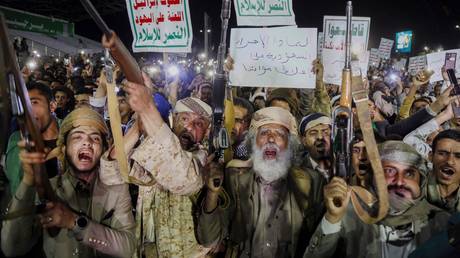
- Red Sea Shipping Blockades: Iran-backed Houthi forces recently launched attacks against commercial vessels and oil tankers in key maritime corridors like the Red Sea and the Bab el-Mandeb strait.
- Failed Mediation: Third-party diplomatic attempts brokered through regional intermediaries have effectively stalled. Trump bluntly summarized the standoff by remarking that Iranian leaders "haven't received enough pain yet" to sign a deal.
           [US & Allied Forces]
                     │
         (Deterrence & Sanctions)
                     ▼
           [Strait of Hormuz / Red Sea]
                     ▲
          (Maritime Proxy Attacks)
                     │
           [Iran & Proxy Forces]
Energy Markets and Economic Fallouts
Markets don't wait for bombs to fall before reacting. The moment news broke of potential strikes exceeding past operations, energy markets spiked.
Crude topping $100 isn't just a number on a trading floor—it translates immediately into higher gas prices, increased shipping costs, and renewed domestic inflation pressures across the globe.
┌───────────────────────────────┬─────────────────────────────────────────┐
│ Market Vector                 │ Direct Real-World Impact                │
├───────────────────────────────┼─────────────────────────────────────────┤
│ Brent Crude Futures           │ Surpassed $100/barrel benchmark         │
│ Maritime Freight Rates        │ Skyrocketed due to Red Sea risk         │
│ Supply Chain Risk             │ Threat of Hormuz choke-point disruption │
└───────────────────────────────┴─────────────────────────────────────────┘
The administration faces a self-created dilemma. Trump threatened to destroy an Iranian power plant or bridge every time a ship gets fired upon in regional waters. But every strike risks triggering an Iranian response against Gulf energy infrastructure, which pushes global oil prices even higher—hurting Western consumers right when domestic political pressure is at its peak.
What Gets Missed in the Headlines
Mainstream reporting often treats these presidential statements as isolated security updates. That misses the bigger picture entirely.
1. Israel's Role vs. American Solitary Action
Trump explicitly noted that Israel "would join in two minutes if I ask them to," while quickly adding, "we don't need anybody". He also admitted there would be direct "consequences" for Israel if it participates, referring to inevitable Iranian missile counter-strikes. This reveals an intentional strategy: holding Israeli involvement as leverage while attempting to keep the primary confrontation strictly bilateral between Washington and Tehran.
2. The Escalation Trap
By continually threatening "massive military punishment," the White House limits its own exit ramps. If Tehran refuses to back down on proxy attacks in international shipping lanes, Washington feels compelled to launch larger attacks to maintain credibility. But larger attacks invite broader asymmetric responses—ranging from drone threats near shipping lanes to regional proxy strikes—trapping both sides in a escalating cycle neither can easily exit.
3. Domestic Legislative Pushback
The foreign policy posturing is hitting serious domestic friction. The US House of Representatives recently passed a resolution seeking to curb unauthorized military action against Iran. With midterms approaching and public support for open-ended Middle Eastern conflicts staying low, the clock is ticking on how long a high-stakes brinkmanship strategy can be sustained domestically.
Immediate Next Steps to Watch
Watch three specific indicators to understand where this situation is headed:
- Pentagon Force Movement: Track whether additional carrier strike groups or heavy bomber deployments move toward US Central Command bases. Off-the-cuff statements mean little until logistics and assets align.
- Hormuz and Red Sea Shipping Traffic: Watch commercial shipping rerouting patterns. If major maritime carriers begin universally bypassing regional straits for longer oceanic routes, expect global inflation metrics to jump further.
- Diplomatic Cables from Regional Mediators: Pay close attention to messaging coming out of regional diplomatic hubs like Oman or Pakistan. Any subtle shift in Iranian counter-proposals will signal whether Tehran views the White House threats as actionable military reality or political leverage.